Carlo Antonio Buffagnotti
Carlo Antonio Buffagnotti was a highly specialized Italian artist of the late-Baroque period, active primarily between 1660 and 1690 in the cultural centers of Bologna and Genoa. His reputation rests overwhelmingly on his expertise as a painter of architectural perspective, or quadratura, and his sophisticated designs for theatrical decoration. Working during a pivotal era for Italian stagecraft, Buffagnotti was integral to developing the dramatic illusionism that characterized the spectacular opera houses of the late seventeenth century, where stage mechanics and visual deception were inseparable.
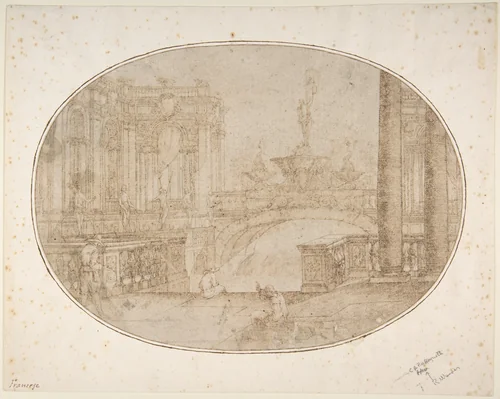
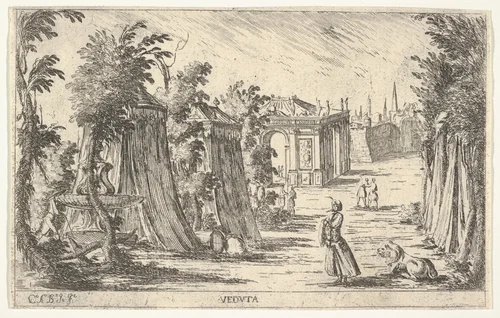
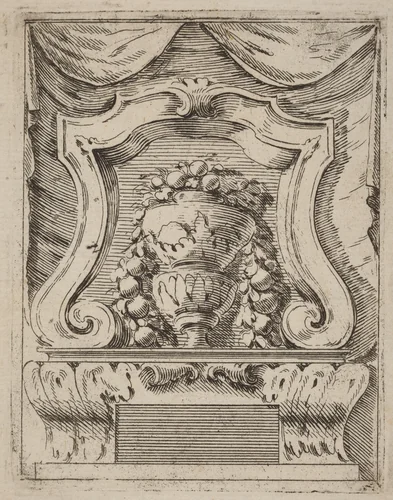
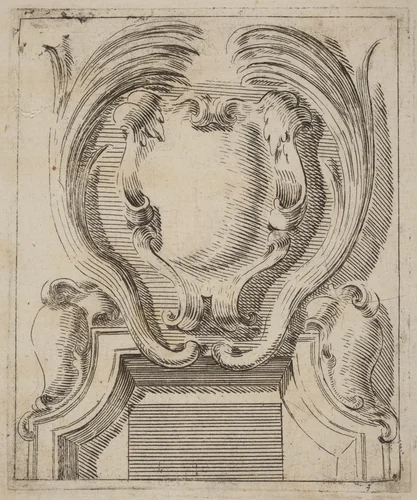
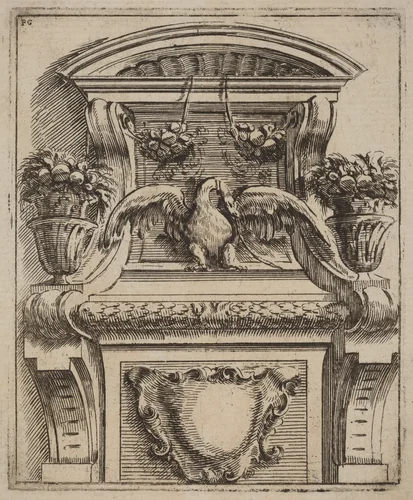
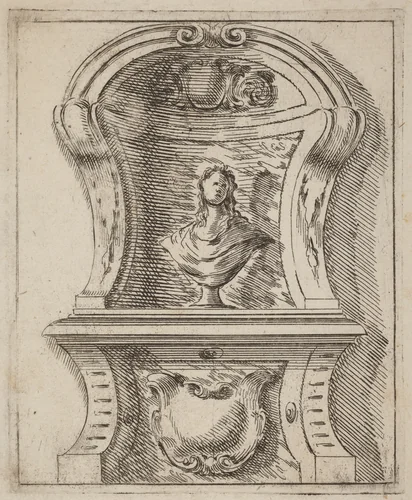
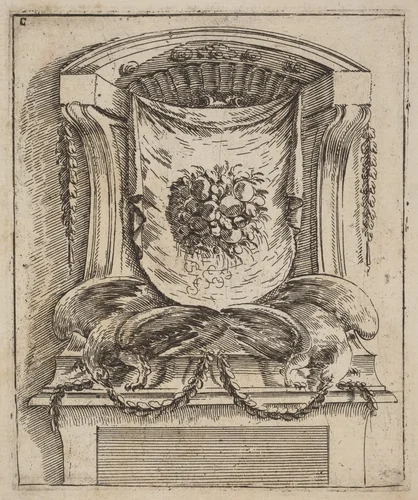
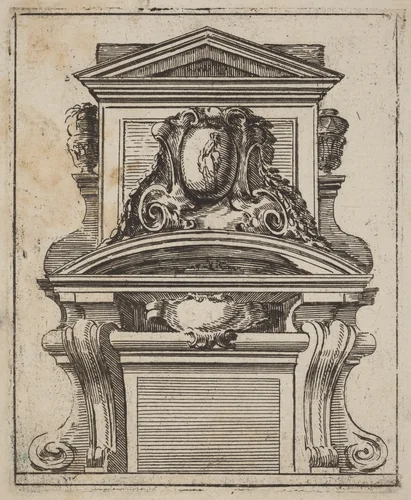
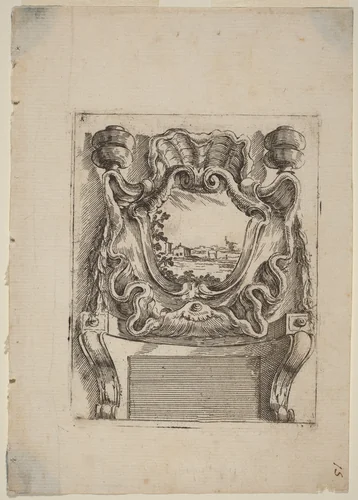
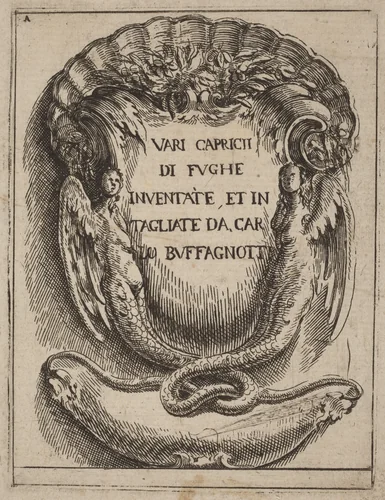
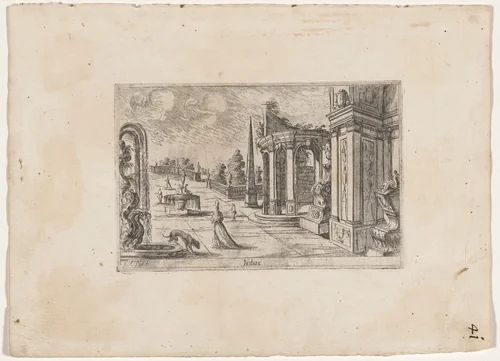
While records confirm his activity as a painter, Buffagnotti’s enduring contribution lies in his engraved works, which served as vital blueprints for designers across Europe. He frequently translated the complex, dynamic concepts of his contemporaries into reproducible formats, ensuring wider distribution of cutting-edge Baroque design principles. Notably, he engraved key series after the celebrated architectural fantasies of Francesco Galli Bibiena and the detailed figural compositions of Marcantonio Chiarini. These Carlo Antonio Buffagnotti prints reveal an exceptional understanding of scale and visual depth, as demonstrated in works such as Architectural Perspective for a Stage Set with a Bridge, Statues and a Fountain in the Background and Human Figures in the Foreground. Today, these high-quality prints are frequently found in the public domain, making them essential study tools for the history of stage design.
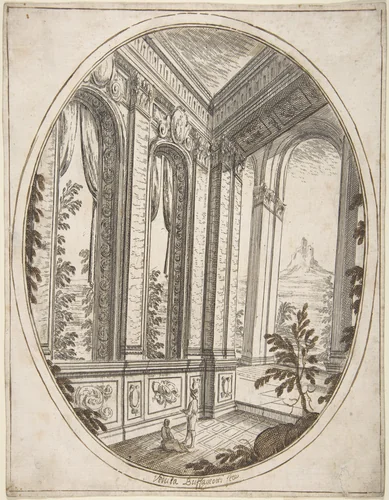
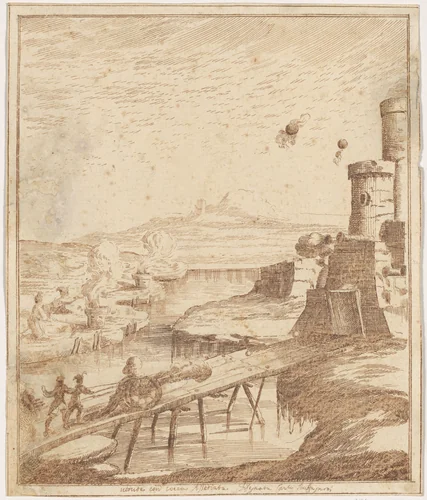
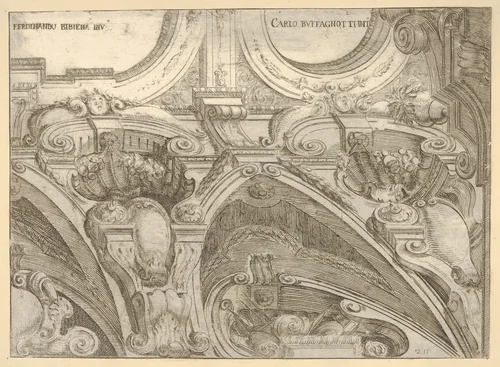
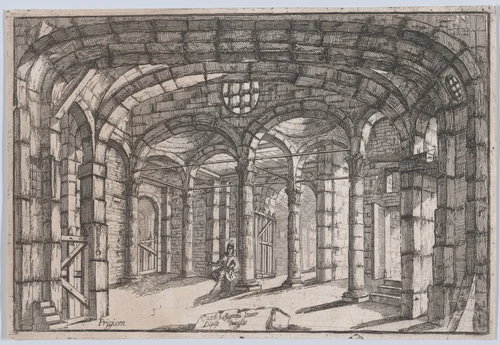
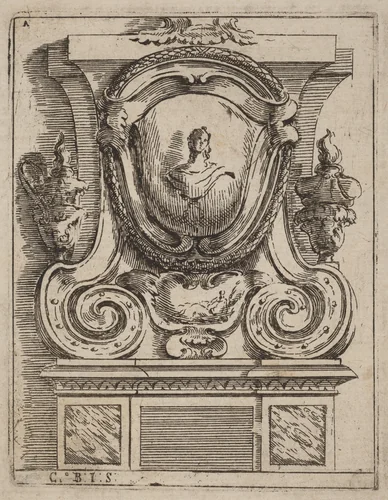
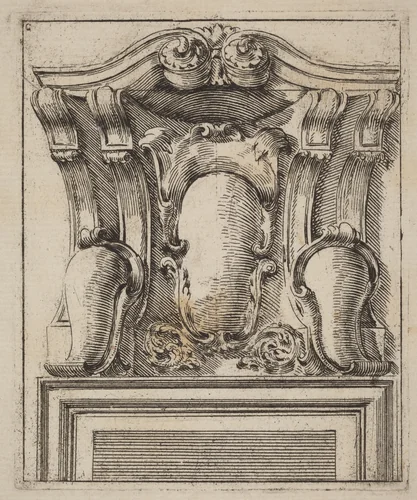
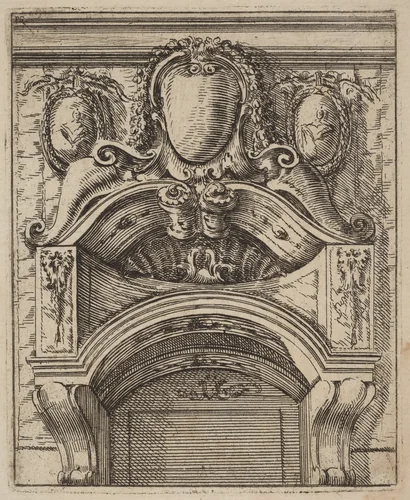
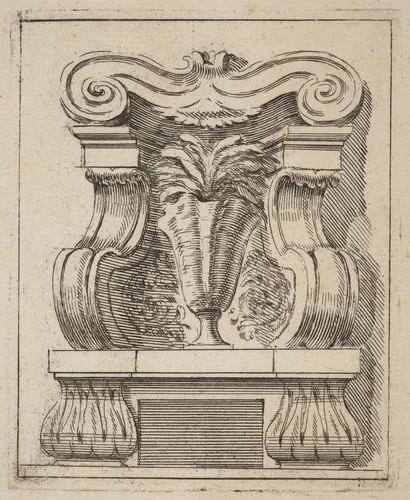
Buffagnotti’s focused output of eleven known prints and four surviving drawings is a concise demonstration of his technical range. He excelled equally at rendering grand, open vistas, like the martial scene in The Siege of a Fortress, and tightly focused architectural studies, such as the dramatic Architectural detail of an elaborate cornice, seen from below. His specialized drawings show how effectively the techniques of quadratura could be applied to create intense psychological environments, even the psychological gloom suggested by Interior of a prison in which sits a woman (possibly a theatre set). That the magnificent vocabulary of the Baroque stage was used even to articulate moments of confinement serves as a subtle reminder that for 17th-century audiences, all life was potentially a stage. His works are preserved in major institutional holdings, including the Metropolitan Museum of Art and the National Gallery of Art, confirming his status as an essential figure in the history of Italian graphic design.
Source: Wikipedia · CC BY-SA 4.0