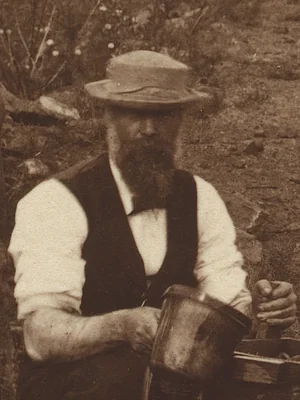
Carleton Watkins
Carleton E. Watkins (1829-1916) stands as a foundational figure in 19th-century American photography, establishing the visual vocabulary for the continent’s most dramatic topography. A native of New York, his artistic destiny was inexorably linked to the American West. Following his move to California, Watkins quickly shifted his focus from the commercial demands of studio work to the ambitious challenge of chronicling the burgeoning landscape. This intensive period, roughly 1855 through 1861, saw him develop the technical mastery required to translate the monumental scale of the Pacific Coast into compelling, permanent imagery.
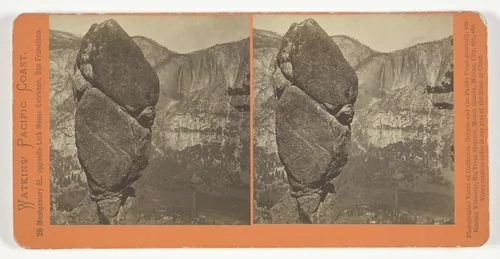
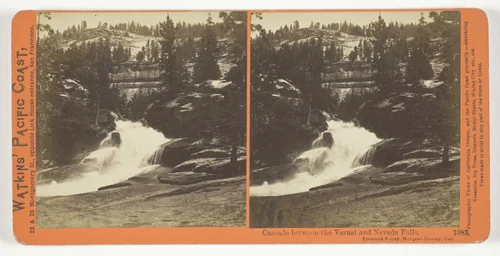
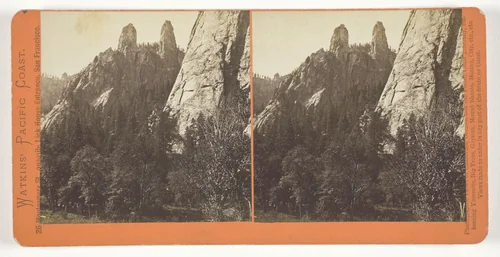
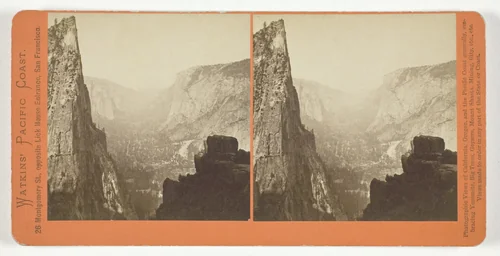
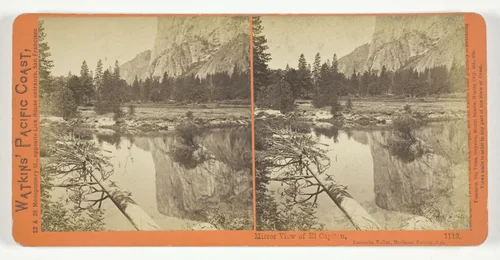
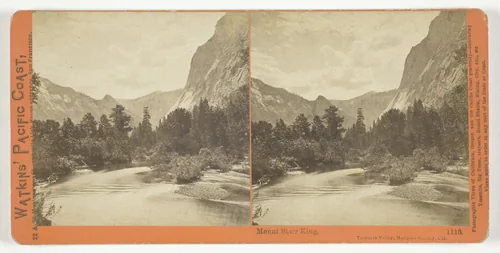
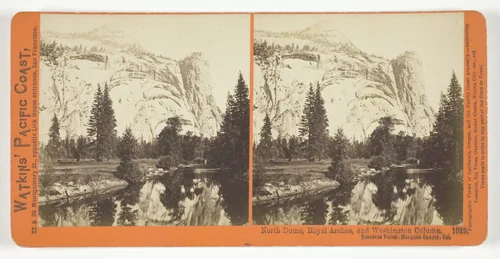
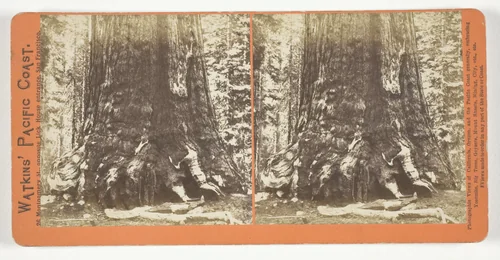
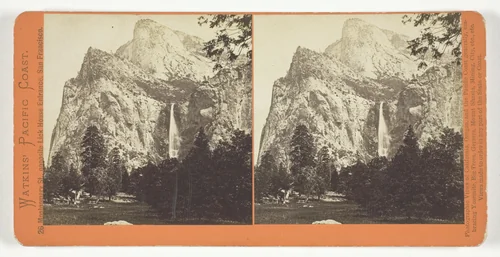
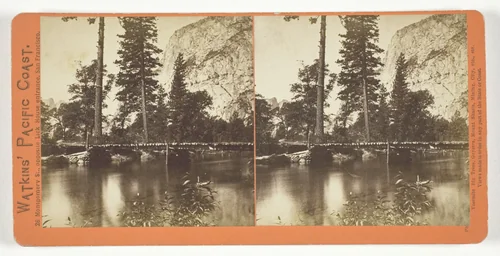
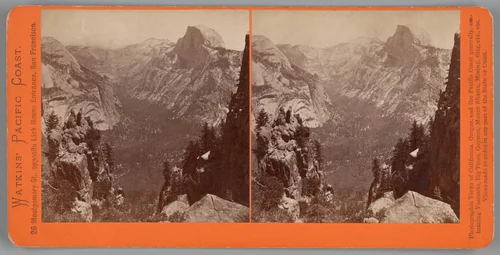
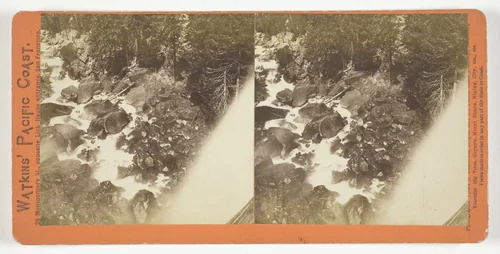
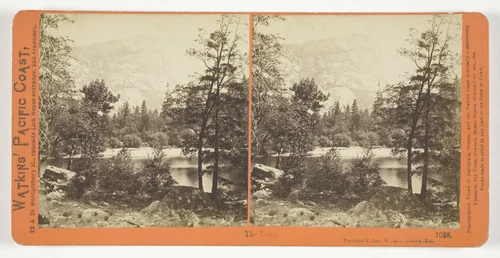
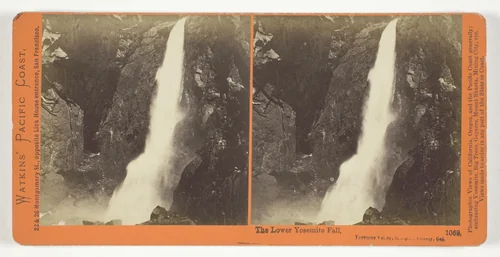
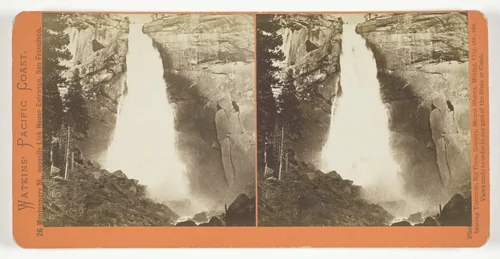
Watkins concentrated his efforts overwhelmingly on landscape photography, making the Yosemite Valley his ultimate subject. Unlike many contemporaries, his goal was not merely picturesque documentation but an immersive evocation of the sublime. Works like Cascade Between the Vernal and the Nevada Falls, Yosemite Valley, Mariposa County, Cal., No. 1083 and his powerful depiction of the Agassiz Column from Glacier Point Trail, Yosemite demonstrate his meticulous use of the large-format mammoth plate process. To capture these pristine, yet remote, locations often required transporting hundreds of pounds of cumbersome equipment, fragile glass negatives, and chemicals deep into the wilderness, a logistical feat that makes modern location shooting look like a casual outing.
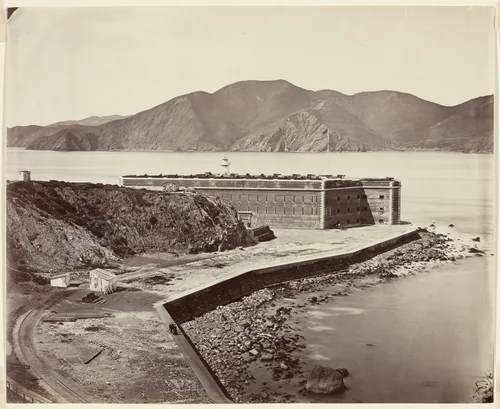
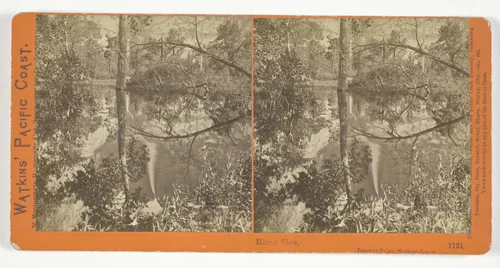
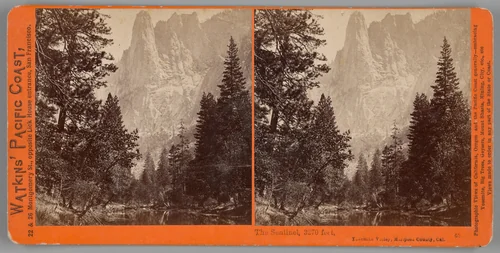
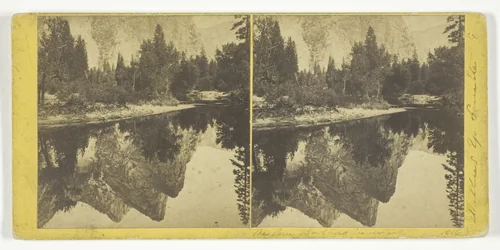
The resulting visual portfolio carried weight far beyond the aesthetic. Watkins’ striking high-quality prints provided influential evidence to policymakers on the East Coast regarding the necessity of preservation. His photographic record of the valley directly influenced the United States Congress’ 1864 decision to set aside Yosemite, an action that laid the groundwork for the modern National Park system. Today, these seminal views, including his perspective on San Francisco Bay and various plates from the "Watkins' Pacific Coast" series, remain central to the history of the medium. Many of these historically significant Carleton Watkins prints are now considered public domain resources, ensuring their continued accessibility as downloadable artwork for researchers, historians, and collectors worldwide.
Source: Wikipedia · CC BY-SA 4.0