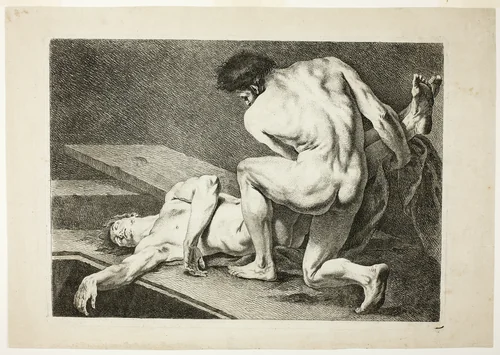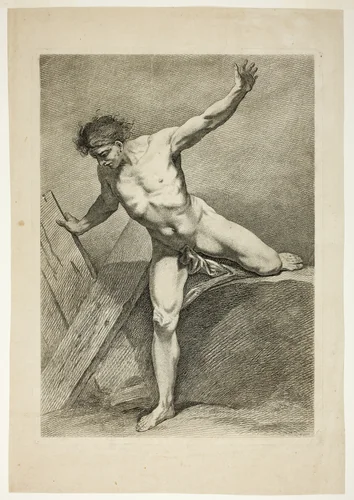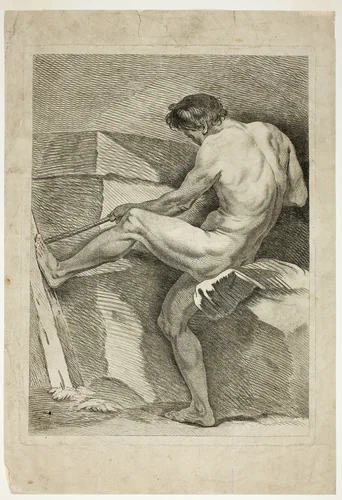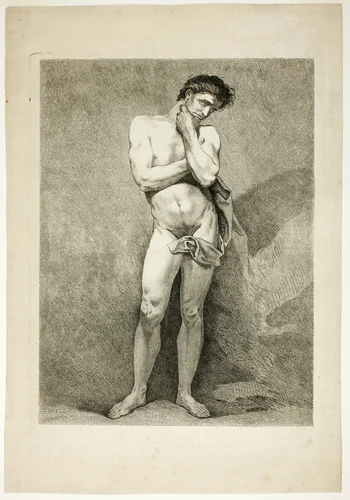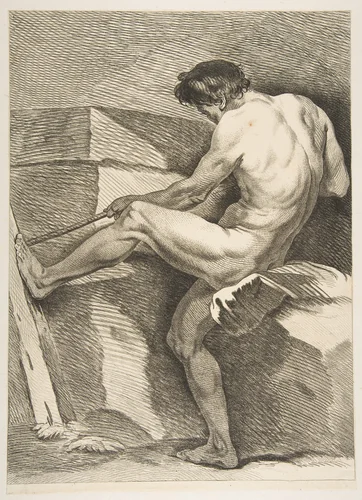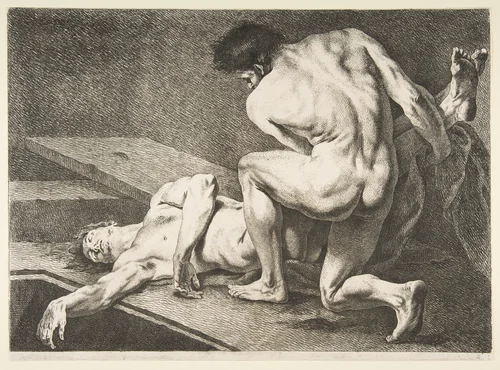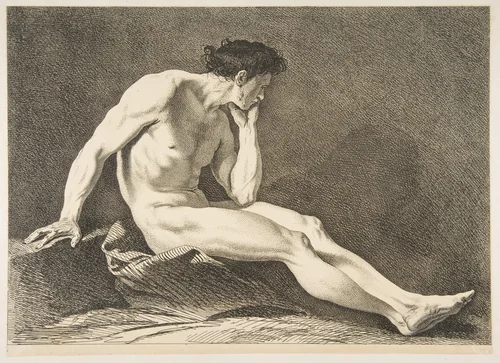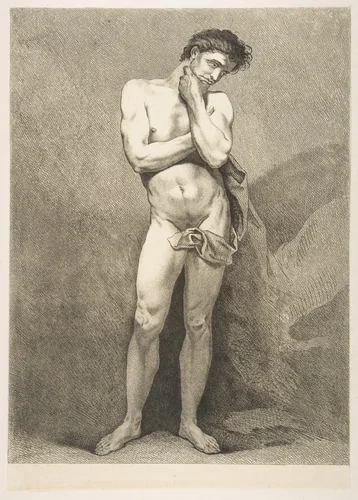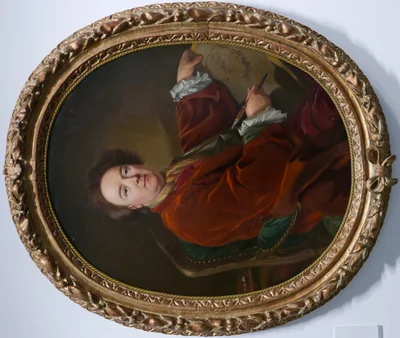
Carle Vanloo
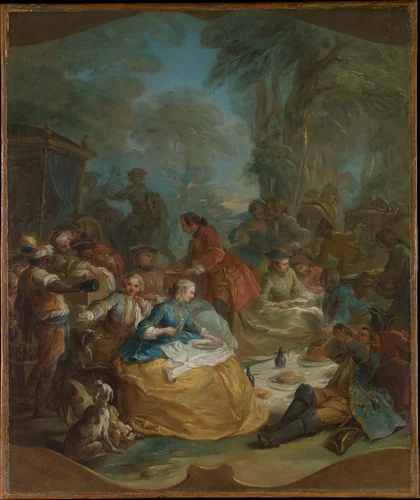
Carle Vanloo (1705–1765), christened Charles-André van Loo, was the undisputed artistic powerhouse of the French court during the mid-eighteenth century. As the most celebrated member of a successful dynasty of painters originating in the Netherlands, Vanloo successfully leveraged his lineage, training, and strategic acumen to achieve the highest possible honors, including the title of Premier Peintre du Roi (First Painter to the King). His significance rests not on a singular innovation, but on his unparalleled versatility: he mastered every major pictorial category demanded by the era, encompassing history painting, religious devotion, complex mythological narratives, formal portraiture, allegory, and genre scenes.
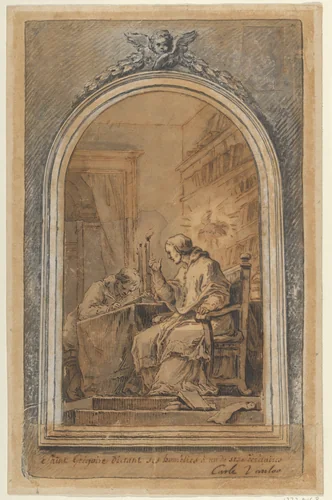
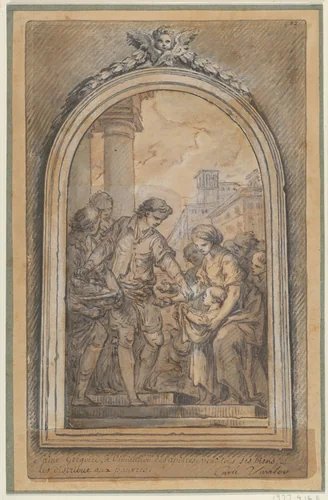
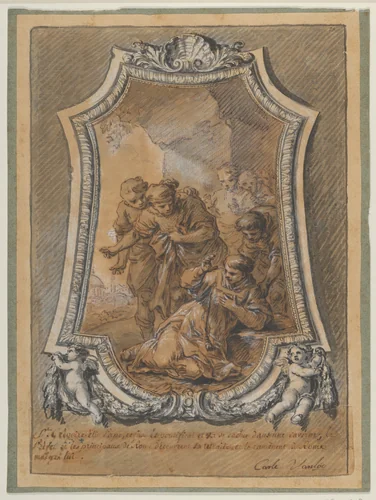
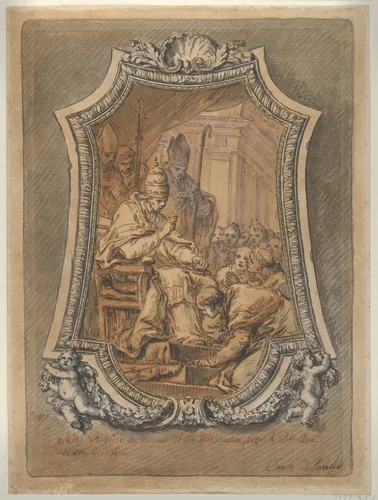
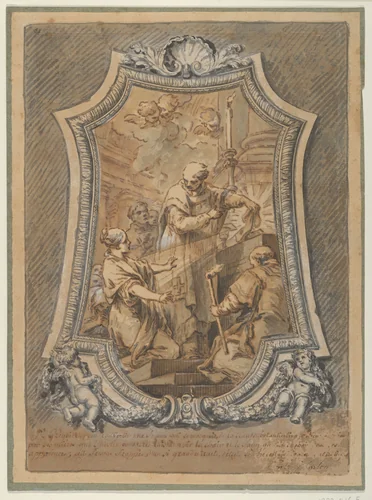
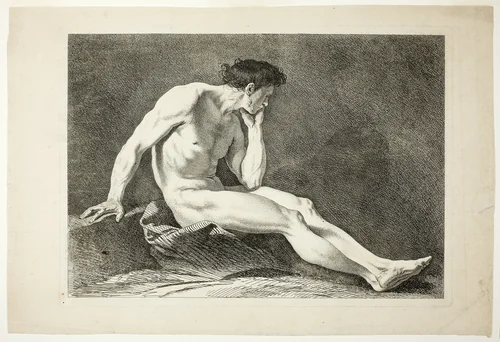
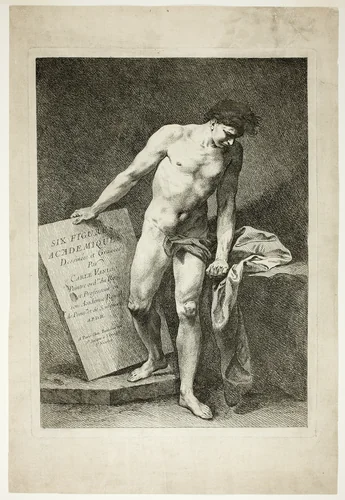
Vanloo’s comprehensive technical command allowed him to navigate the evolving tastes of the Academy effortlessly. This mastery is evident in commissioned religious cycles, such as the ambitious series charting the life of Pope Gregory I. Preparatory sketches and prints for these works, including the dramatic staging seen in St. Gregory Reluctant to Accept His Election as Bishop of Rome and the compositional balance achieved in St. Gregory Distributing His Worldly Goods to the Poor, demonstrate his dedication to narrative clarity and historical weight. His consistent adherence to academic standards ensured that his output, while sometimes judged by later critics as merely highly competent rather than revolutionary, perfectly defined the prevailing aesthetic of the transition from late Rococo to early Neoclassicism.
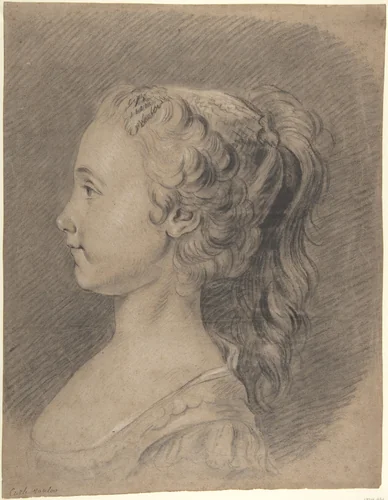
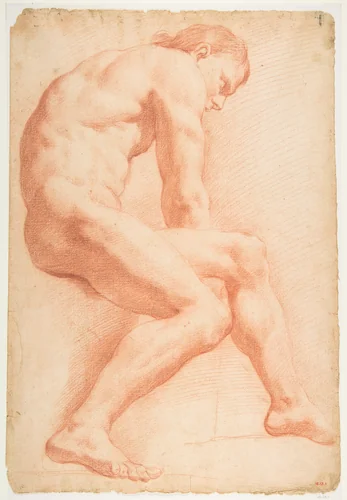
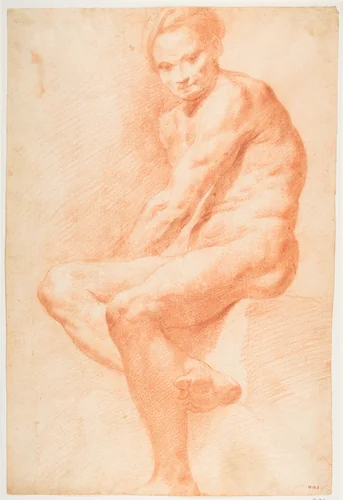
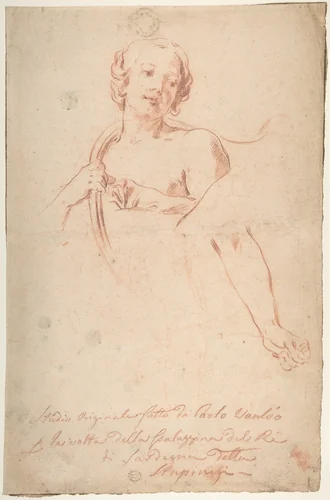
This remarkable efficiency and stylistic consistency made him indispensable to the royal administration, a distinction perhaps more valuable in the official art world than sporadic flashes of genius. Today, the continued interest in his output is sustained by major institutional collections worldwide, including the Metropolitan Museum of Art and the Art Institute of Chicago, which preserve his drawings and studies. Viewers can now access museum-quality representations of works like Bust of a Young Girl, Profile to Left through vast digitized collections. The widespread availability of Carle Vanloo prints and downloadable artwork ensures that the refined classicism of his approach remains accessible, providing a crucial reference point for understanding eighteenth-century French official art.
Source: Wikipedia · CC BY-SA 4.0