Carl Otto Czeschka
Carl Otto Czeschka was an Austrian painter and graphic designer whose distinctive output helped define the sophisticated visual language of Viennese modernism during the fin de siècle. Fundamentally associated with the collective of designers and artisans known as the Wiener Werkstätte, Czeschka’s work demonstrated a rare fusion of meticulous craftsmanship and stylized, often geometric, ornamentation. His career, active primarily between 1898 and 1920, saw him apply his rigorous design principles across disciplines, moving effortlessly between fine art and commercial application.
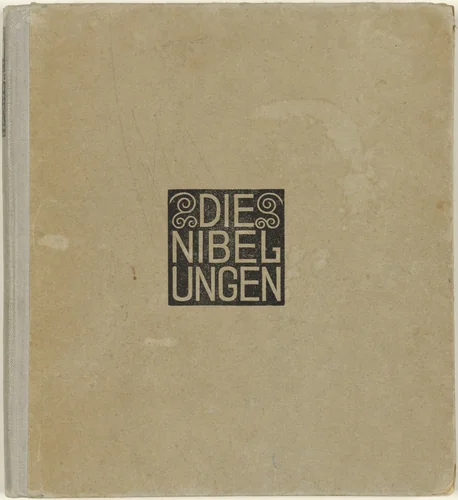
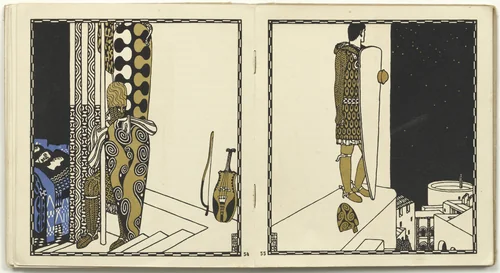
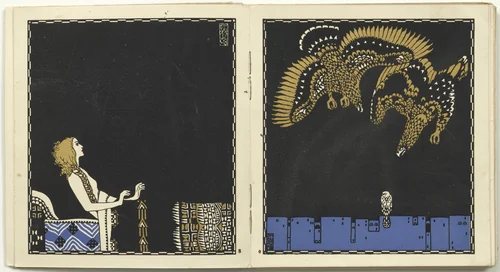
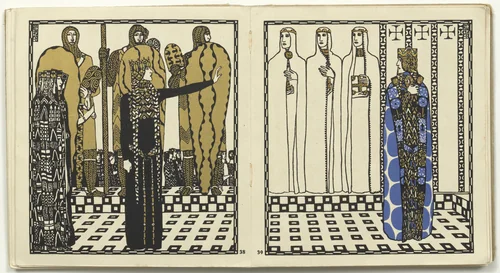
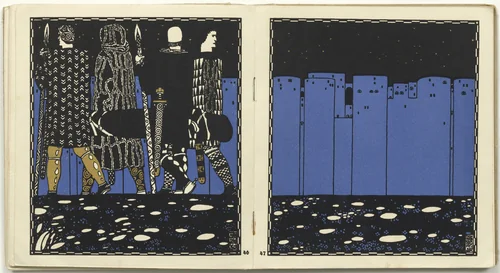
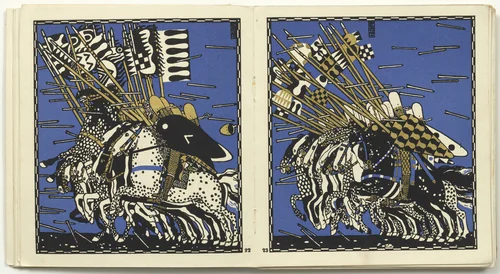
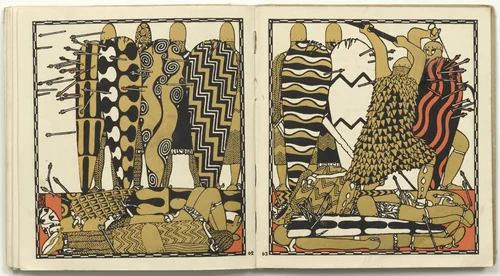
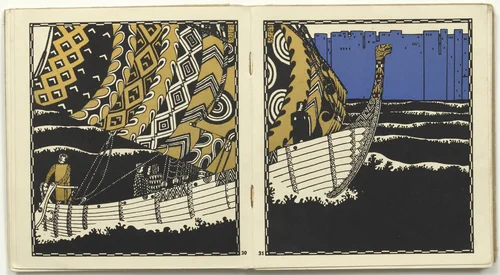
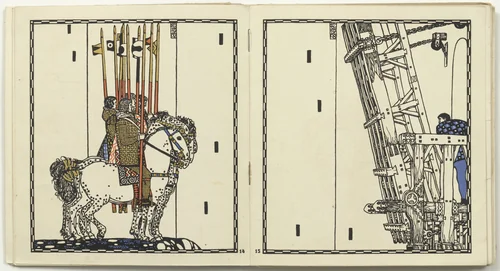
Czeschka established his legacy strongest in the applied graphic arts, particularly through his mastery of the illustrated book. He produced eleven volumes noted for their aesthetic coherence, where typography, illustration, and binding design formed a powerful, unified whole. The high integration of text and image was characteristic of the progressive ideals championed by the Wiener Werkstätte, asserting that elevated artistry should infuse the practical objects of daily life.
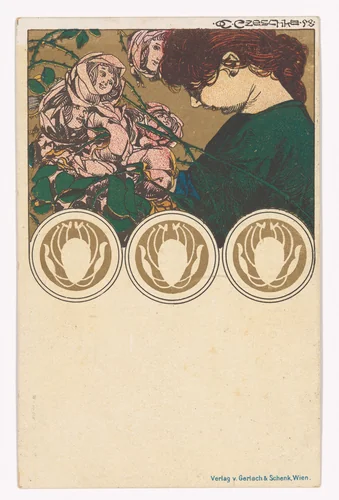
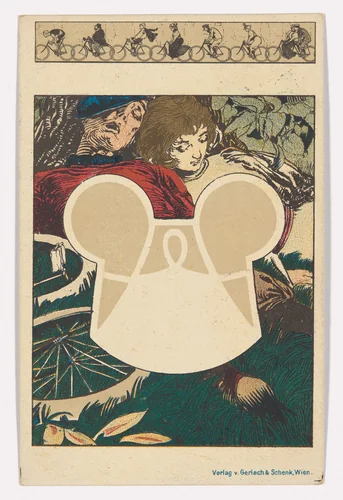
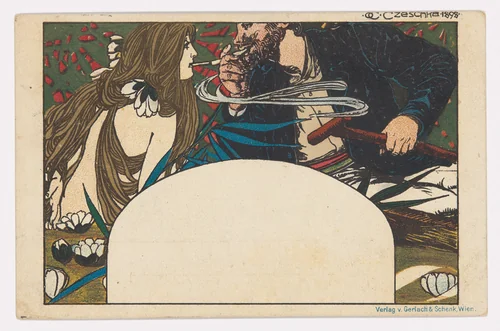
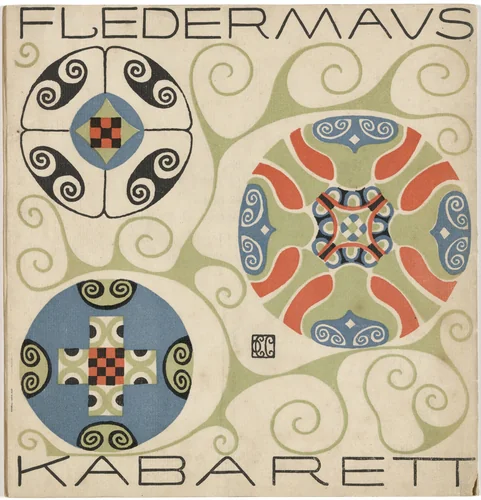
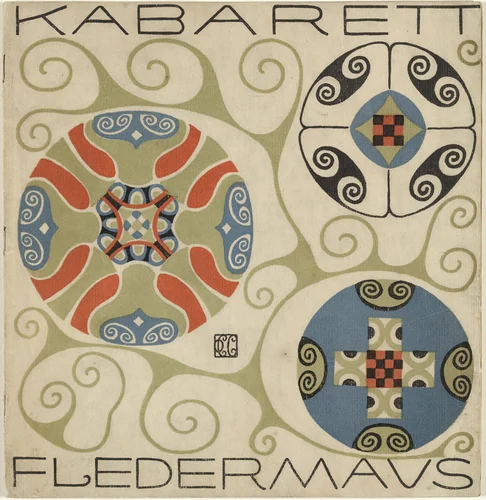
Perhaps his most widely circulated and recognizable contributions to Viennese cultural life, however, were his series of designs for the infamous Kabarett Fledermaus. The program covers and promotional postcards, including the striking, almost heraldic back and front designs, exemplify the theatrical and refined taste that the movement sought to popularize. Czeschka’s ability to move seamlessly between the severity of formal design and the frivolous, playful demands of a satirical cabaret demonstrates his singular adaptability, a trait crucial for designers in the nascent commercial landscape of early modernism.
His graphic works circulated widely, cementing his influence in both the decorative arts and early advertising. Collections like the Museum of Modern Art hold his pivotal works, ensuring their preservation for posterity. For researchers and collectors seeking Carl Otto Czeschka prints, the detailed graphic output, including numerous postcards and covers, is frequently studied. Much of this historical material is now in the public domain, offering the opportunity for institutions and private collectors alike to access high-quality prints of these seminal designs.
Source: Wikipedia · CC BY-SA 4.0