Carl Brenner
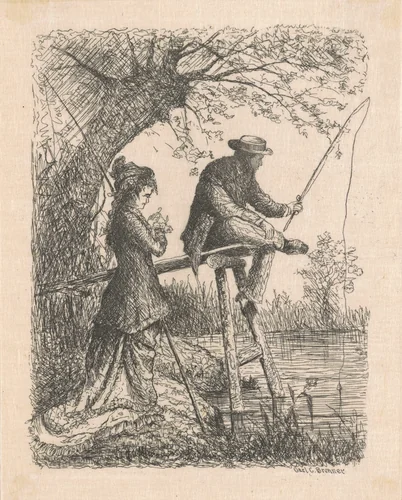
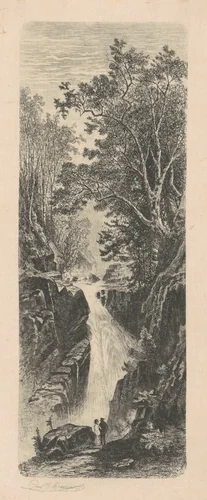
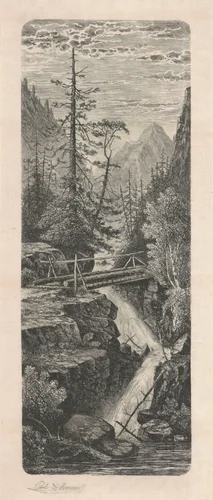
Carl Christian Brenner (active 1870-1880) was a German-born American artist whose concentrated output in the graphic arts provides a distinct, if compressed, view of late 19th-century American landscape aesthetics. Active entirely within a single, industrious decade, Brenner focused almost exclusively on prints, establishing a reputation defined by quiet natural studies rather than sweeping, grand panoramas.
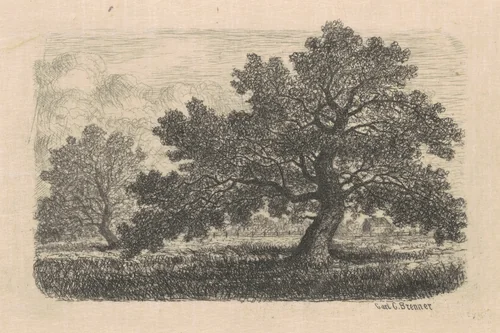
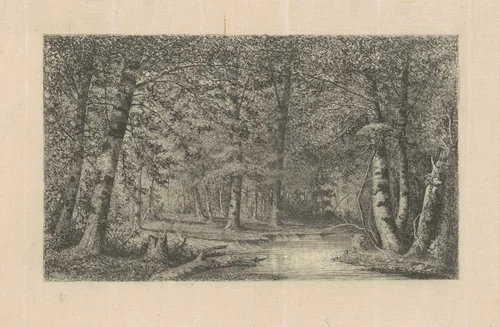
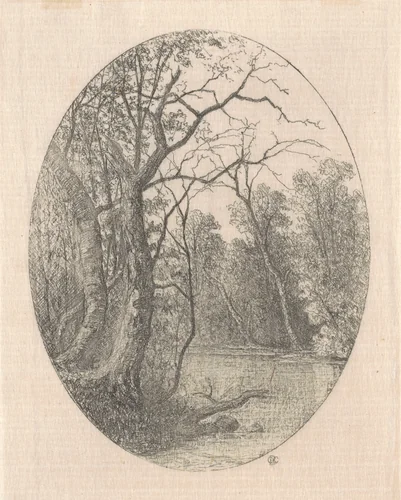
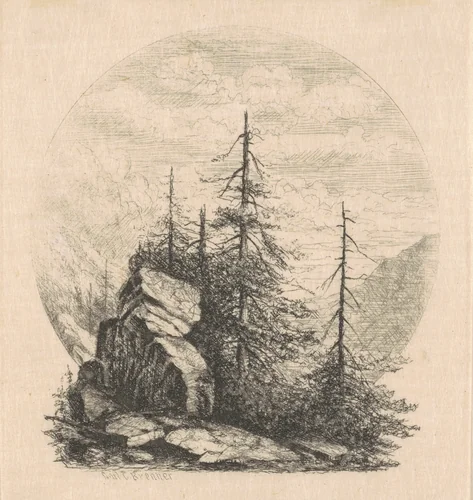
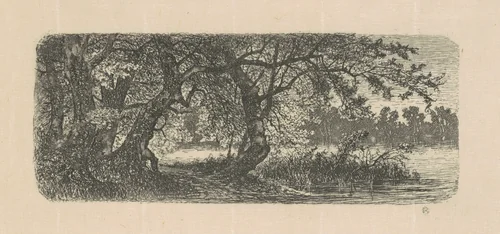
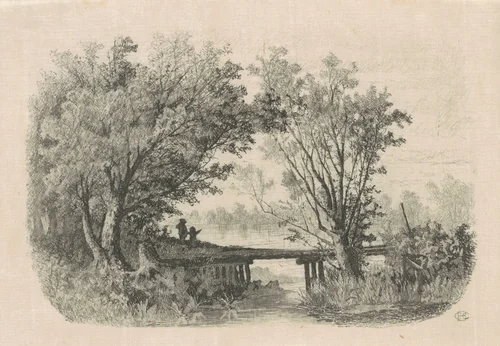
His surviving oeuvre, comprising roughly a dozen known works, relies heavily on etching and lithography. This choice of medium placed him in a transitional era when American printmaking was developing beyond illustration toward independent artistic expression. Brenner’s compositions moved away from the dramatic idealism characteristic of the preceding Hudson River School, opting instead for localized intimacy. Works such as Apple Trees and Beech Forest reveal a sensitive engagement with the texture of specific flora and the subtle interplay of light filtering through dense canopy.
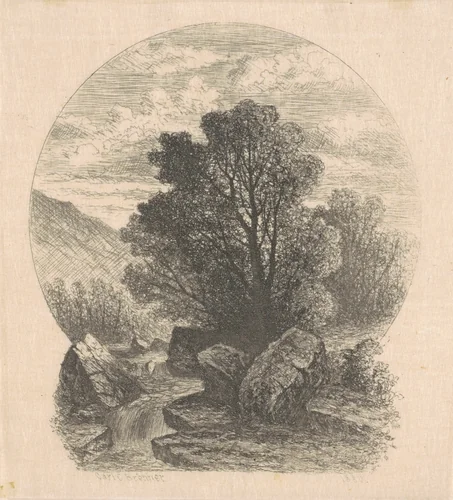
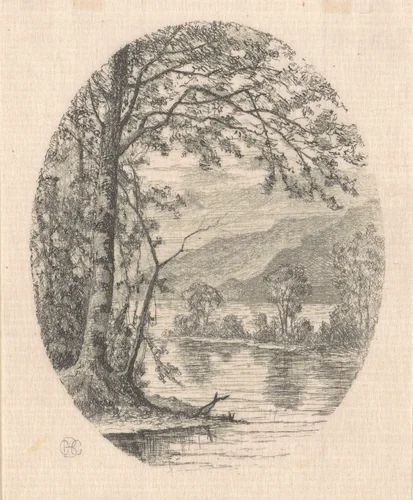
The emphasis on localized detail is underscored by the titles of his best-known pieces, including the highly evocative Little Cascade, On Green River, and On Laurel Creek. These titles suggest a commitment to capturing the essence of particular environmental features, aligning his practice with emerging regionalist tendencies in American landscape interpretation. His dedication to depicting the immediate environment with precision ensured that his output, while small, maintained a consistently high level of detail.
It is an interesting side note that, based on current records, Brenner’s entire professional life appears to have unfolded between 1870 and 1880, leaving behind a concise and coherent body of work. His technical skill allowed these scenes to survive as museum-quality documents of the era. Today, the enduring legacy of Carl Brenner prints is maintained by institutions like the National Gallery of Art, which holds examples of his work. Since these works are now firmly in the public domain, they allow broader accessibility to late 19th-century American printmaking, and are frequently appreciated as high-quality prints reflecting a brief but focused career.