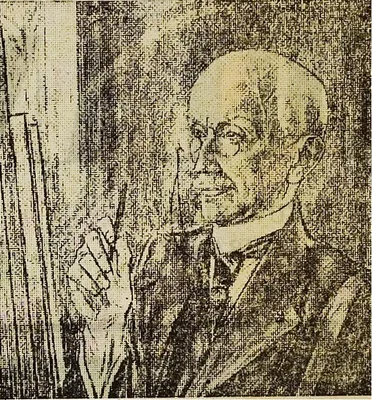
Carel Nicolaas Storm van 's-Gravesande
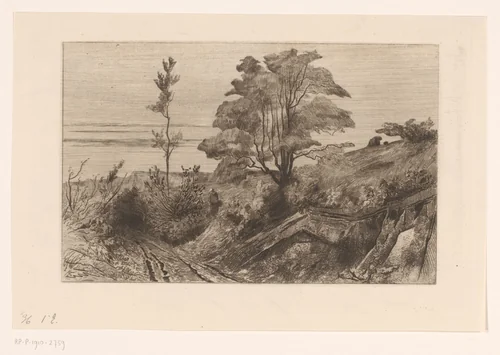
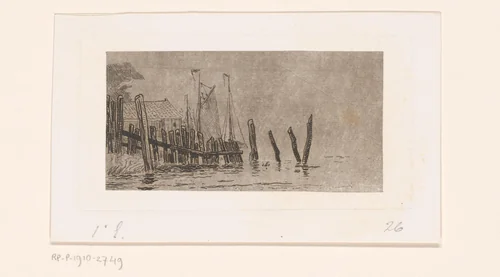
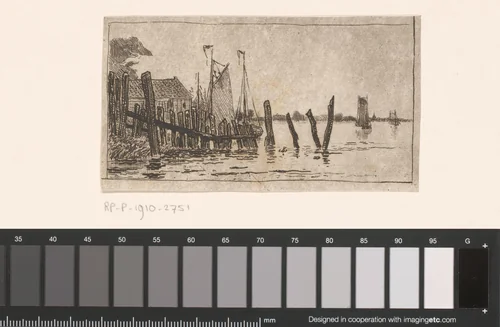
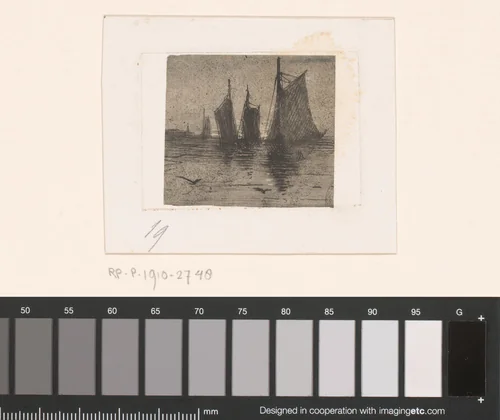
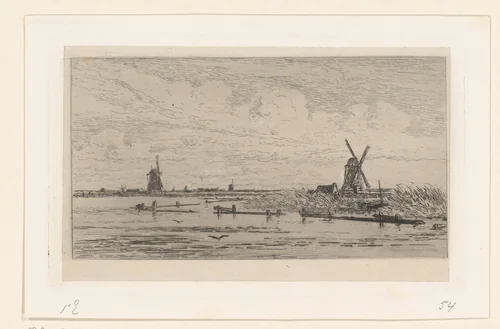
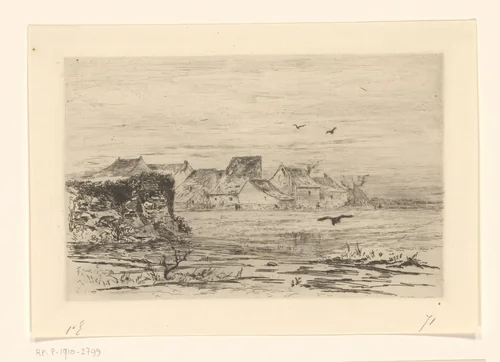
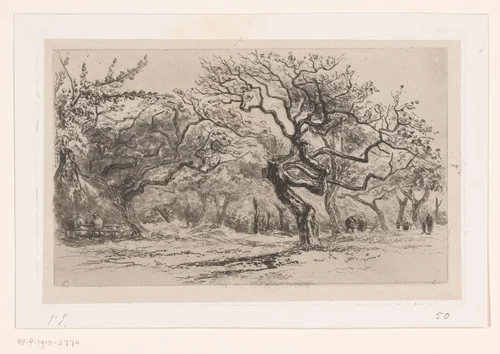
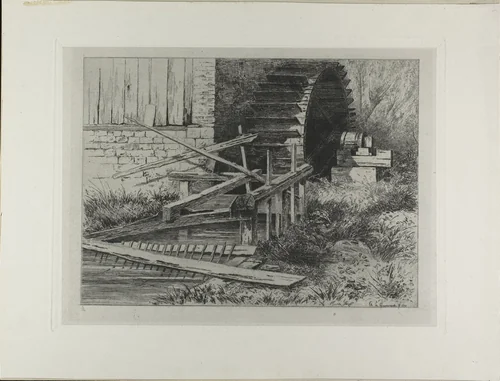
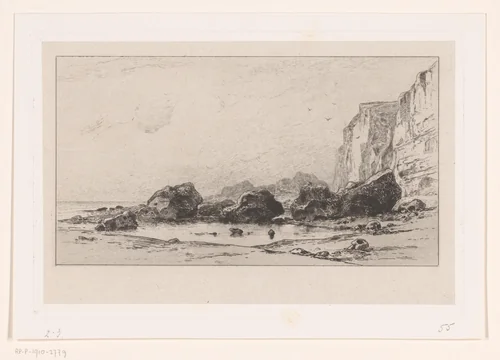
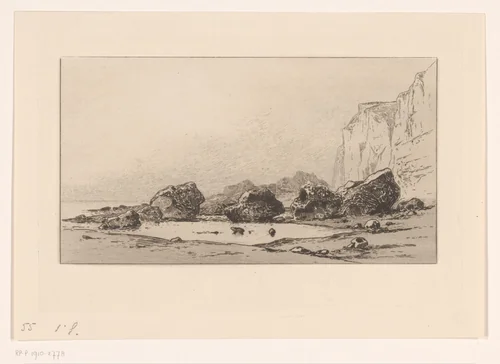
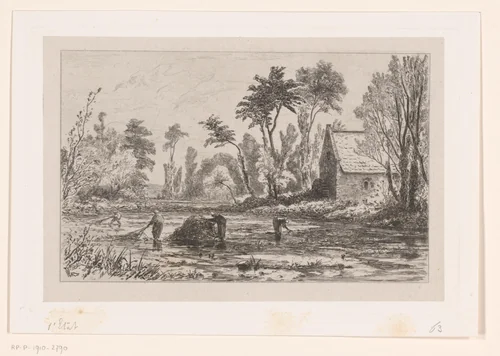
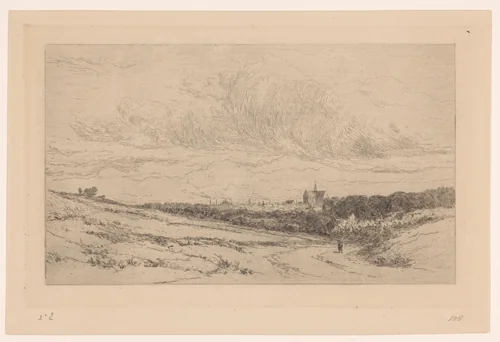
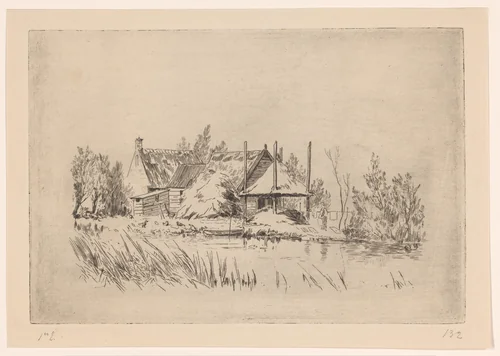
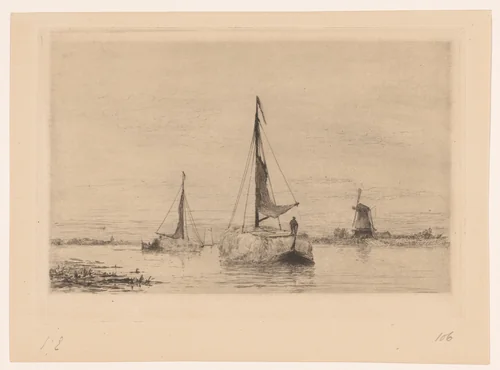
Carel Nicolaas Storm van 's-Gravesande (1841-1924) was a formidable figure in the Dutch artistic community of the late nineteenth century. Distinguished as a painter, etcher, and lithographer, he is perhaps best known for his sophisticated graphic works which captured the nuanced light and atmosphere that defined the Hague School. While the movement’s pioneers were generally preoccupied with the Dutch countryside, Storm van 's-Gravesande centered his efforts on the dynamic interaction of land and water, specializing in marine subjects, harbors, and city views.
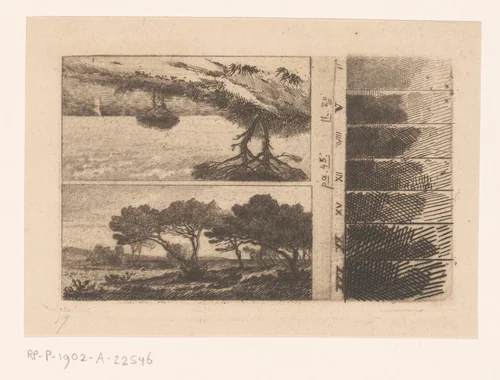
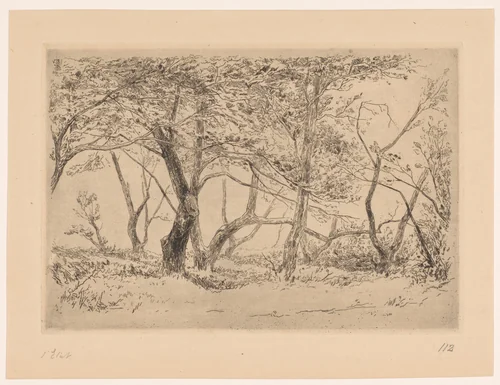
A master technician, he successfully translated the tonal sensitivities of oil painting into the stark economy of the print medium. His etches are celebrated for their meticulous draftsmanship and his ability to conjure heavy atmosphere using only black and white. Though his career also involved creating subtle, refined still lifes and intimate interior portraits, Storm van 's-Gravesande’s true métier lay in the expansive views of maritime commerce and civic life. He was equally comfortable interpreting the vast, open sea and the quiet geometry of a domestic setting.
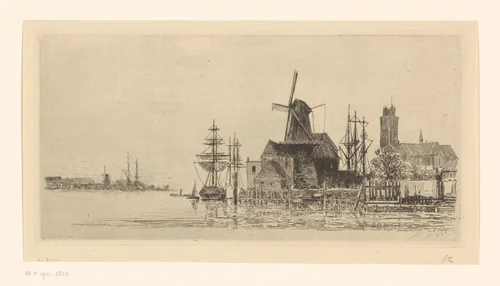
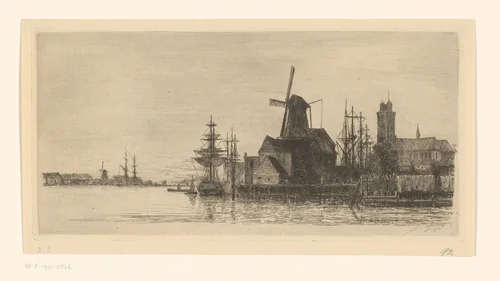
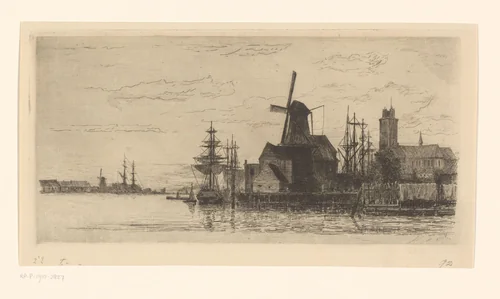
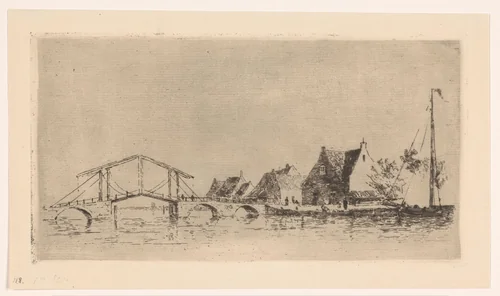
His topographical works provide invaluable records of nineteenth-century infrastructure and activity. Specific views such as Gezicht op Dordrecht, illustrating the Maartensgat area, and The Bank of Escaut, demonstrate his dedication to capturing the lifeblood of Dutch waterways and harbors with remarkable clarity. His subjects often extended beyond the Netherlands, including atmospheric renderings of international locales, such as his notable views of Venice.
Storm van 's-Gravesande’s influential contributions to late nineteenth-century printmaking ensure his prominent placement in institutional collections globally, including the Rijksmuseum in Amsterdam and the Art Institute of Chicago. The technical excellence of his output meant his prints were highly valued by collectors seeking high-quality prints and graphic studies. Today, the foundational historical period of his career means that much of his exceptional imagery is now in the public domain, ensuring access to downloadable artwork for researchers and enthusiasts seeking to appreciate the enduring legacy of this quintessential Hague School artist.
Source: Wikipedia · CC BY-SA 4.0