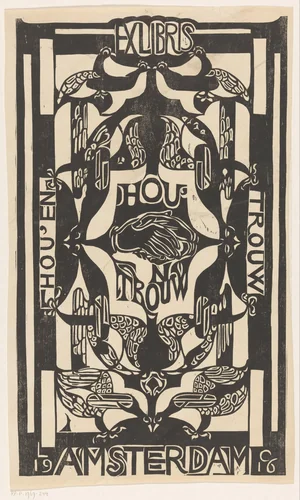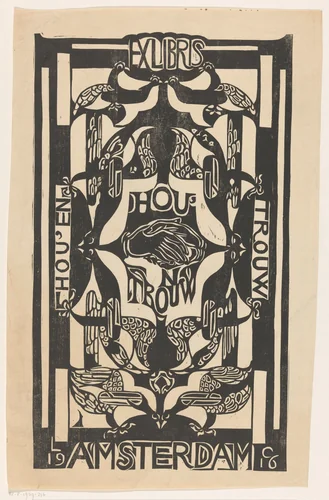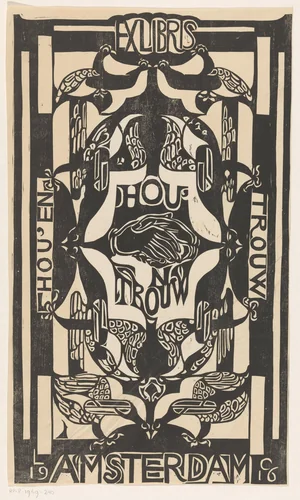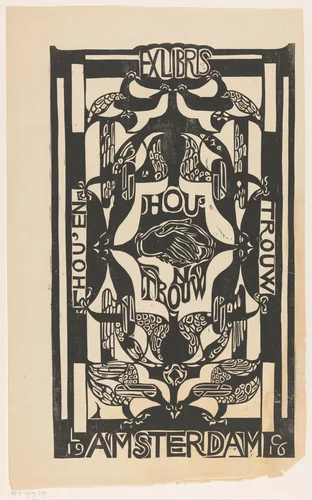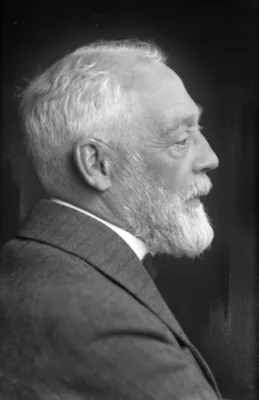
Carel Adolph Lion Cachet
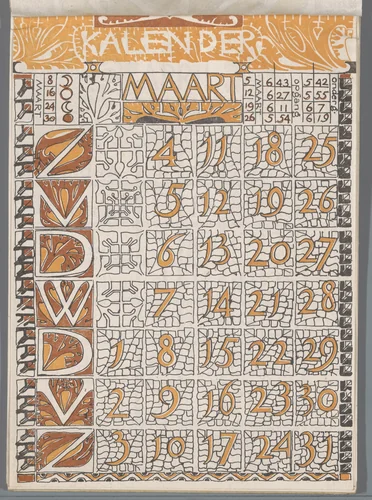
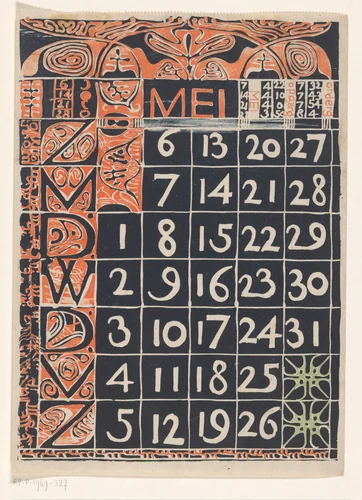
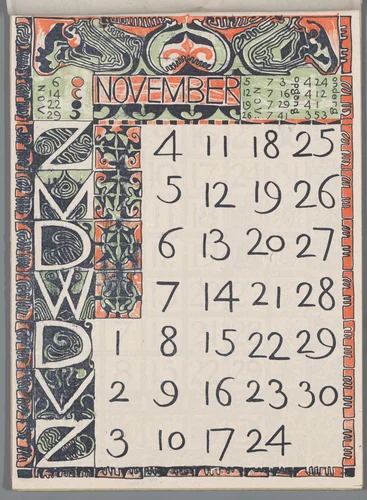
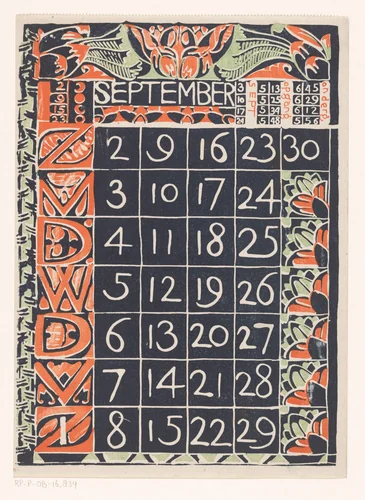
Carel Adolph Lion Cachet (1864-1945) stands as a pivotal figure in the evolution of Dutch design, distinguishing himself as a master printmaker, innovative ceramist, and influential applied artist. While many turn-of-the-century designers remained beholden to academic historicism, Cachet fundamentally contributed to the transformation of Dutch decorative arts, driving the shift toward modern aesthetic principles often categorized as Nieuwe Kunst. His significance lies in his refusal to adhere to the traditional hierarchy separating ‘fine art’ from functional design, a hallmark of the international movement toward integrated aesthetics.
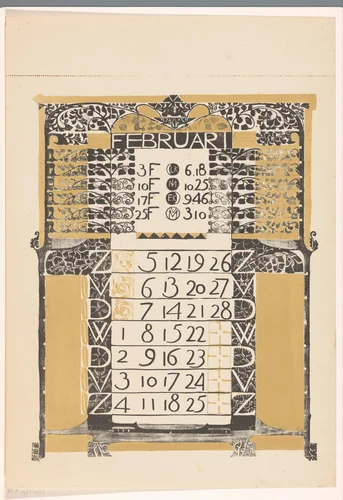
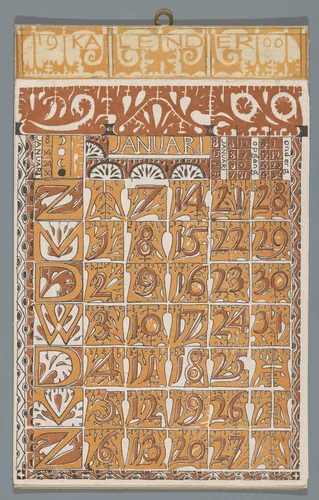
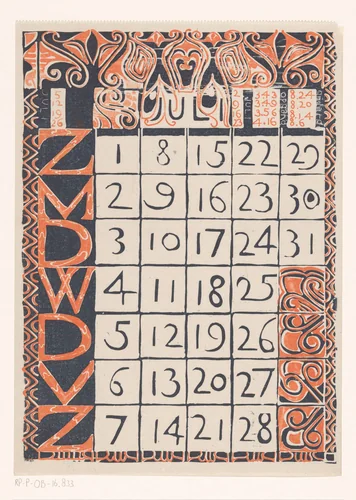
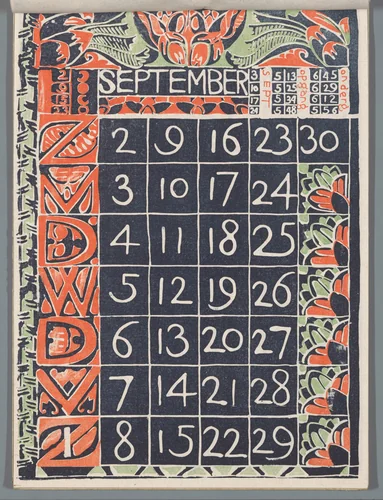
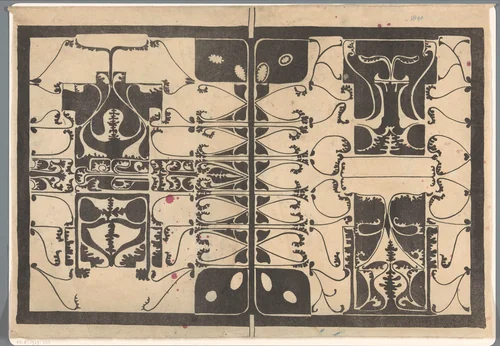
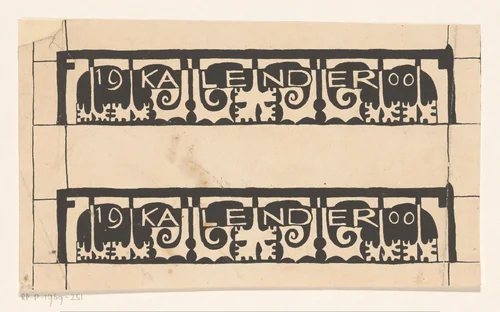
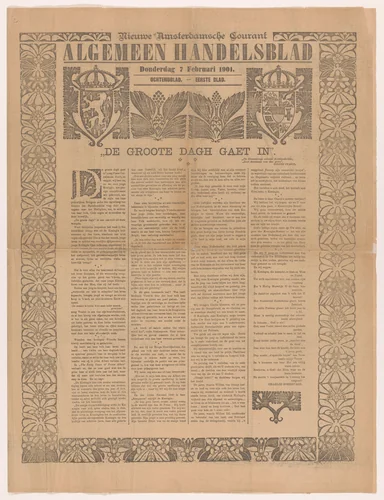
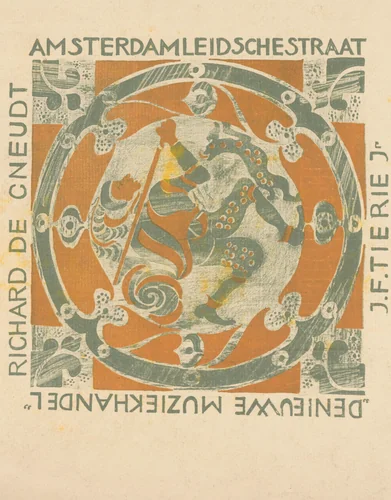
Active extensively between 1874 and 1896, Cachet’s output showcases a precise, often nature-derived approach to ornamentation, combined with a strong sense of national character. His prolific graphic work reveals his meticulous attention to line and abstract form, evident in pieces intended for reproduction, such as the comprehensive design sheet Blad met ornamenten, boot, wagen en wapen van Nederland and the striking zoological study, Liervogel. These preparatory designs frequently served as blueprints for larger architectural or interior projects, defining the aesthetic character of commissioned spaces in the Netherlands. This emphasis on applied graphics highlights the designer’s crucial role in establishing a cohesive visual identity for early 20th-century Dutch modernism.
Beyond graphic arts, Cachet was instrumental in the revival of applied arts, notably ceramics and textile design. He often concerned himself not just with the aesthetics of the finished object, but with the industrial processes required for its faithful reproduction, thereby bridging the gap between specialized artisan craft and modern industry. This pragmatic approach allowed his aesthetic vision to permeate public and private spaces efficiently. While his peers may have focused on grand oil canvases, Cachet devoted himself to perfecting the look of a vestibule, evident in complex mosaic proposals like Ontwerp vestibule 1e Classe, mozaïek, Mr. P.C. Hooft. This suggests a profound belief that daily surroundings deserved the same rigorous aesthetic consideration as monumental history painting.
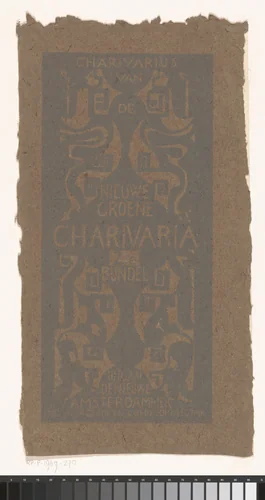
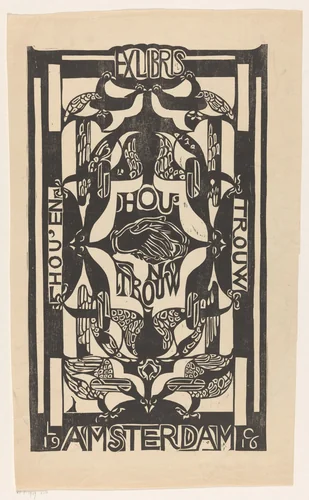
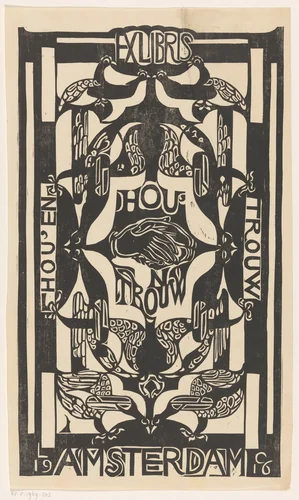
The survival of his preparatory studies and original Carel Adolph Lion Cachet prints, now held in major public collections such as the Rijksmuseum, provides invaluable insight into the meticulous methodology that underpinned the entire Dutch modernist transition. Today, much of this graphic material is available as public domain resources, making high-quality prints accessible to researchers and enthusiasts worldwide. His significant contribution to the unified, functional aesthetic of the era continues to be recognized globally, solidifying his standard for museum-quality early 20th-century design.
Source: Wikipedia · CC BY-SA 4.0