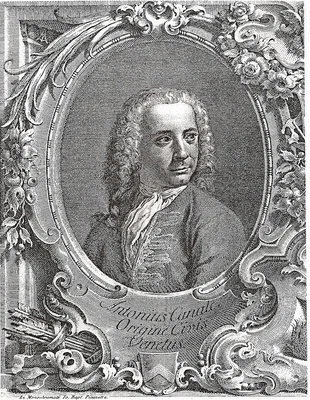
Canaletto
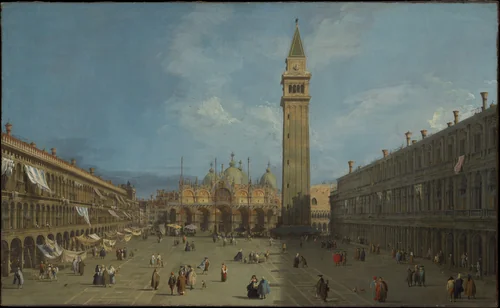
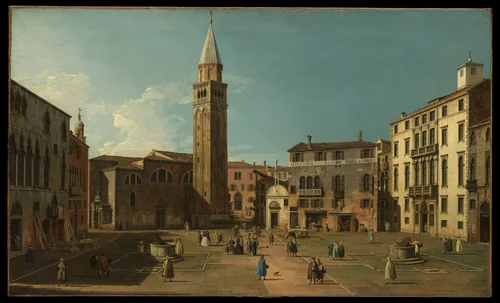
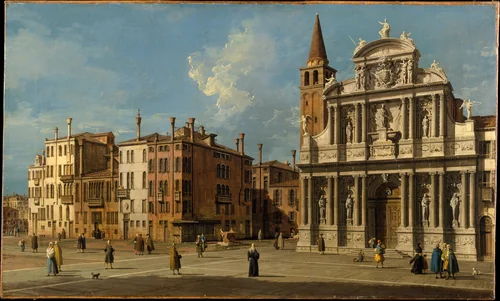
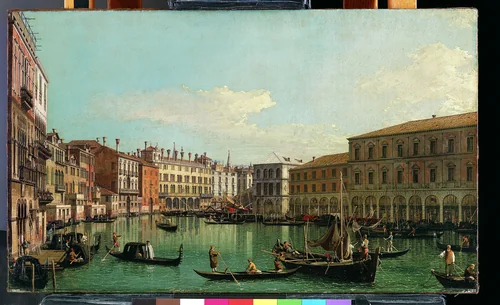
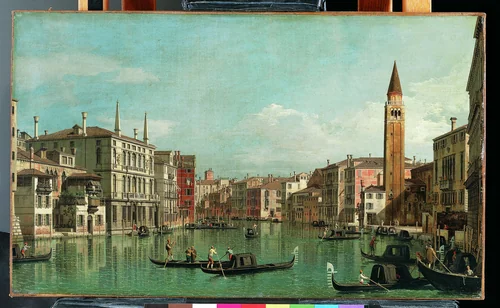
Giovanni Antonio Canal, universally known as Canaletto, was the preeminent Italian painter of the 18th-century, a foundational member of the highly influential Venetian school. Active between 1697 and 1727, Canaletto’s revolutionary approach to documenting Venice transcended mere topography, establishing him as the master of the veduta, or "view painting." He successfully married the technical precision required for architectural representation with a sophisticated understanding of light and atmosphere, rendering the city’s complex waterways and palazzi with dazzling clarity.
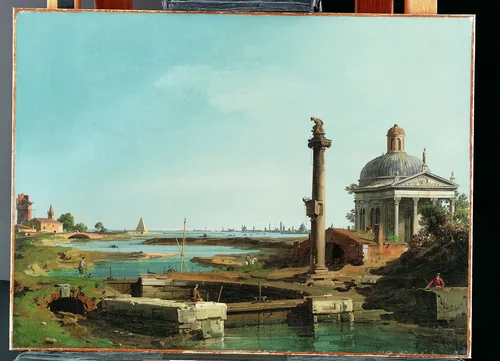
Although initially trained in theatrical set painting, a background that informed his dramatic compositions, Canaletto quickly pivoted to capturing the authentic, if idealized, Venetian scene. His canvases, today classified among the most iconic Canaletto paintings, were instrumental in immortalizing the architecture and social rhythms of the Republic during its late Baroque period. He developed a remarkable commercial rapport with British patrons undertaking the Grand Tour, whose demand for accurate, highly detailed visual souvenirs became the primary driver of his prolific output. While this popularity assured his financial success, it also ensured his aesthetic would define how the rest of Europe imagined Venice for centuries to come.
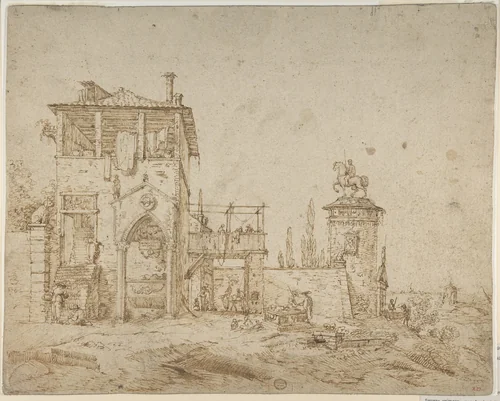
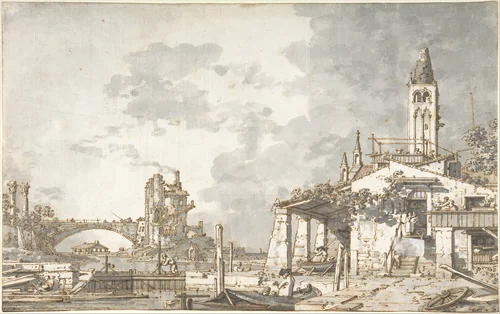
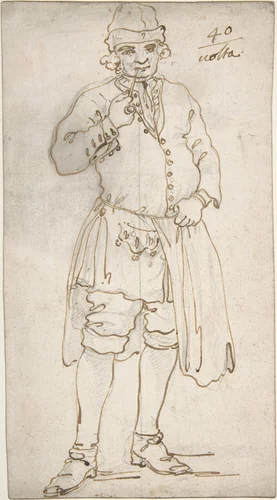
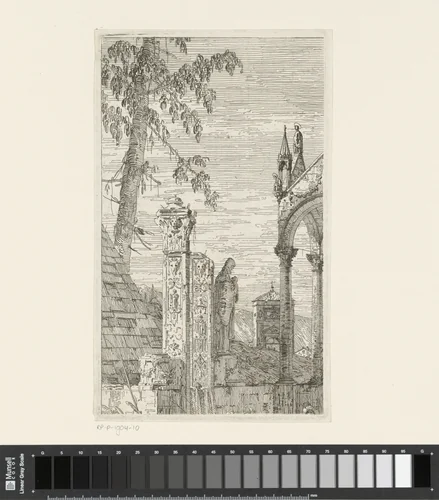
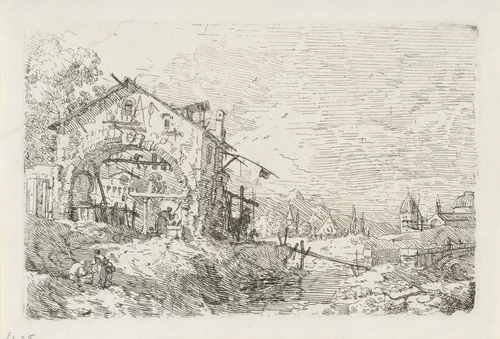
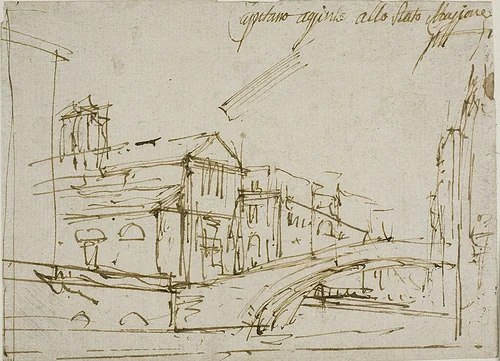
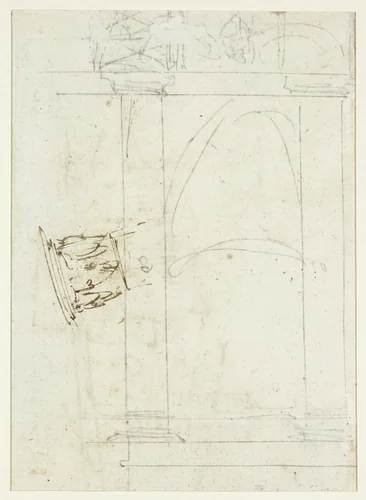
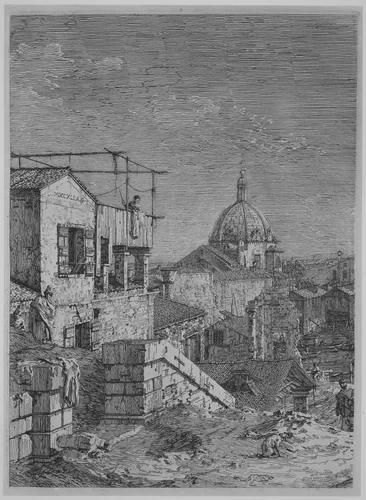
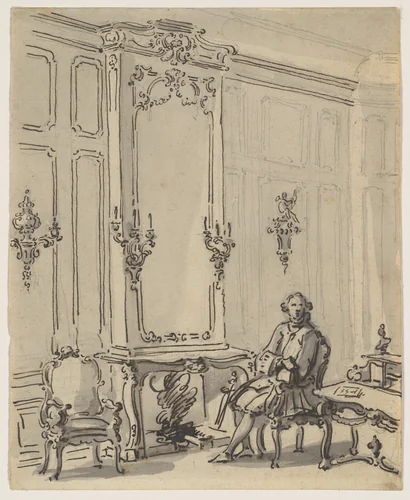
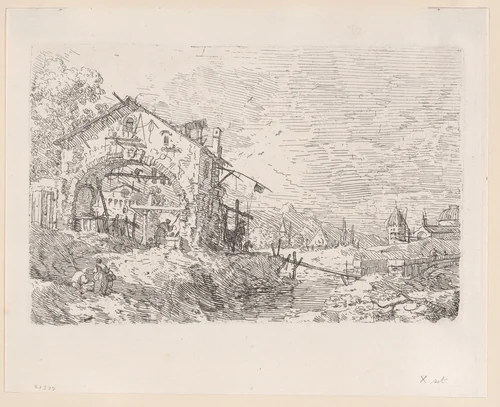
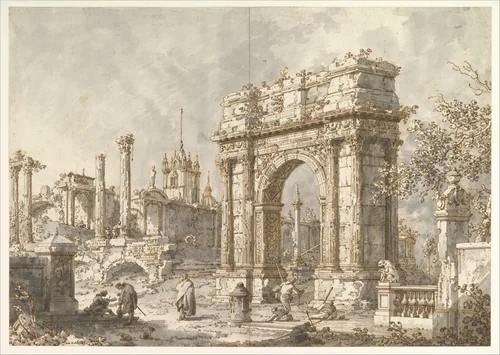
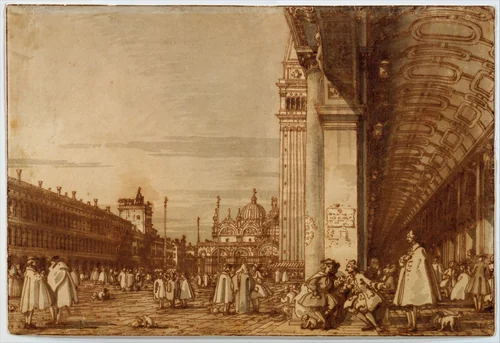
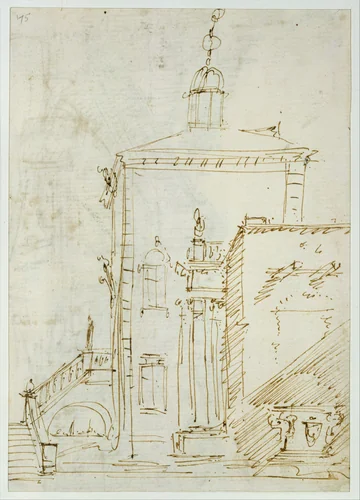
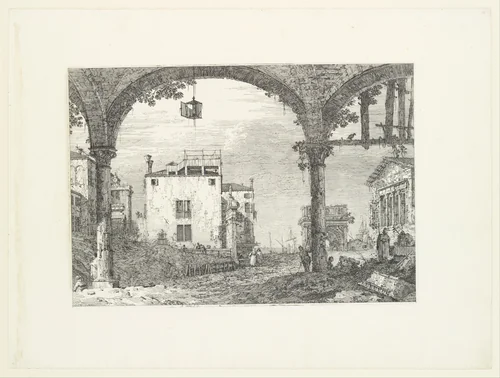
Canaletto’s command extended beyond oil painting. He executed numerous preparatory drawings and etchings, demonstrating equal facility in large-scale canvases, such as his depictions of specific sites, and smaller, more imaginative works, known as capricci. Examples of his diverse practice include the detailed graphic study Man Smoking a Pipe and the architectural fusion found in Fanciful Landscape (Landscape with Villa Building and Equestrian Monument). His capricci offered viewers the pleasure of recognizable Venetian structures placed into wholly invented, sometimes ruinous, classical settings, revealing a playful yet meticulous sensibility. The double-sided nature of works like Lagoon Capriccio (recto); Architectural Scene (verso) further highlights his constant exploration of perspective and form across mediums.
Today, Canaletto’s work remains essential for understanding 18th-century collecting and the professionalization of the European art market. Major repositories, including the Rijksmuseum, the Metropolitan Museum of Art, and the Art Institute of Chicago, hold significant collections of his paintings, drawings, and prints. Fortunately for researchers and enthusiasts, many of his highly detailed drawings and subsequent etchings are now in the public domain, allowing access to high-quality prints and downloadable artwork that attest to his enduring technical brilliance.
Source: Wikipedia · CC BY-SA 4.0