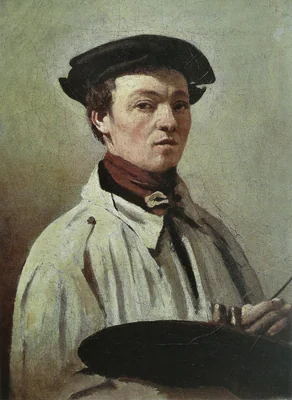
Camille Corot
Jean-Baptiste-Camille Corot (1796-1875) stands as one of the most critical figures in the history of French landscape painting, simultaneously concluding the academic traditions of the early nineteenth century and ushering in the modern visual aesthetics of the latter half. A prolific painter, draftsman, and printmaker in etching, Corot synthesized rigorous formal training with an increasingly spontaneous approach to observation. His pivotal output referenced the established Neo-Classical tradition even as it anticipated the plein-air innovations of Impressionism.
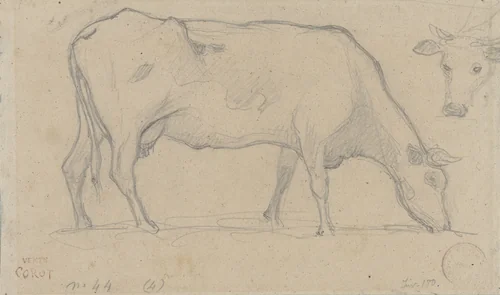
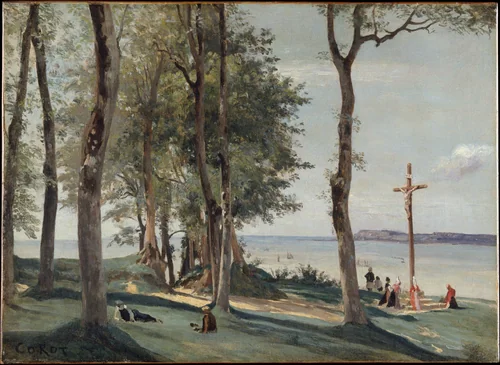
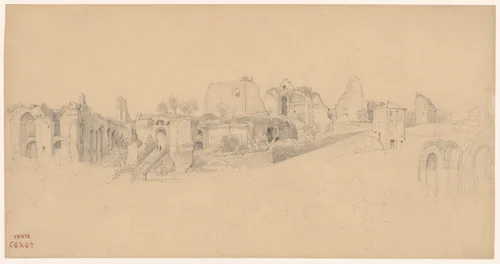
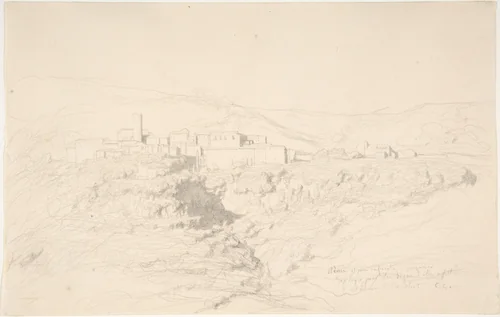
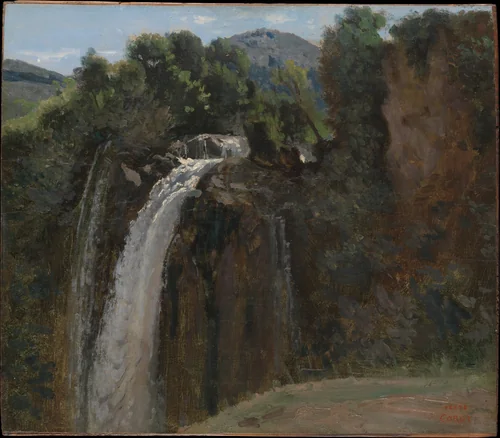
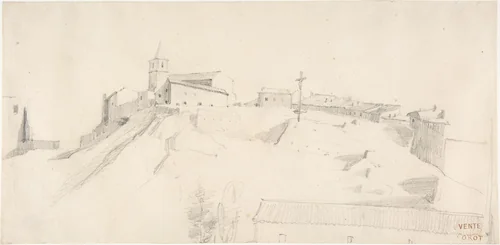
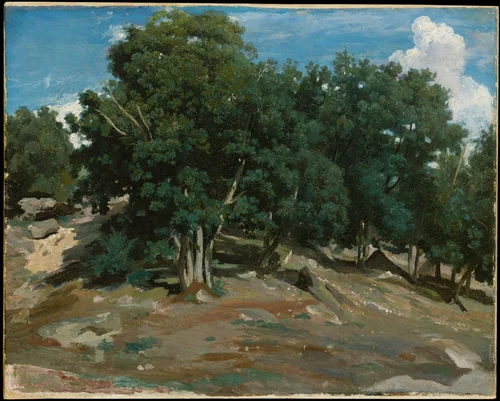
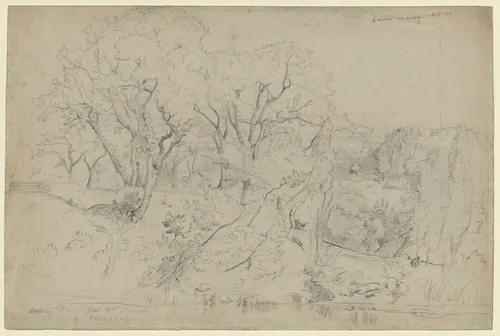
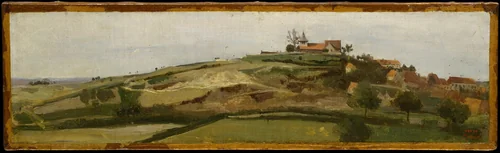
Corot’s lengthy career spanned periods of dramatic artistic shift, yet his style remained distinctively his own, characterized by a luminous, silvery palette and a masterful ability to convey atmosphere and light. While his grand Salon pieces often adhered to balanced compositions, his extensive travels, particularly to Italy, produced hundreds of intimate, rapidly executed studies. These works, whether the precise draftsmanship seen in Grazende koe or the atmospheric oil sketch Honfleur: Calvary, demonstrate a revolutionary commitment to capturing fleeting visual effects directly from nature.
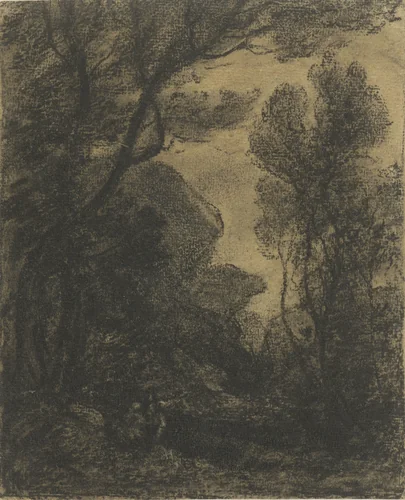
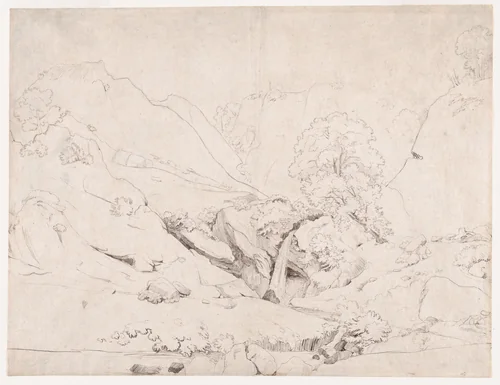
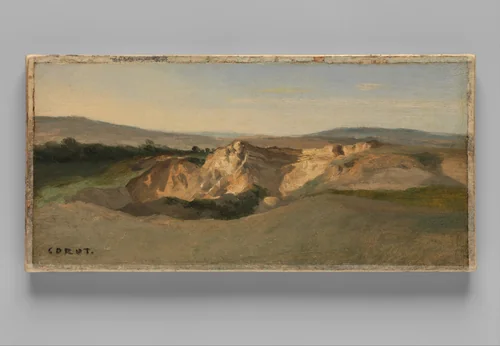
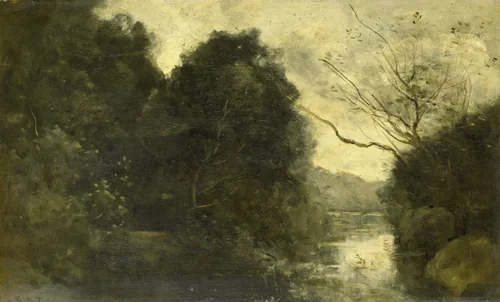
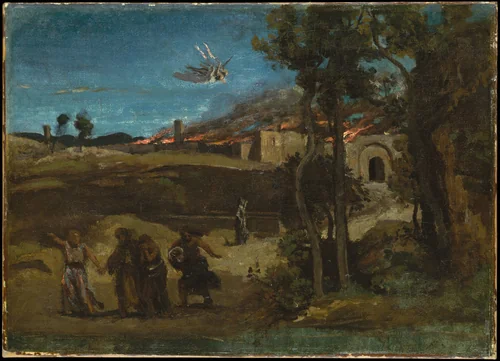
His later, mature period, dominated by soft, sometimes melancholic, rural vistas like Bosgezicht bij avond, secured his reputation as the quintessential pastoral master. These canvases, focusing on diffused light and blurred contours, profoundly influenced succeeding generations of landscape specialists. Corot’s commitment to capturing immediate visual experience often meant that his studies, such as the double-sided work Italian Landscape (recto); Rocks and foliage (verso), possessed a freedom and energy absent from more finished academic compositions.
His vast body of work is preserved in major international repositories, including the Rijksmuseum and the Metropolitan Museum of Art, testament to his long-standing museum-quality appeal. Corot achieved this profound historical pivot not through conscious rebellion, but through sheer, tireless devotion to observation; he was simply incapable of seeing the world in a way that wasn't fresh. Today, Corot remains a cornerstone of the French nineteenth-century canon, and key examples of Camille Corot paintings and prints are frequently found in the public domain, allowing for the widespread dissemination of high-quality prints.
Source: Wikipedia · CC BY-SA 4.0