Bukhara
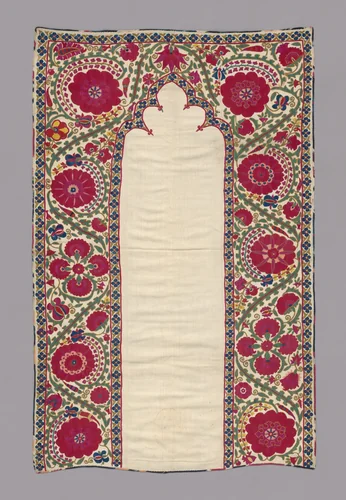
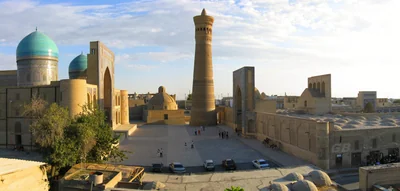
Bukhara, long established as a vital node along the Silk Roads, represents one of Central Asia’s most influential centers for the production of sophisticated textile arts. While the city today maintains its role as the capital of its namesake region, its historical significance to global decorative arts lies in the output of its dynamic workshops, active intensively between 1701 and 1875. This period defined the aesthetic parameters of what is now recognized internationally as the Bukhara School.
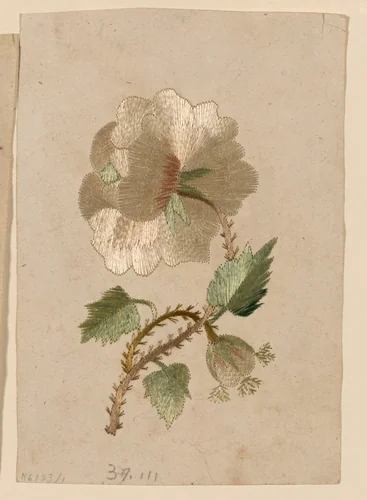
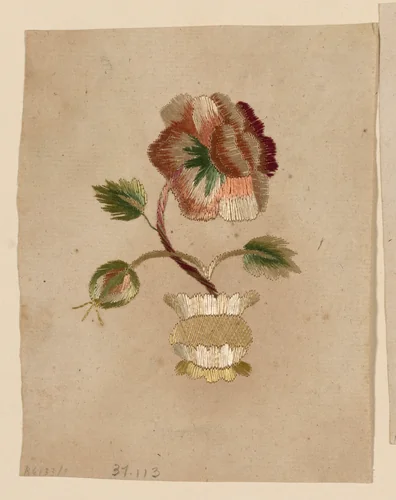
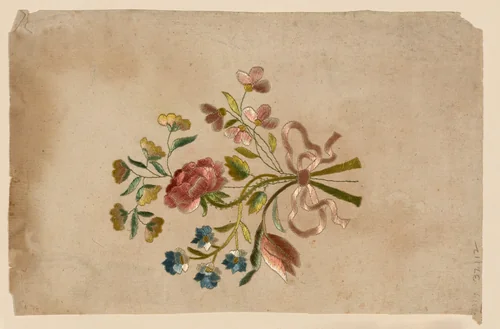
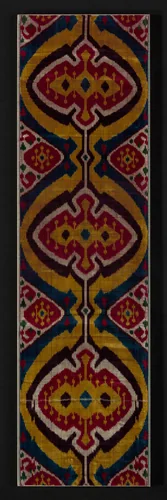
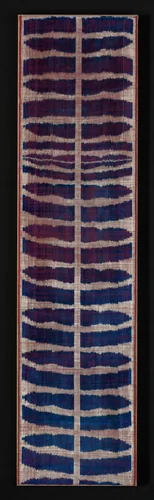
The identified corpus, documented across seven essential pieces, showcases a profound technical fluency rooted in the highly specialized handling of silk and cotton fibers. The inventory, composed predominantly of large format pieces listed generically as Hanging and multiple specific Pattern studies, demonstrates a deliberate focus on applied design rather than narrative figuration. The mastery of complex geometric repeat structures is paramount. These textiles employed labor-intensive dye-resist techniques, particularly ikat, which provided the signature feathered edges and vibrational color characteristic of the region.
The innovation of the Bukhara tradition stems not only from technical skill but from its commercial adaptability. These were works designed for transport and display, serving both domestic function—as coverings and dowry items—and as high-value trade goods exported across continental Asia and into Eastern Europe. The sheer scale and saturation of color in these designs—vibrant reds, deep indigos, and emerald greens—serve a distinct artistic purpose, providing intense visual density. One might observe that the dazzling complexity of the central Pattern repeats seems designed to momentarily defy the vast, monochrome stillness of the steppe landscapes they ultimately furnished, offering a sustained visual intensity that few other mediums could match.
Today, the enduring artistic legacy of the Bukhara textile school is rigorously preserved within institutional collections, including the Art Institute of Chicago. The documentation of these museum-quality artifacts allows for continued scholarly review. Furthermore, as efforts progress to make this cultural heritage widely accessible, many examples of these historical textiles are available as downloadable artwork, providing researchers and textile artists with broad, royalty-free access to the fundamental designs that shaped the decorative history of Central Asia.
Source: Wikipedia · CC BY-SA 4.0