British Painter
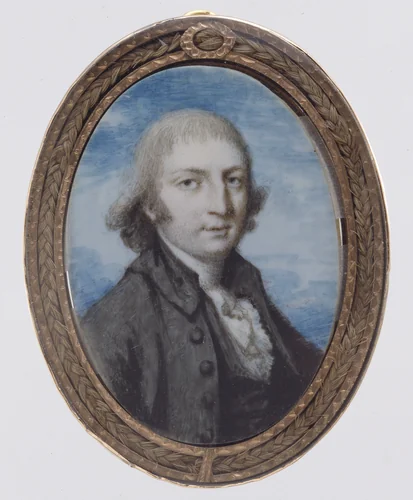
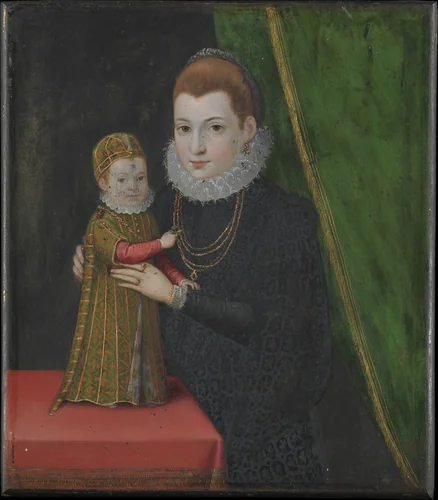
The designation British Painter is applied to a group of unidentified or provisionally attributed artists active over an extended period, spanning from 1572 to approximately 1840. These attributions capture the output of portraitists working predominantly in England across the late Tudor, Stuart, Georgian, and early Victorian eras.
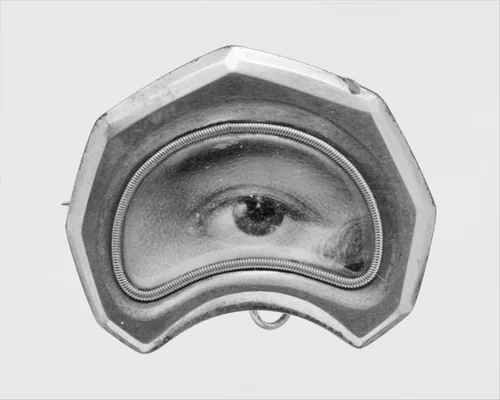
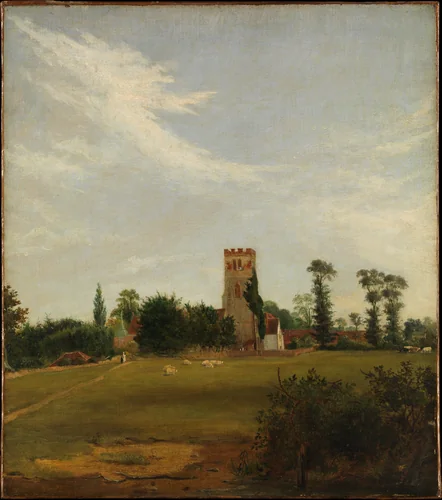
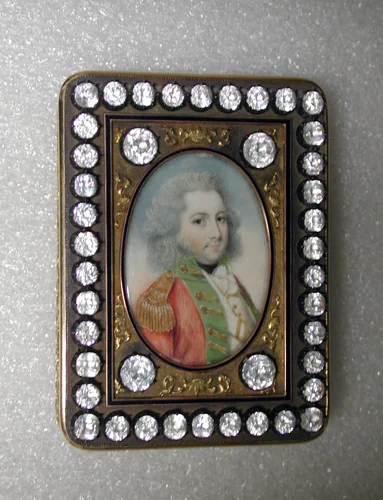
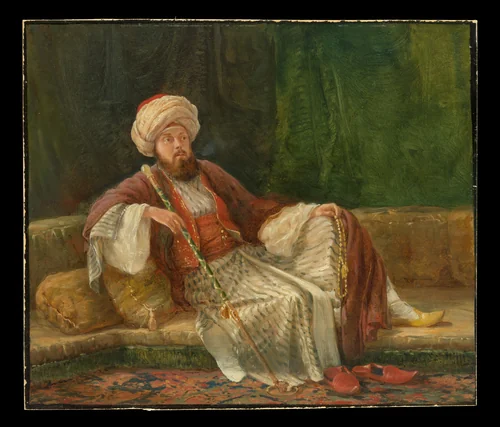
The documented works attributed to this collective primarily consist of paintings, although the material scope of the group includes three other types of works and a documented metalwork piece. Ten items attributed to a British Painter are currently represented in museum collections, establishing key reference points for early modern British aesthetic studies.
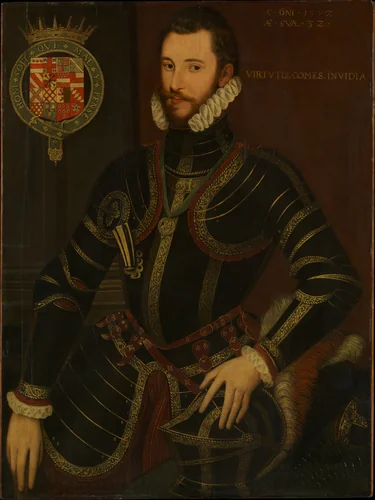
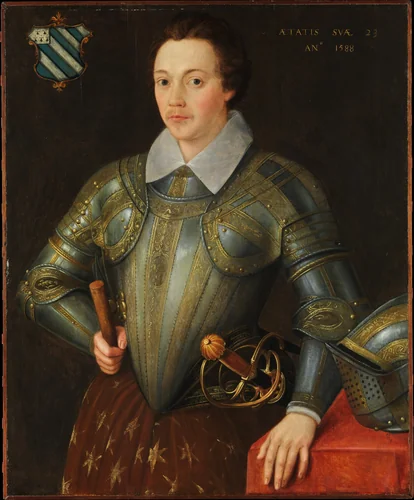
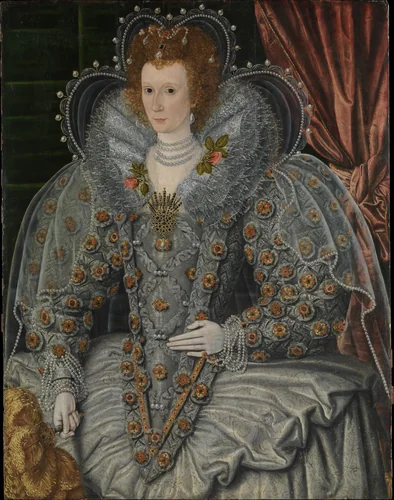
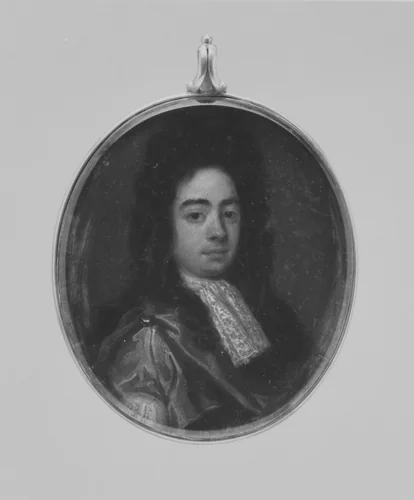
The Metropolitan Museum of Art holds several of these pieces, including six paintings, which often depict notable historical or societal figures. Key works include the formal portraits Portrait of Walter Devereux (1539–1576), First Earl of Essex and Sir John Shurley of Isfield (1565–1632). Other documented paintings include Portrait of a Woman, Portrait of a Man, and the more specific study A Man with the Initials RH.
Due to the age of these works, many of the attributed images are now considered public domain, allowing institutions and researchers to access and distribute high-quality prints for scholarship. Continued interest remains high for British Painter prints that document the stylistic conventions of the era.