British 18th Century
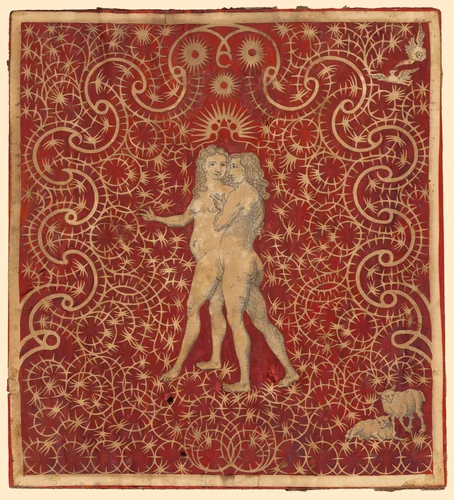
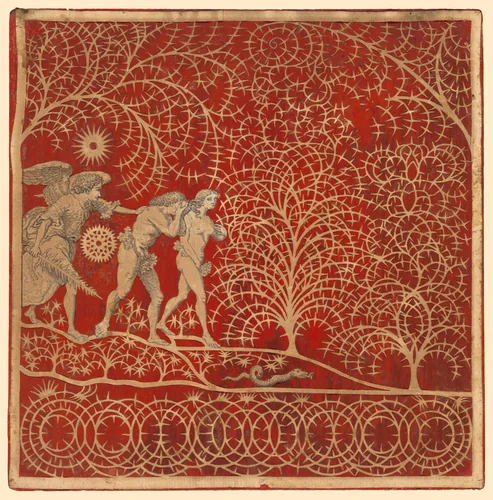
The designation British 18th Century refers to works created between 1700 and 1790 within the British sphere of artistic production. The artistic output of this period was diverse, encompassing multiple media and subject matter.
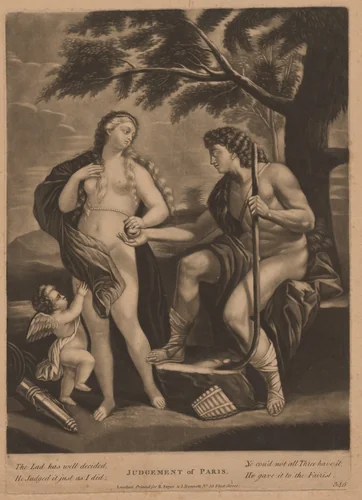
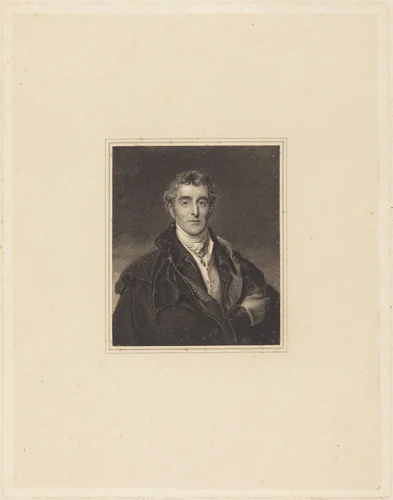
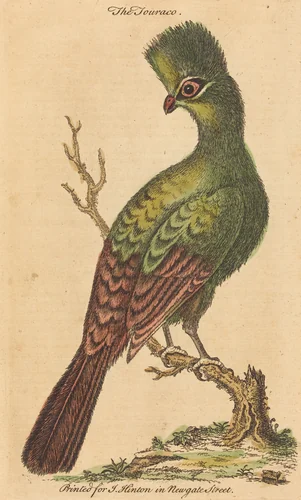
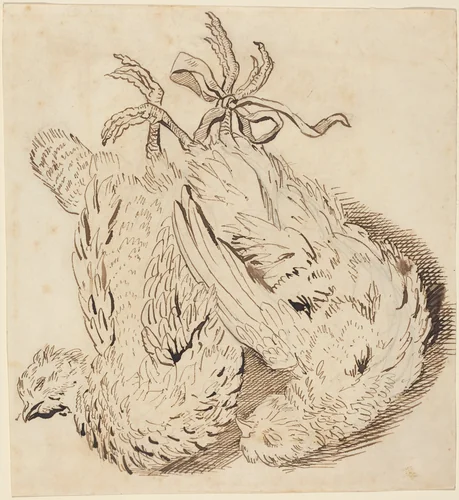
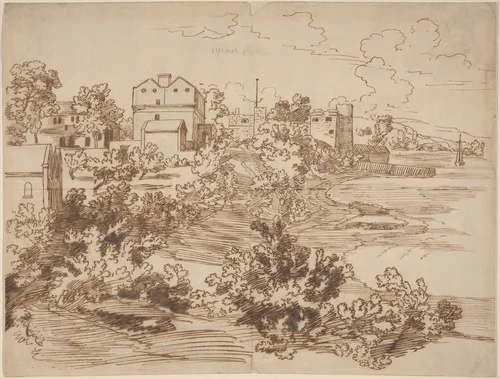
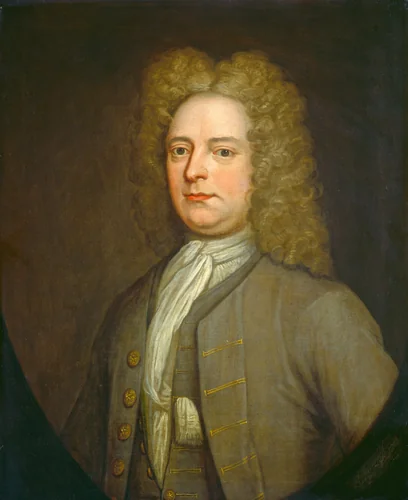
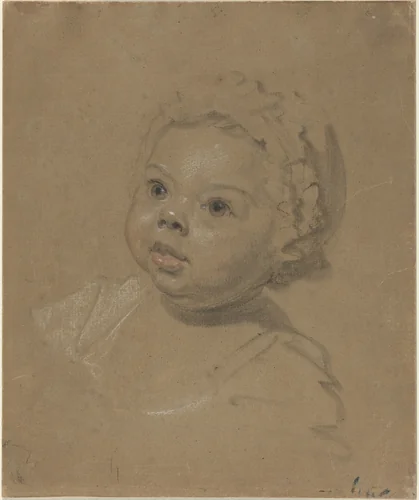
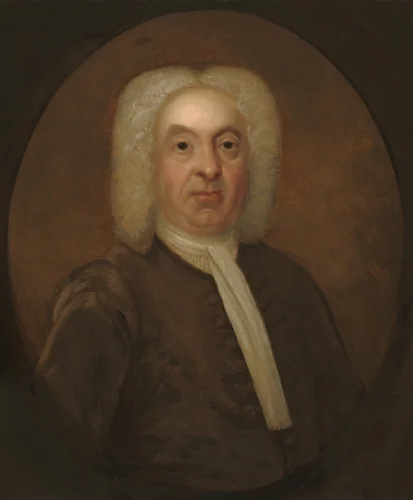
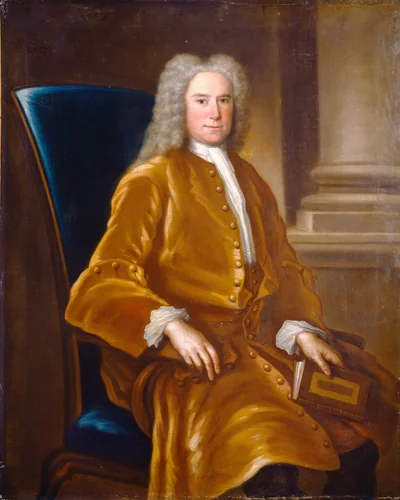
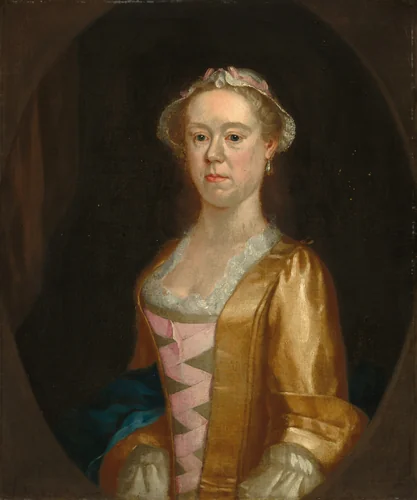
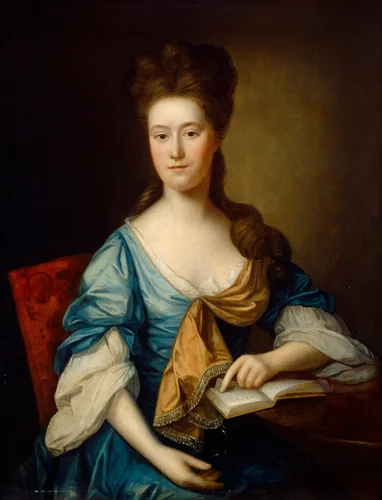
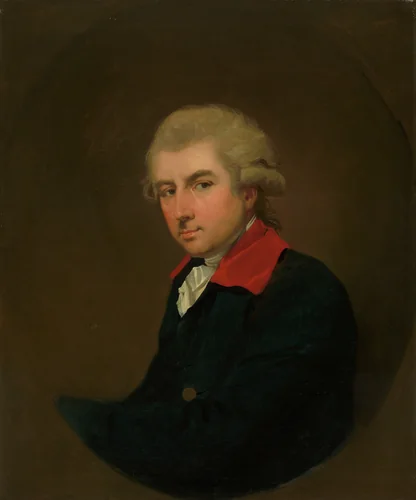
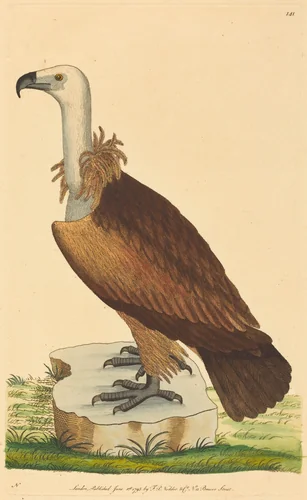
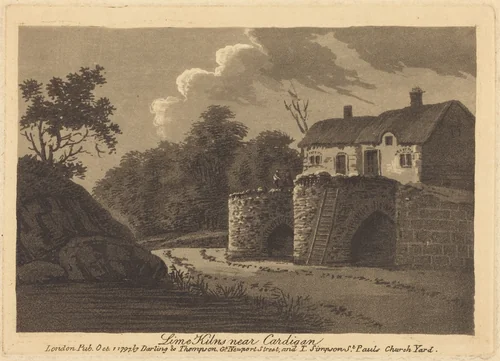
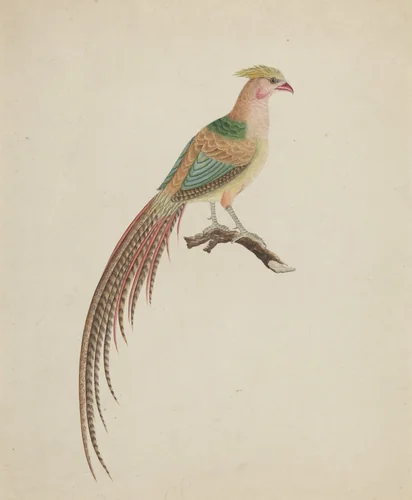
Fifteen works attributed to this period are represented in museum collections, consisting of six drawings, six paintings, and three prints. The subjects span history painting, portraiture, landscape, and still life, reflecting the breadth of academic and popular interests of the time. Notable examples include the mythological rendering Judgment of Paris, the portrait Portrait of a Gentleman, and the landscape study Upnor Castle. Other significant works held in collections include the natural history study The Touraco Bird and the still life Two Dead Chickens.
Key examples of British 18th Century paintings and associated graphic arts are preserved in major institutions, including the National Gallery of Art. These institutional holdings provide critical documentation of the evolving styles dominant in Britain throughout the century. As works created during this period frequently fall into the public domain, they are often used as reference material and available today as high-quality prints for study.