Brett Weston
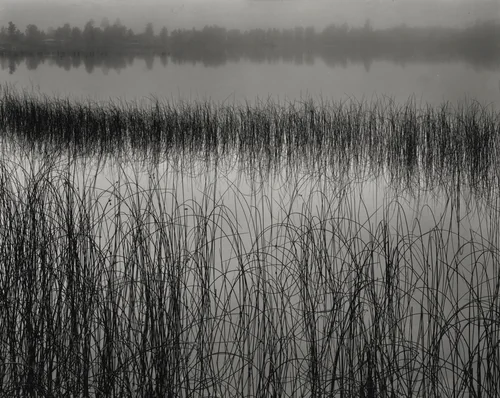
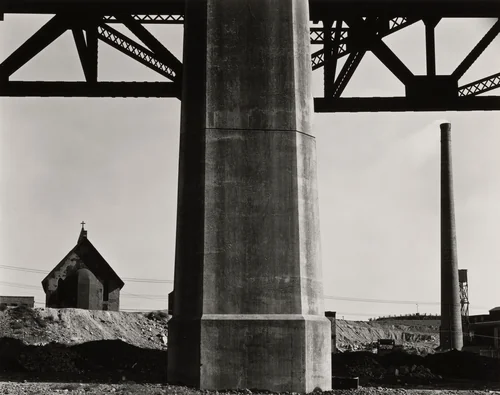
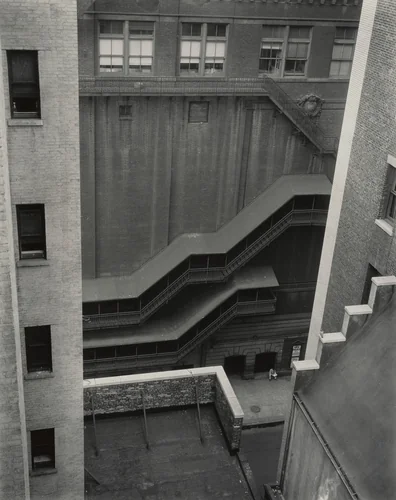
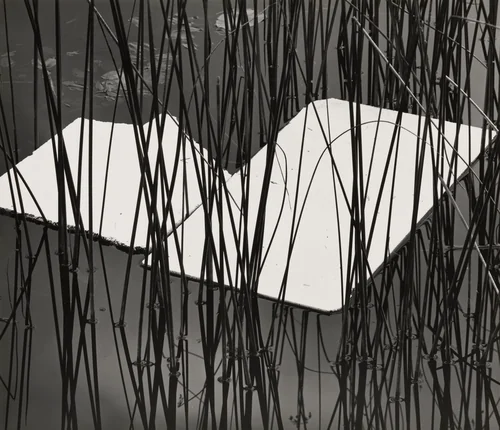
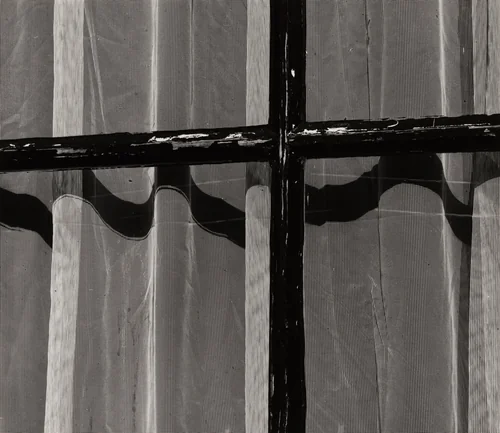
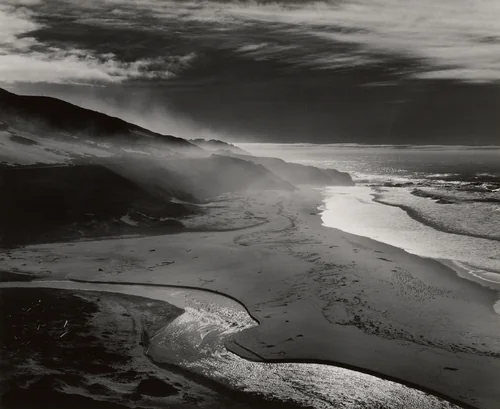
Theodore Brett Weston (1905-1993) was an American photographer whose extensive career spanned nearly six decades, positioning him as a significant, dynamic figure in 20th-century photographic modernism. Known for his technical precision and bold visual clarity, Weston’s work frequently focused on the abstract qualities inherent in both natural and industrial landscapes, moving the conversation surrounding California photography beyond descriptive realism toward formal geometry.
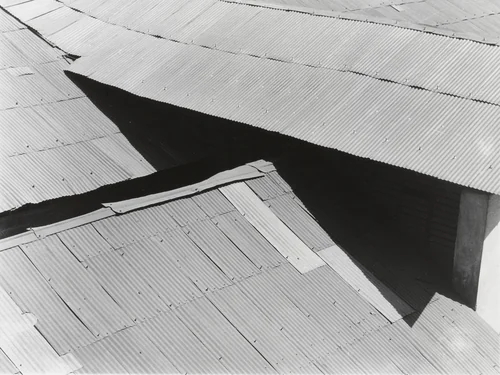
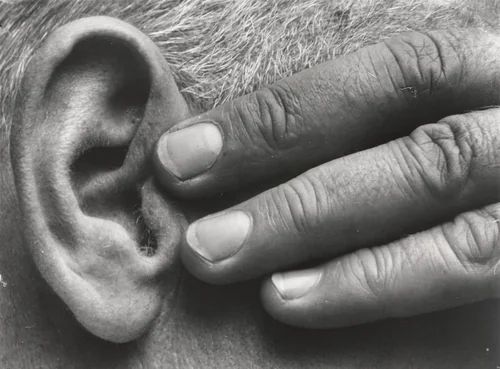
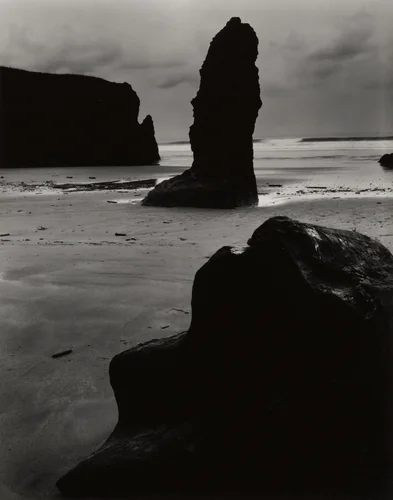
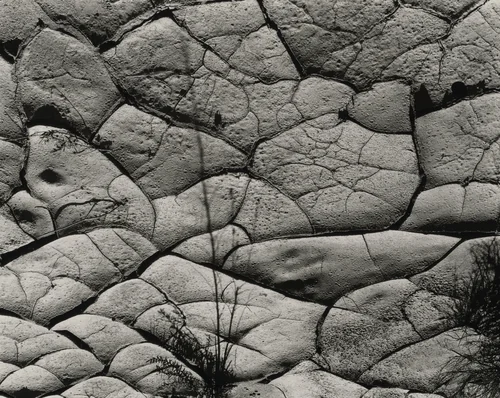
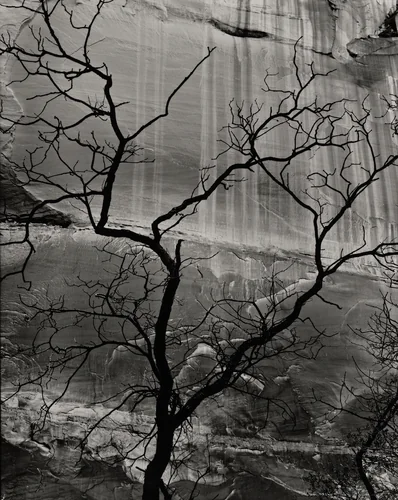
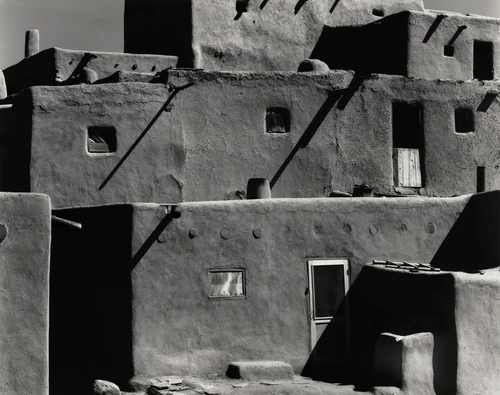
Weston began his professional life exceptionally early, learning directly under the guidance of his renowned father, Edward Weston. By the mid-1920s, he had already developed a distinctive approach, often employing severe contrast and radical cropping to transform ordinary subjects into powerful graphic statements. Where many contemporaries sought subtle tonal gradations, Weston embraced intense blacks and sharp whites, a style immediately evident in early works such as Corrugated Iron Roof and the dramatically cropped human study, Hand and Ear.
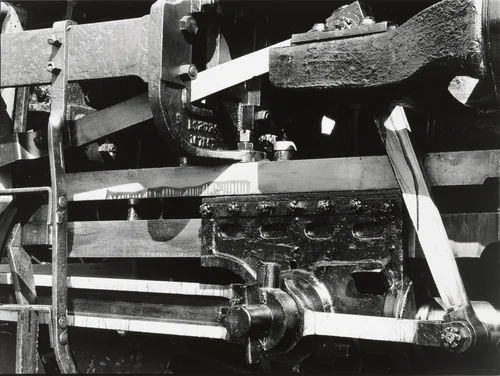
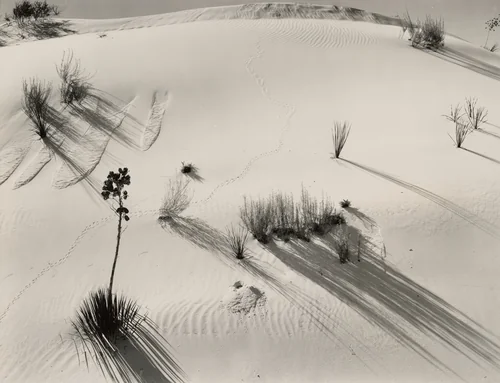
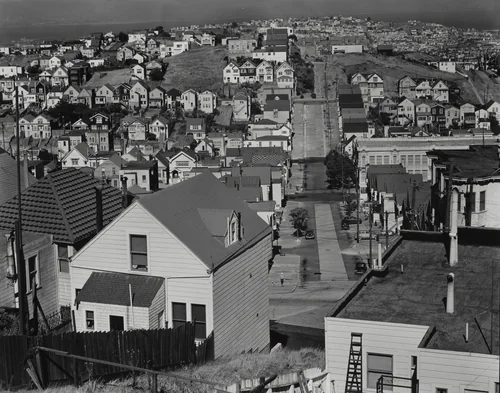
His approach to form was characterized by a search for elemental structure, whether capturing the mechanical severity of an engine in Locomotive or the shifting organic geometries of the Southwest, as seen in Dune, Yucca, White Sands, New Mexico. Although his subjects ranged globally, his most innovative work consistently highlighted the often-overlooked textures and patterns of American life, even finding graphic sophistication in urban documentation like San Francisco Neighborhood. The resulting images are highly graphic, almost sculptural, displaying an inherent confidence that led critics to observe he reached creative maturity faster than perhaps any other photographer of his generation.
Weston’s tireless dedication to the craft and his pursuit of the perfect platinum or silver gelatin print ensured his place in major institutions. His photographs are held in the permanent collections of the Museum of Modern Art and the National Gallery of Art, among others. While original Brett Weston prints remain central to fine art collecting, the enduring strength of his compositional vision continues to be studied by researchers interested in museum-quality photography and the transition from pictorialism to pure photographic modernism. The clear aesthetic standards Weston set defined what was possible in large-format, high-quality prints for decades.
Source: Wikipedia · CC BY-SA 4.0