Boucicaut Master
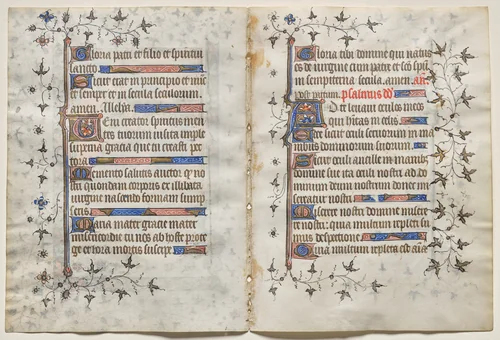
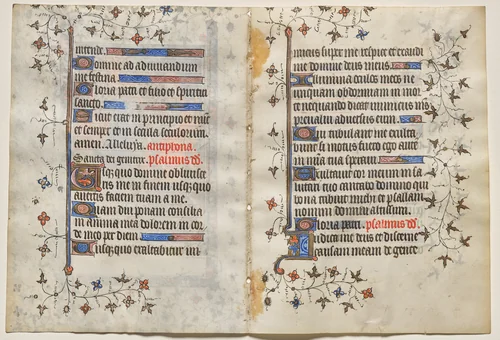
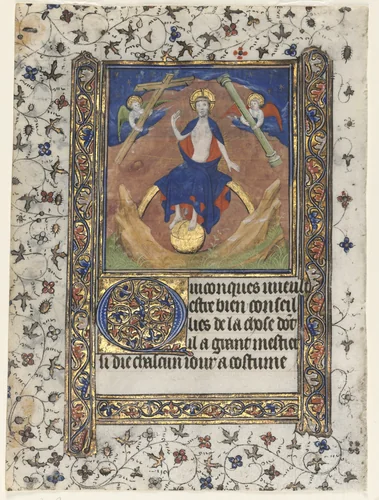
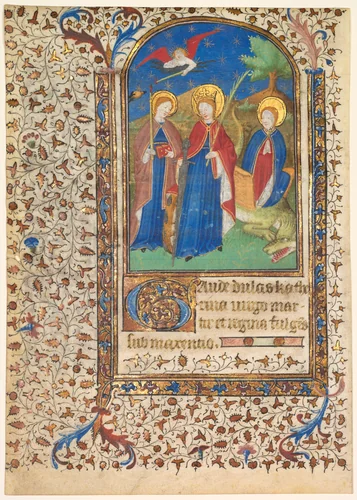
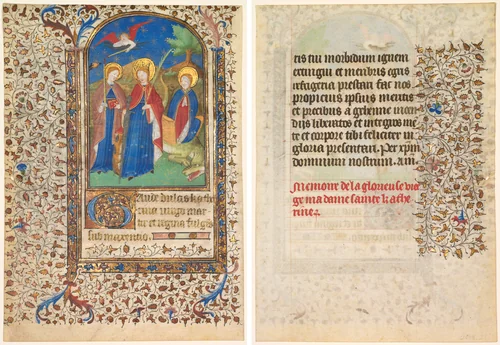
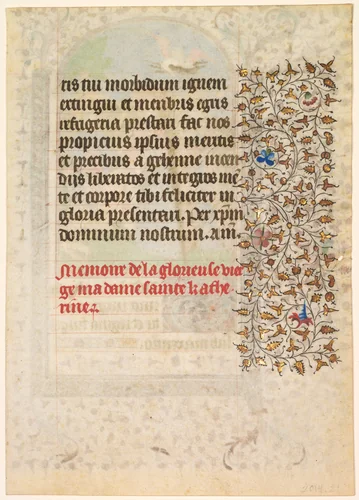
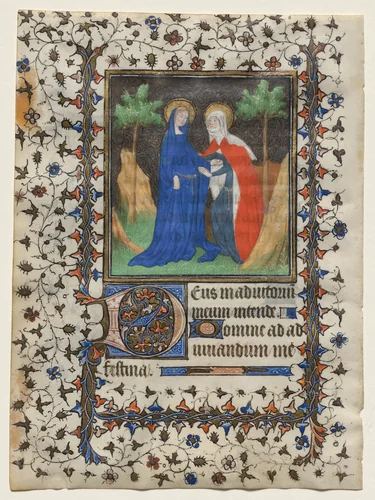
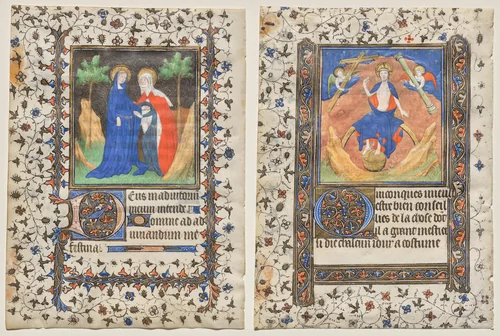
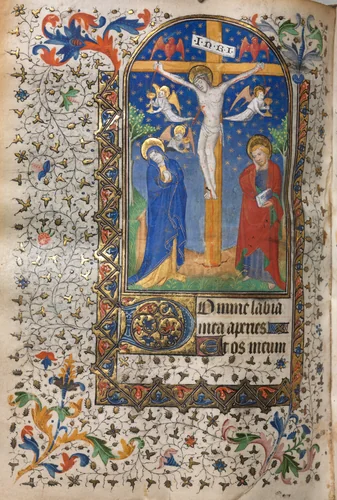
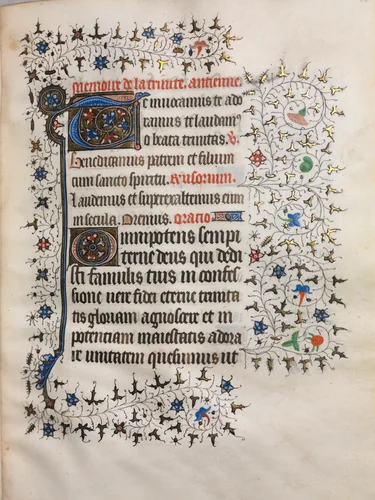
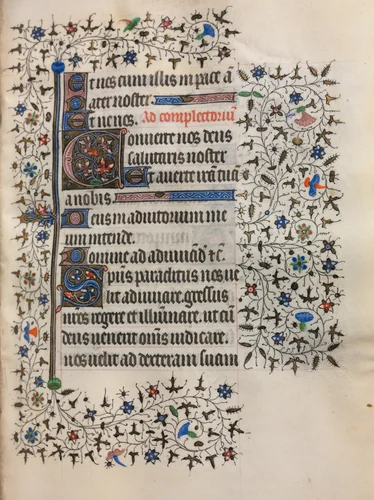
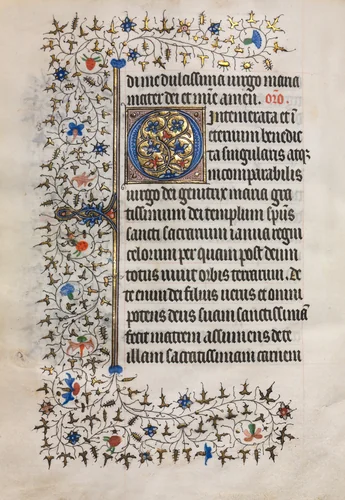
The Boucicaut Master, sometimes known simply as the Master of the Hours for Marshal Boucicaut, stands as one of the most significant yet enigmatic figures in early fifteenth-century French illumination. Active primarily in Paris between approximately 1400 and 1430, this anonymous artist or workshop synthesized French and Flemish sensibilities, becoming a leading exponent of the refined International Gothic style. While his precise identity remains a matter of scholarly debate, his robust output, particularly the lavish Hours created for his namesake patron, Jean II Le Meingre, Marshal Boucicaut, cemented his reputation as a formidable innovator in miniature painting.
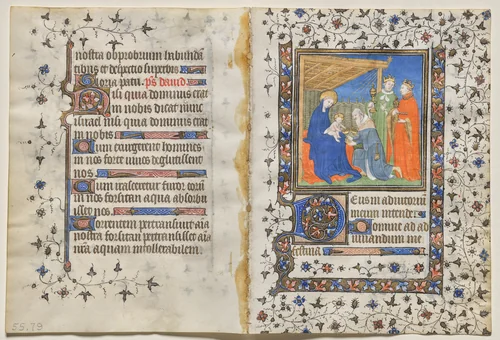
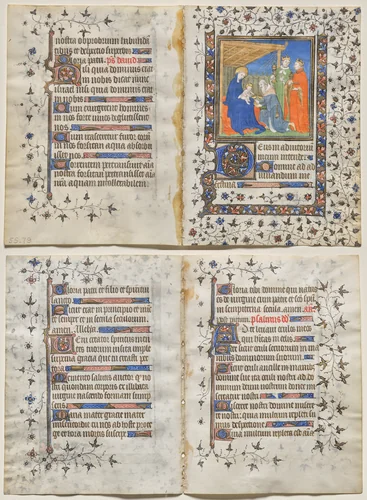
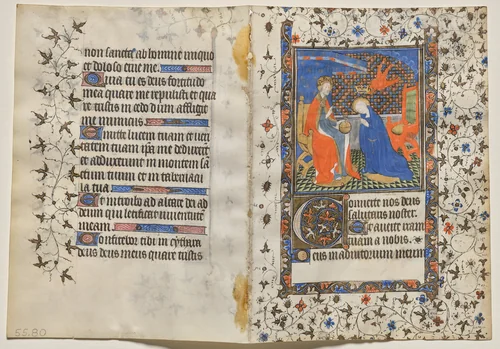
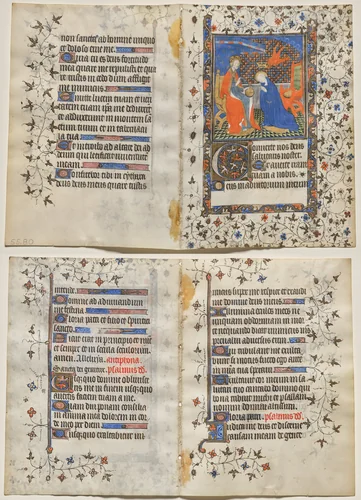
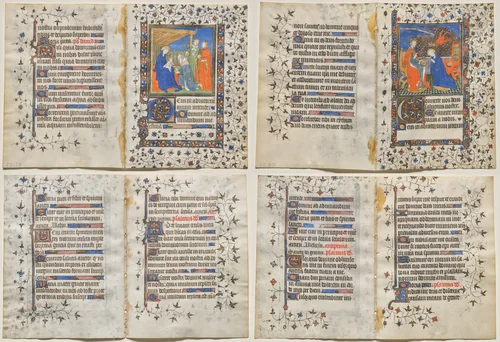
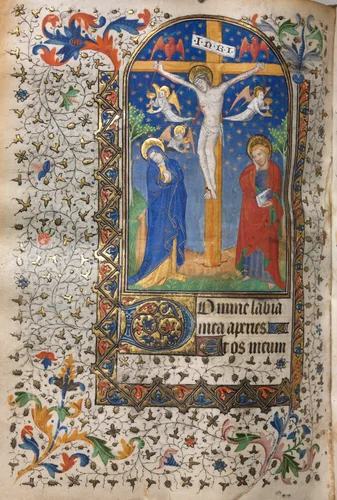
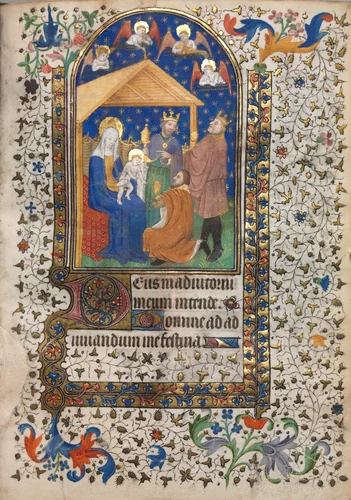
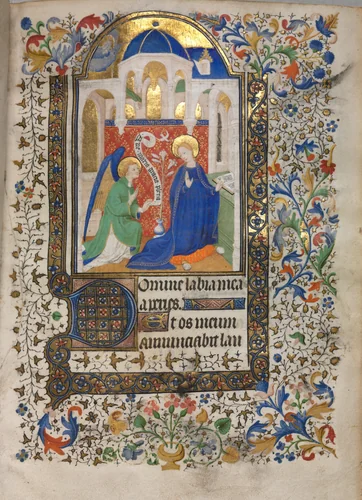
The Master’s primary achievements center on the revolutionary use of atmospheric perspective and spatial depth within the small confines of the prayer book. Unlike many contemporaries who favored flat, decorative fields, the Boucicaut Master specialized in creating deep, believable architectural settings and complex recession. Observe, for instance, the spatial arrangements in scenes like the Adoration of the Magi or the Coronation of the Virgin, where figures recede naturally into the distance, often framed by early attempts at three-dimensional realism. This attention to naturalistic light and shade marks a decisive step toward the nascent Renaissance style that would later characterize artists like Jan van Eyck. The precision and delicacy inherent in these compositions classify them as essential examples of museum-quality illumination.
The workshop maintained a consistent output, evidenced by the thirteen surviving manuscripts and two books attributed to the hand or circle of the Master. Although working within the luxury market for elite patrons, the aesthetic influence of his designs quickly dispersed, establishing new standards for manuscript production across Europe. It is an interesting side note that the designation ‘Master of the Hours’ was a common contemporary way of identifying an individual whose name was simply lost to subsequent generations, suggesting the artist’s identity was not necessarily a closely guarded secret at the time. Today, the work of the Boucicaut Master prints is preserved in major global collections, and select images are accessible as high-quality prints and downloadable artwork.
Source: Wikipedia · CC BY-SA 4.0