Botticelli
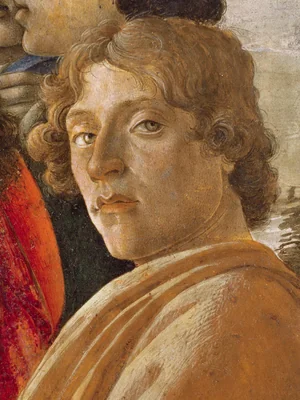
Alessandro di Mariano di Vanni Filipepi, known universally as Sandro Botticelli, stands as a defining master of the Florentine Quattrocento. Active primarily between 1471 and 1495, he emerged during the height of the Medici influence, synthesizing the rigorous technical demands of the emerging Renaissance style with a profound sensitivity to line and narrative. His contributions were fundamental in shaping the visual culture of late 15th-century Florence, a period of unparalleled artistic and intellectual ferment.
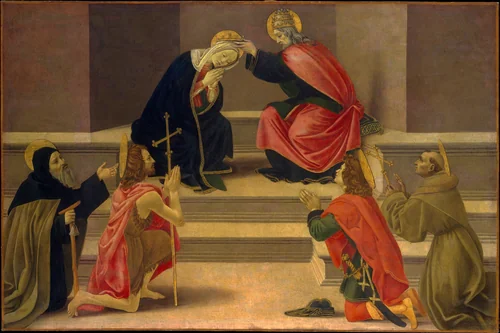
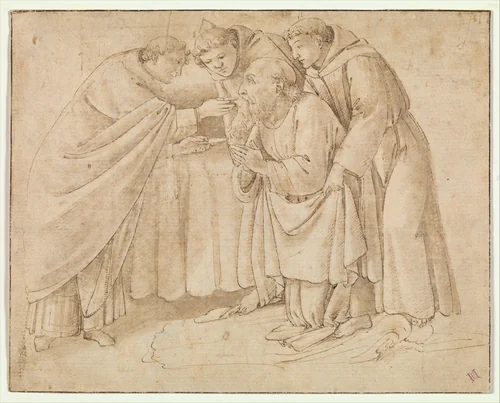
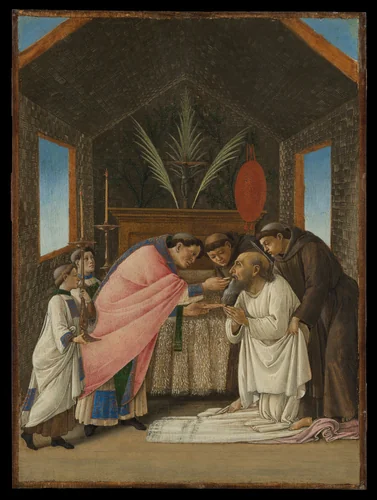
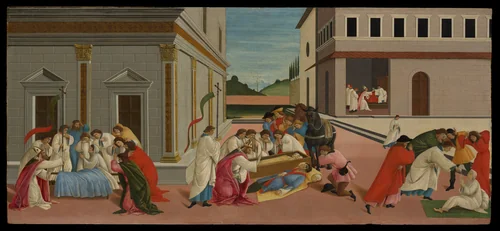
Botticelli’s distinctive aesthetic is characterized by an ethereal grace, emphasizing fluid outlines, elegant contours, and intricate, often wind-swept drapery. Though working squarely within the Italian Renaissance timeline, his style often incorporated the linear elegance traditionally associated with the late Italian Gothic period. This sophisticated synthesis resulted in emotionally resonant narrative pieces, wherein religious and mythological subjects were imbued with deep psychological complexity. Key examples include his intimate portrayal of The Last Communion of Saint Jerome and the serene, devotional complexity of The Coronation of the Virgin. These acclaimed Botticelli paintings demonstrate his capacity to elevate traditional subjects through inventive composition and meticulous execution.
Despite achieving considerable fame and patronage during his lifetime, Botticelli’s artistic reputation suffered a prolonged critical eclipse following his death. For several centuries, the anatomical focus and high drama of later Renaissance masters overshadowed his delicate, intellectual style. This disregard persisted until the latter half of the 19th century, when British artists, notably the Pre-Raphaelites, championed his work, stimulating a comprehensive reappraisal. It is perhaps one of art history's more curious footnotes that a painter so central to 15th-century Florentine culture required foreign poets and painters hundreds of years later to remind the world of his essential genius.
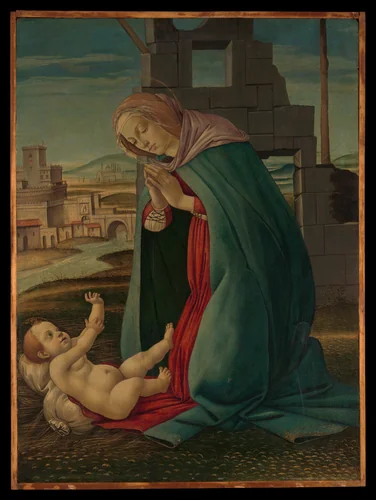
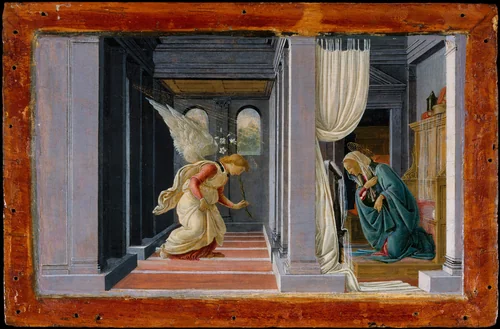
Today, Botticelli’s oeuvre is celebrated globally, forming the cornerstone of major international collections, including five paintings and one drawing held by the Metropolitan Museum of Art. The compositional clarity and emotional resonance of his works, such as The Nativity and The Annunciation, ensure their enduring appeal. Consequently, many high-quality prints and original source images are now widely available in the public domain, allowing institutions and individuals alike to access museum-quality digital files. This proliferation of downloadable artwork ensures that the legacy of Botticelli prints continues to resonate with contemporary audiences worldwide.
Source: Wikipedia · CC BY-SA 4.0