Binh Danh
Binh Danh is a pivotal figure in contemporary American photography, known for his unique integration of innovative chemical processes and profound explorations of memory, war, and the American natural environment. Active in the sphere of visual arts across the first two decades of the millennium, Danh gained significant recognition for pioneering the use of chlorophyll prints and reinterpreting the historical daguerreotype. His work is held in major institutional collections, including the National Gallery of Art.
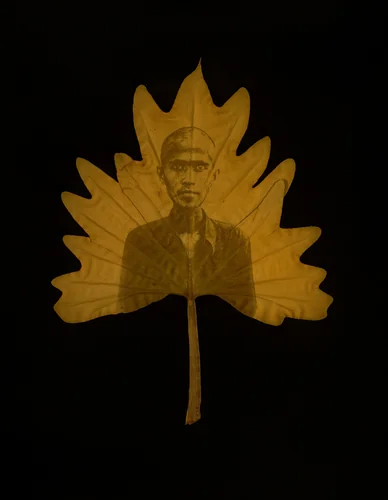
Danh’s signature technique involves the creation of chlorophyll prints—a meticulous process where images are exposed onto living plant leaves, allowing the natural organic structure of the leaf to become the photographic surface. This method imbues the resultant high-quality prints with themes of mortality and regeneration, linking the fragility of biological life with the instability of historical recollection.
Danh often applies this ephemeral medium to subjects of intense historical weight, addressing conflict and immigration, particularly in relation to the Vietnam War. Works such as Ghost of Tuol Sleng Genocide Museum #1 treat historical trauma not as a fixed archive but as a continuous, living event, where the decay inherent in the organic medium parallels the fading or distortion of memory over time.
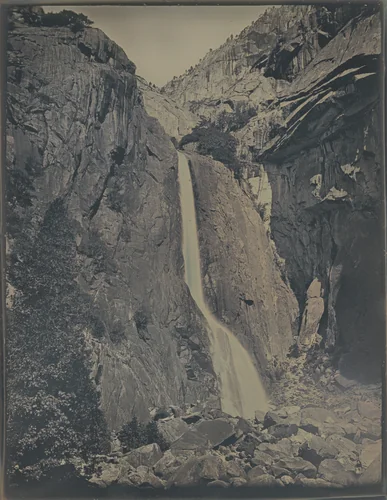
His practice, however, is not strictly historical. Danh simultaneously investigates the enduring imagery of the American landscape, finding complex relationships between nature and national identity in photographs like Lower Yosemite Falls, Yosemite, CA, October 13, 2011.
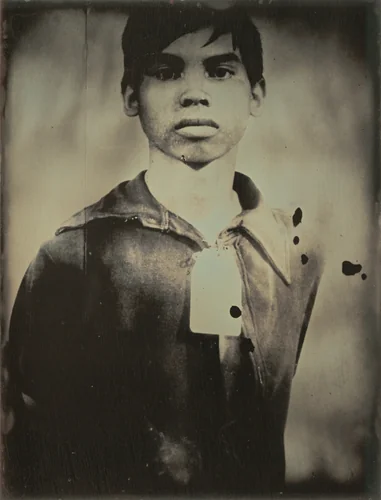
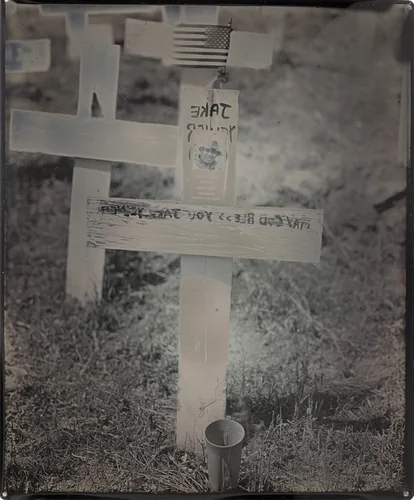
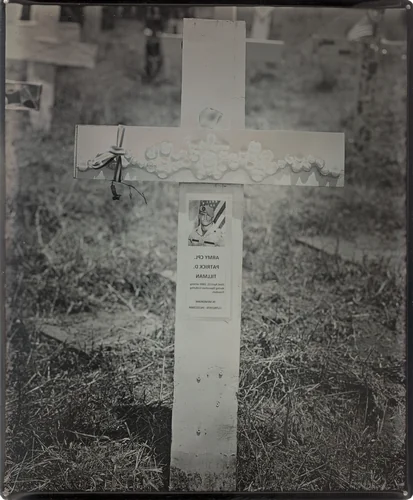
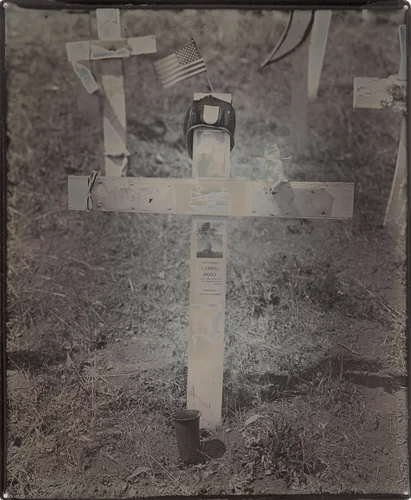
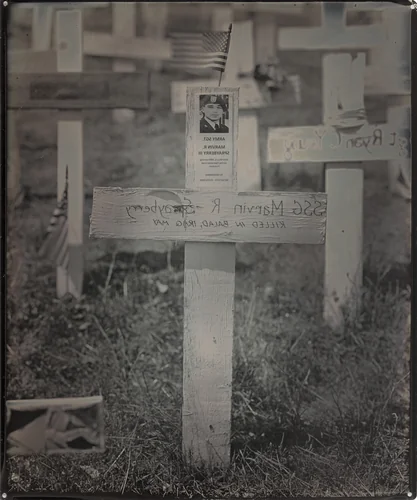
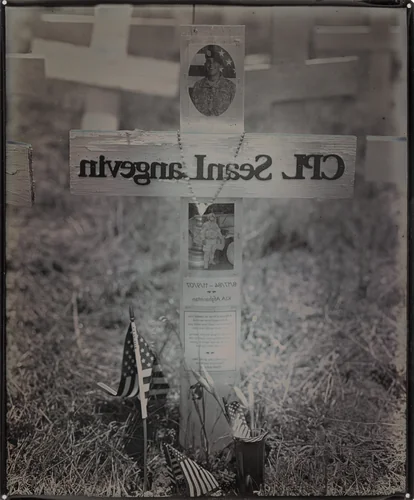
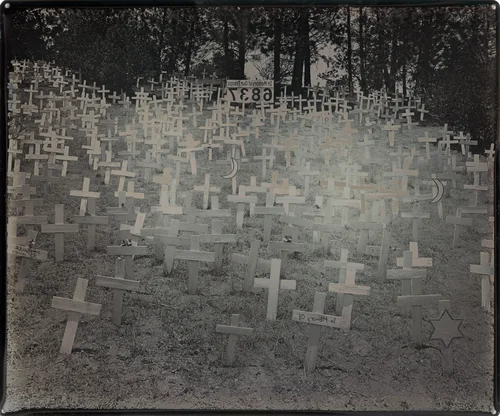
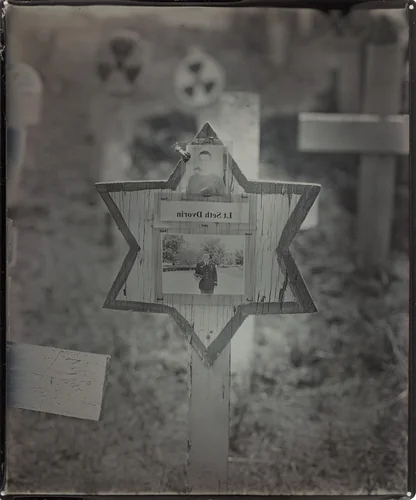
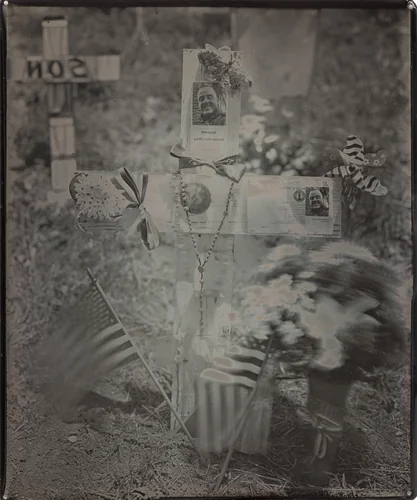
In striking contrast to the organic nature of the chlorophyll prints, Danh also employs the highly reflective, 19th-century daguerreotype process. He utilized this medium to create solemn portraits of contemporary American service members who lost their lives in service, including Army CPL. Patrick D. Tillman and AMN Jonathan Antonio "Jake" Yelner. The visual result is a fascinating temporal collision, rendering contemporary figures via a complex process that predates the Civil War, underlining the cyclical nature of sacrifice.
Danh’s rigorous conceptual framework, coupled with his technical mastery, ensures that Binh Danh prints remain relevant within discussions of environmental art and photographic history. His ability to synthesize the personal narratives of immigration and conflict with the universal symbolism of the natural world has firmly established his unique position in the field.
Source: Wikipedia · CC BY-SA 4.0