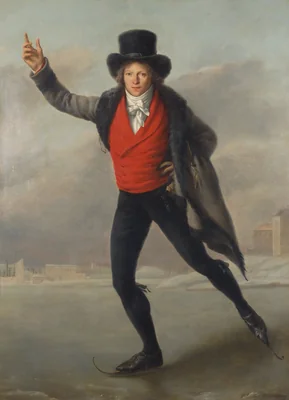
Bertrand Andrieu
Bertrand Andrieu stands as one of the pivotal figures in the history of French medallic art. Born in Bordeaux, he was active around the turn of the nineteenth century and is widely credited by contemporaries with having successfully restored the art of engraving medals to its former stature, an art form that had languished in France since the grandeur of the Louis XIV era. His technical skill, deep classical sensibility, and rigorous attention to detail positioned him perfectly to serve the ambitions of the new imperial government.
For the last two decades of his life, Andrieu became the official, and effectively exclusive, choice of the French government for every major work of importance. This high level of state patronage transformed the small-scale medal into the premier instrument of state propaganda and historical record, capturing the defining military and political achievements of the era in enduring metal. He was, essentially, the visual historian of Napoleonic triumph, working at a pace few engravers could manage, given the rapid succession of military victories requiring immediate commemoration.
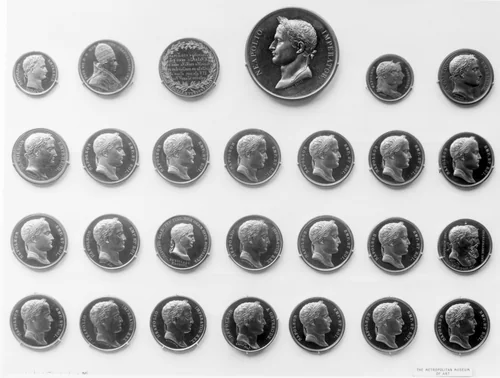
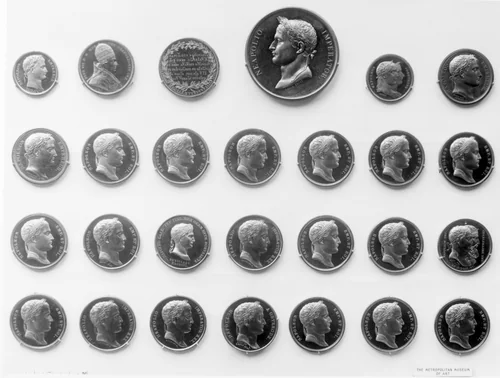
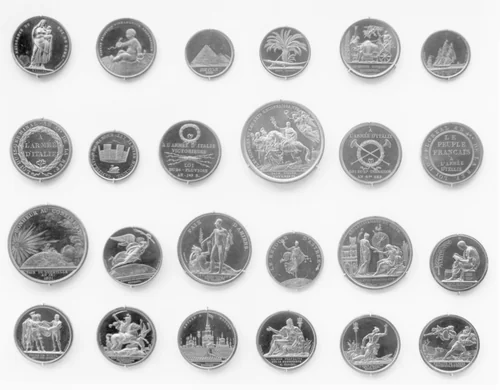
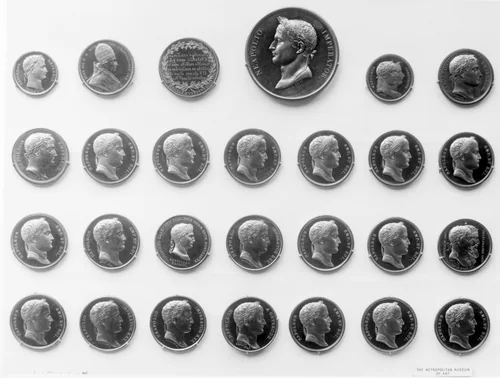
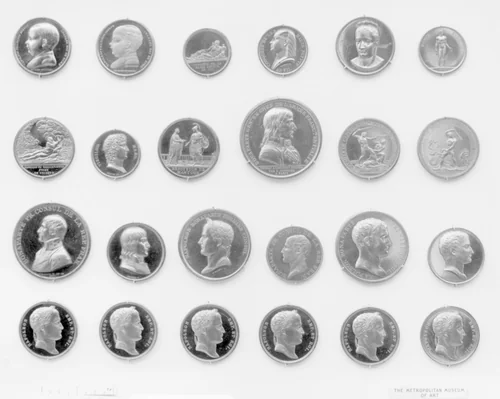
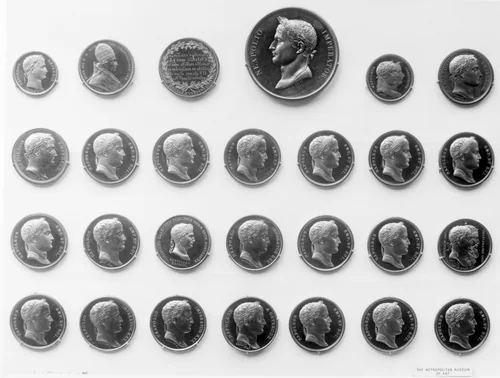
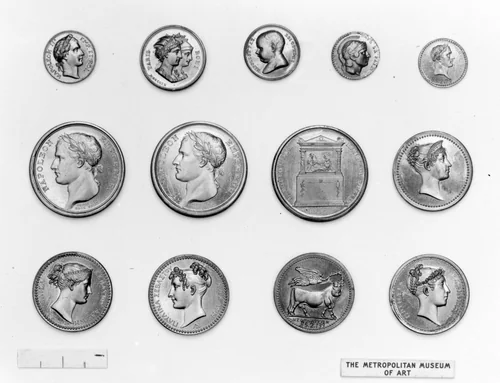
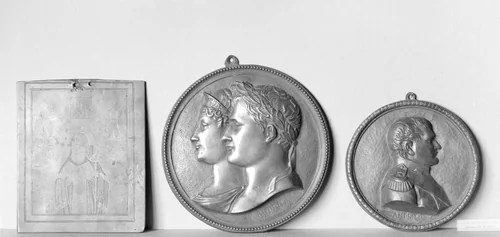
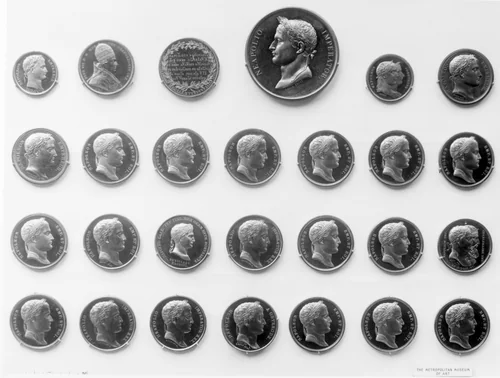
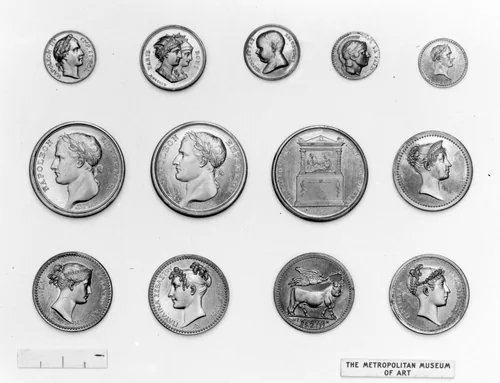
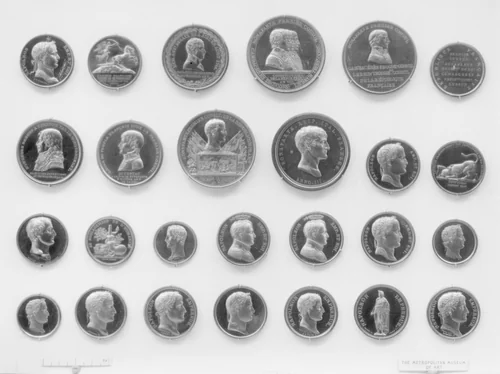
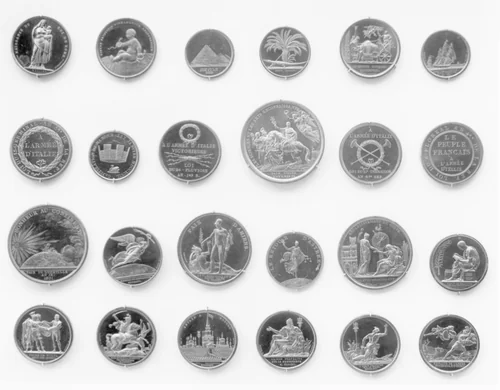
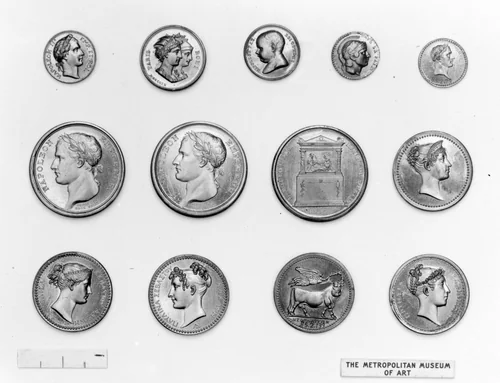
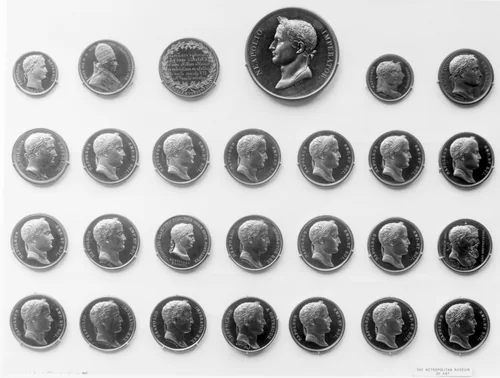
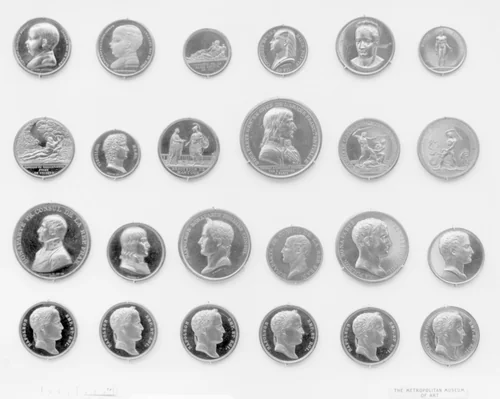
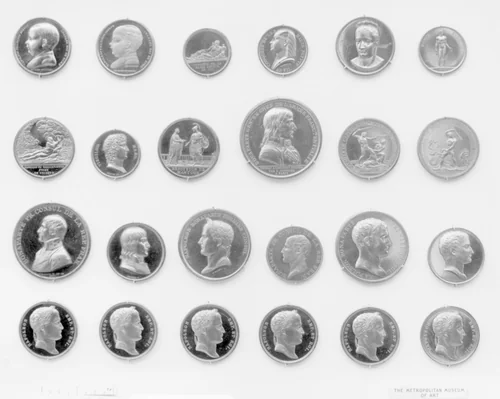
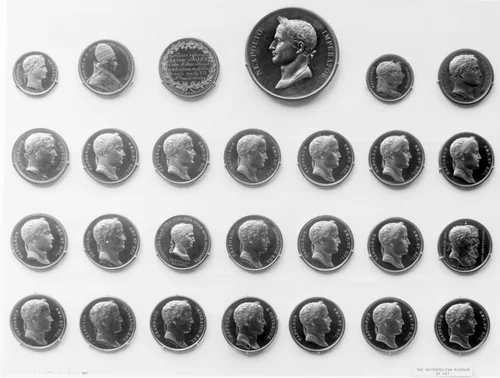
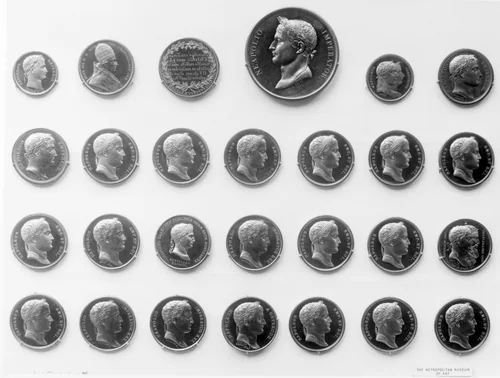
His extensive catalogue documents the key moments of the imperial saga. Notable commissions include the powerful compositions Battle of Eylau (1807) and Battle of Friedland (1807). He also created the unifying piece Coincident Memorial of Marengo and Friedland, which sought to link the early successes of the Consulate with the later glories of the Empire. Later works, such as Battle of Moskowa (1812) and the highly descriptive Entry into Moscow (1812), document the dramatic scope of the Russian campaign.
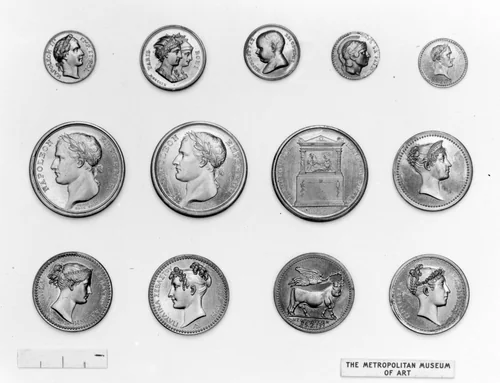
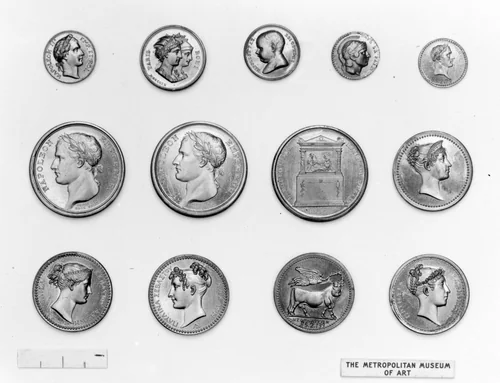
While the original physical metalworks reside in major institutions, including the Metropolitan Museum of Art, many of Andrieu’s precise and detailed renderings are now available as downloadable artwork through the public domain, offering historians and enthusiasts access to these museum-quality records. Bertrand Andrieu prints remain vital primary sources for understanding how the Napoleonic regime wished its story to be etched into history.
Source: Wikipedia · CC BY-SA 4.0