Bertoldo di Giovanni
Bertoldo di Giovanni (active approximately 1430–1480) holds a significant position among Quattrocento masters, bridging the stylistic gap between the Early and High Renaissance in Florence. As an Italian Renaissance sculptor and medallist, his artistic output was concentrated almost exclusively in bronze metalwork—a medium demanding technical precision and often serving crucial political or commemorative purposes. While records indicate relatively few surviving pieces—approximately nine known metalworks exist today, held in major institutions like the Metropolitan Museum of Art—their influence far outweighs their small number, particularly in shaping the trajectory of subsequent Florentine sculpture.
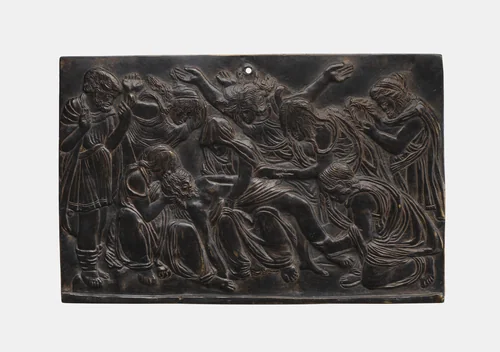
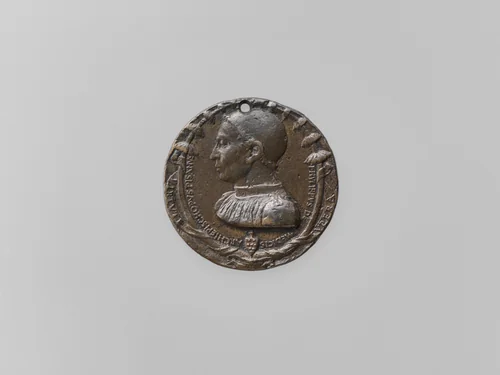
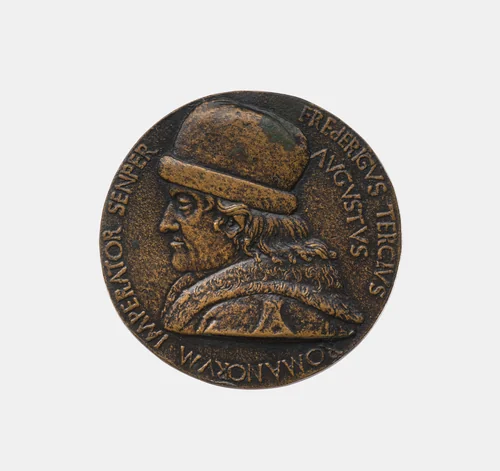
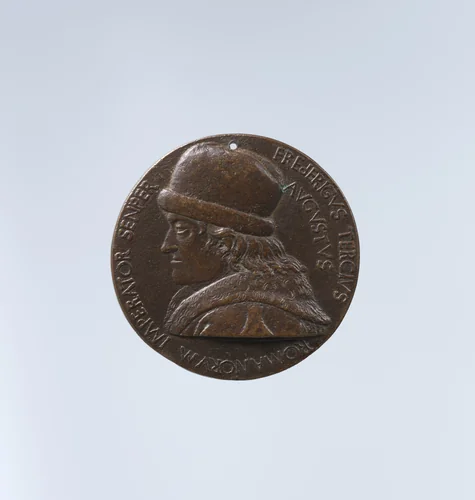
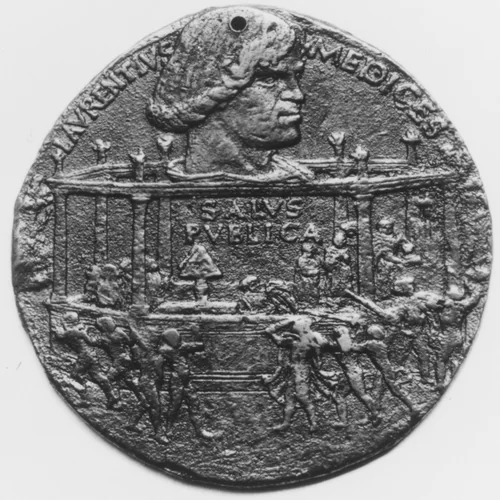
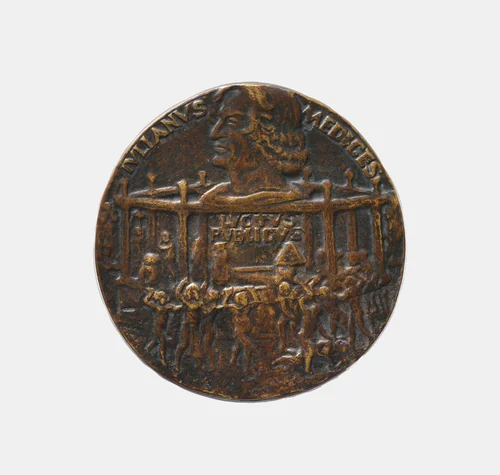
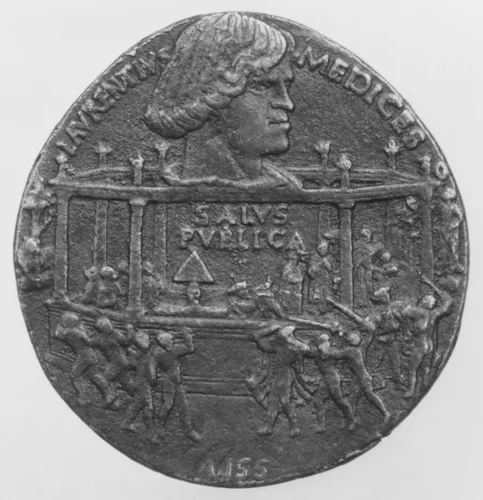
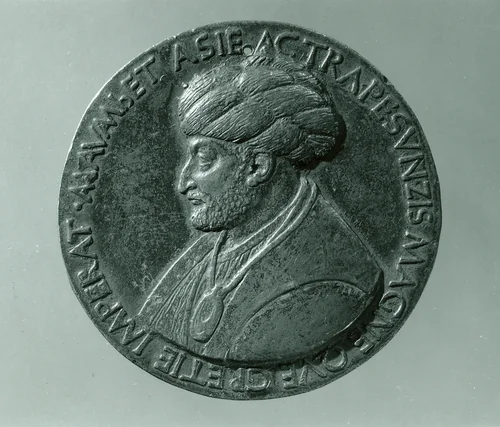
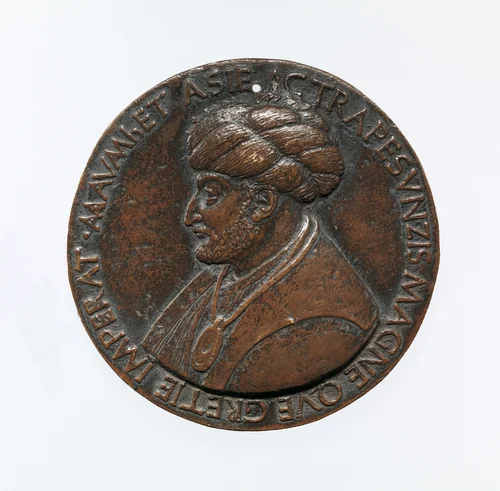
Bertoldo excelled in the demanding format of the portrait medal, a revival of classical Roman currency that served as a powerful tool for Renaissance self-fashioning and propaganda. His work in this area displays a confident realism paired with dramatic narrative composition. Notable examples include his detailed commemoration, The Resurrection of the Dead and the Last Judgment (reverse) paired with the Portrait Medal of Filippo de' Medici, Archbishop of Pisa (obverse), and the striking dual renditions of the Holy Roman Emperor, Frederick III. Perhaps his most historically charged piece is the medal To Commemorate the Pazzi Conspiracy, 1478, which captures the political turbulence of Florence with chilling specificity. These works provide historians and collectors with museum-quality records of contemporary figures and events.
While the majority of his surviving pieces are small-scale medals and reliefs, they are characterized by a refined classicism and dynamism. Bertoldo operated primarily within the orbit of the powerful Medici family, placing him at the epicenter of Florentine patronage and intellectual life. A subtle element of Bertoldo’s enduring legacy lies in his role as a mentor; he reputedly ran a sculpture school in the Medici gardens, a training ground known to have included a very young Michelangelo Buonarroti. His focus on classical motifs and narrative detail ensured his techniques and designs found wide appeal. Today, high-quality prints featuring details from his famous reliefs and medals are often available for study in the public domain, ensuring this Renaissance sculptor’s meticulous craftsmanship remains accessible to a modern audience.
Source: Wikipedia · CC BY-SA 4.0