Bernardo Strozzi
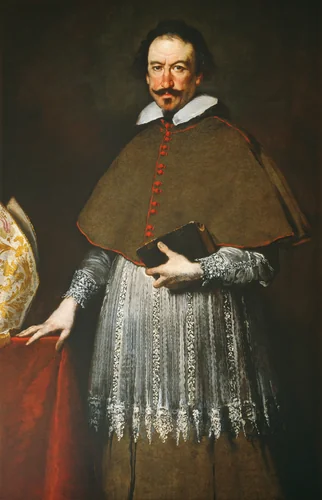
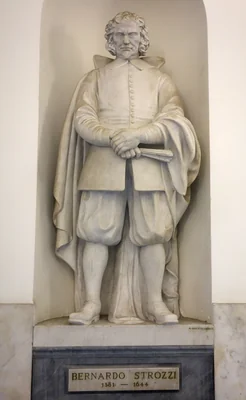
Bernardo Strozzi (1581-1644) stands as a pivotal figure in the dissemination of the Baroque aesthetic across Italy, renowned particularly as the principal founder of the style in 17th-century Venetian painting. Known throughout his career by his monastic aliases, il Cappuccino and il Prete Genovese, Strozzi’s trajectory took him from his native Genoa to Venice, leaving a substantial artistic imprint on both major centers of the Italian Peninsula.
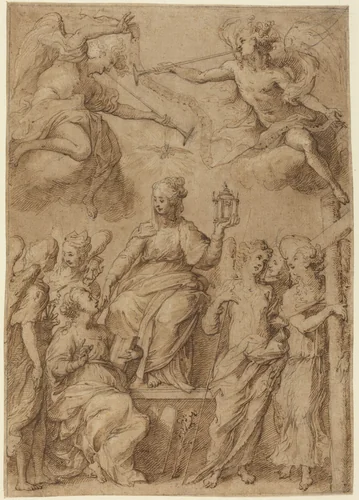
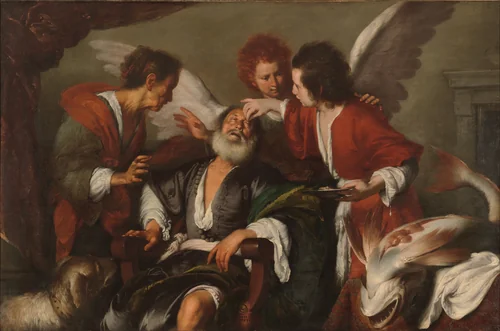
Initially active primarily in Genoa, Strozzi established himself as a master of both canvas and fresco, quickly demonstrating a remarkable versatility that defined his career. His prolific output encompassed an exceptionally wide subject range, including history painting, complex allegories such as Ecclesia Surrounded by Angels Holding the Instruments of the Passion, genre scenes, portraits, and sophisticated still lifes. This breadth ensured his immediate relevance to both clerical and aristocratic patrons.
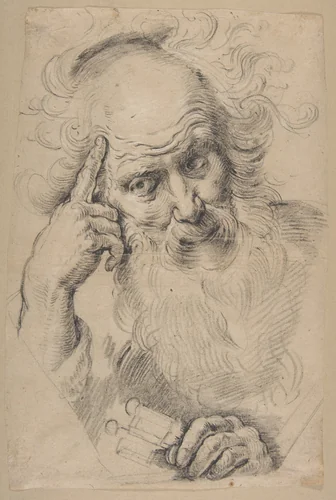
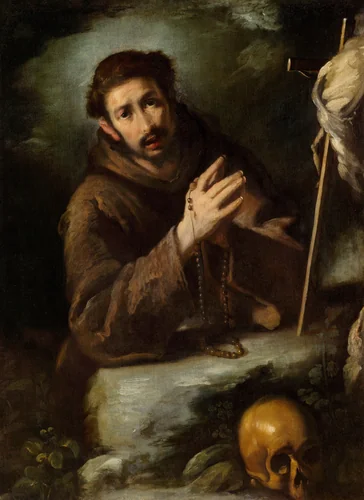
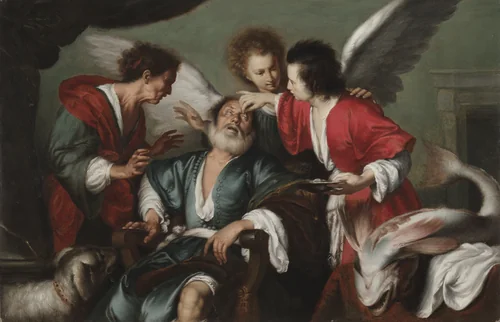
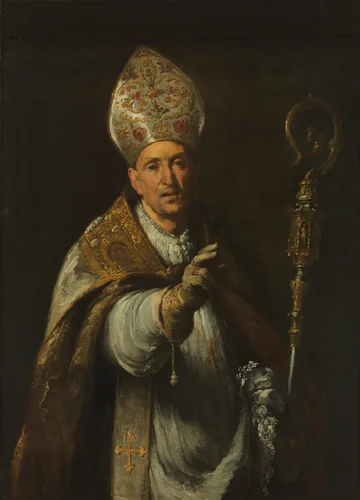
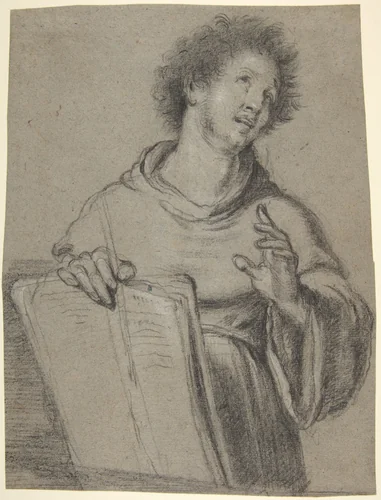
Strozzi’s distinctive technique is characterized by rich, glowing color palettes and broad, energetic brushstrokes that lend his figures a powerful, immediate vitality. This robust approach to surface texture and light distinguished his Bernardo Strozzi paintings from earlier, more restrained regional traditions. Early successes, including devotional works like Saint Peter, established the visual dynamic he would carry throughout his career.
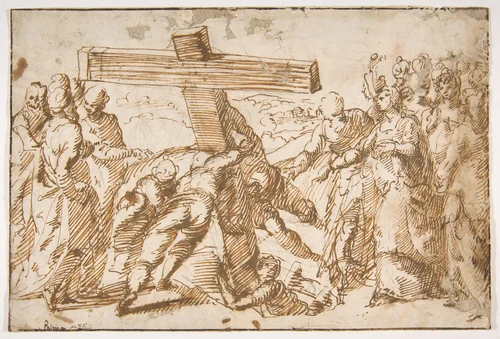
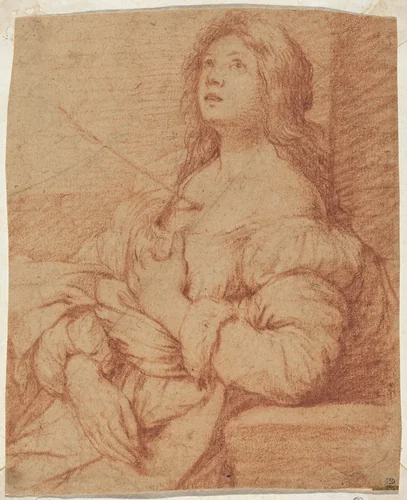
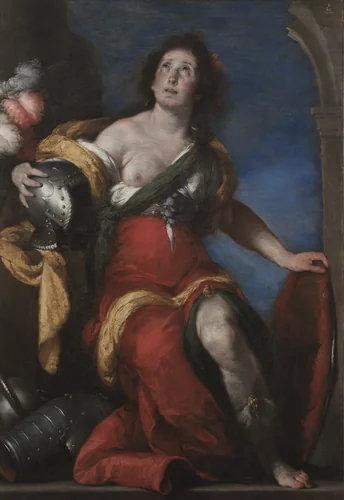
Strozzi’s significant move to Venice later in life proved instrumental in fusing the robust naturalism of the Genoese School with the luminous color traditions of the Venetian masters, cementing his historical significance. This late, highly productive period yielded monumental pieces like Saint Ursula and the dynamic narrative The Discovery of the True Cross. The frequent references to his clerical status offer a subtle reminder that the painter of vibrant genre scenes and intense devotional subjects maintained a lifelong connection to the Capuchin order, a dual identity seemingly reflected in the spiritual energy of his mature work.
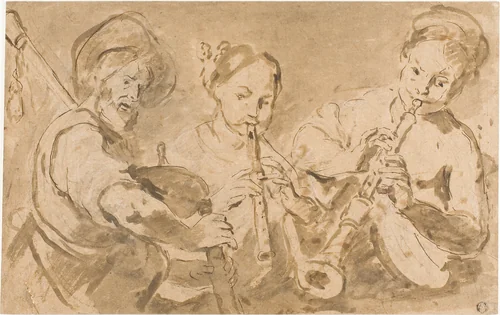
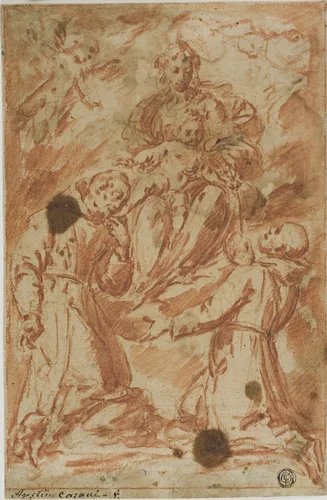
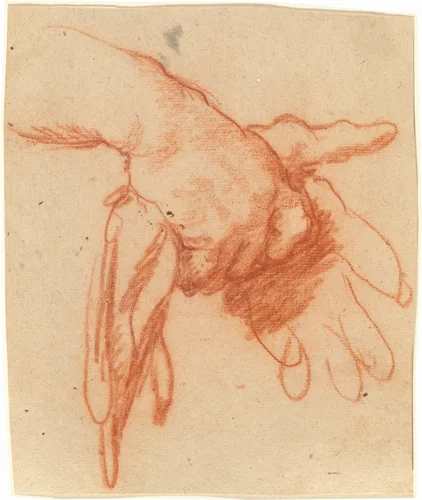
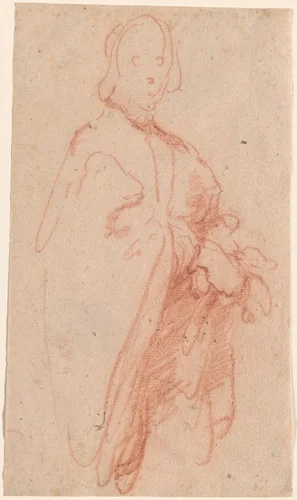
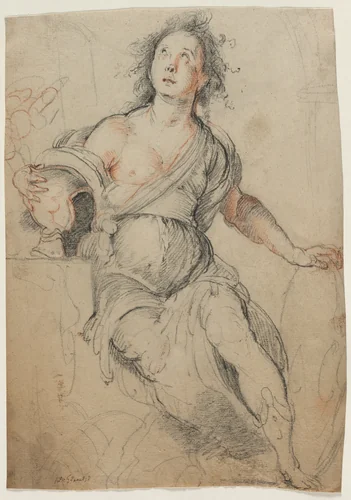
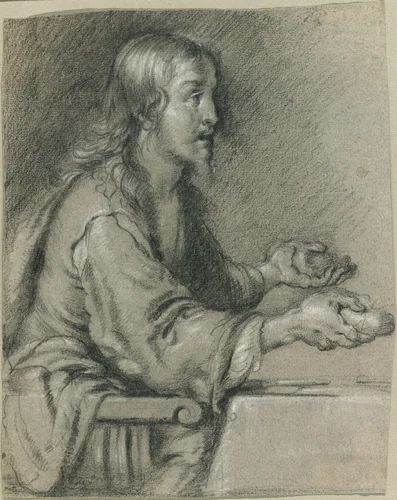
Today, the enduring quality of Strozzi’s draftsmanship and painting is recognized globally; original works are held in premier institutions such as the Metropolitan Museum of Art and the National Gallery of Art. His influential career yielded not only major altarpieces but also smaller, equally powerful studies, including drawings like Three Musicians Playing Horns and Pipe. Thanks to initiatives making high-quality prints and downloadable artwork available, the powerful impact of Strozzi’s Baroque vision remains accessible to contemporary audiences.
Source: Wikipedia · CC BY-SA 4.0