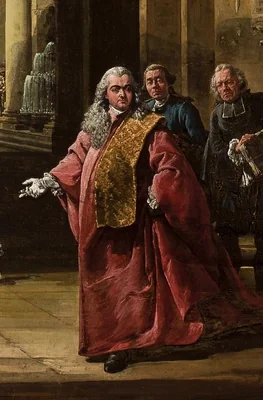
Bernardo Bellotto
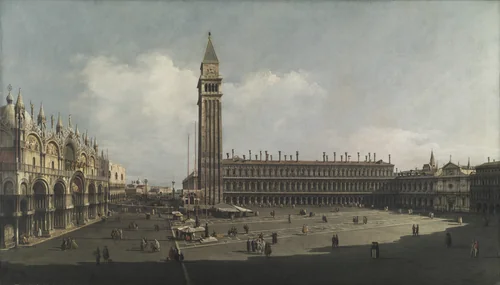
Bernardo Bellotto was a pivotal Italian vedutista, or urban landscape painter, renowned for meticulously detailed views rendered across Europe in both paint and print. Active primarily in the 18th century, Bellotto distinguished himself not only through the quality of his observation but by expanding the veduta genre beyond his native Venice, establishing himself as the primary visual chronicler of court cities including Dresden, Vienna, Turin, and Warsaw.
Born into a family already dominant in the genre, Bellotto trained under his illustrious uncle, Giovanni Antonio Canal, known universally as Canaletto. While the younger artist mastered the precise architectural drafting required of the tradition, he frequently adopted his uncle's name, signing works or presenting himself as "Canaletto," particularly while working in Germany and Poland. While this may have been an effective branding strategy at the time, it created a lasting confusion in art historical records that historians continue to parse. Astute viewers, however, recognize Bellotto’s mature style: a dramatically somber color palette and a pronounced emphasis on clouds and shadow, qualities that bring his technique closer to the nuanced atmosphere of Dutch painting than the sunlit clarity typically favored by his relative.
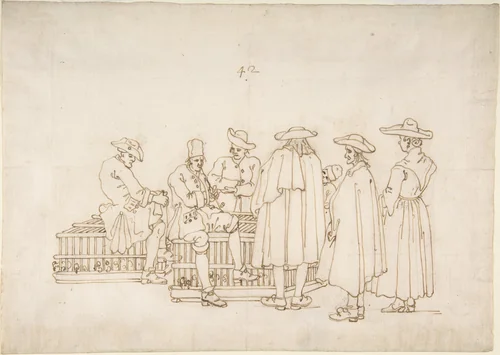
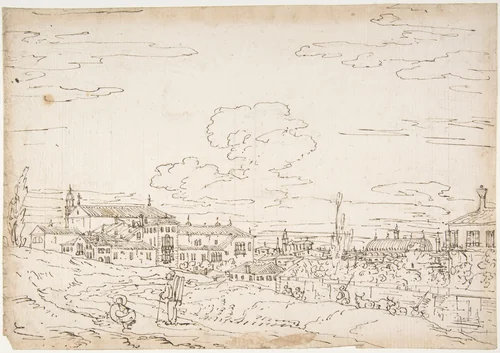
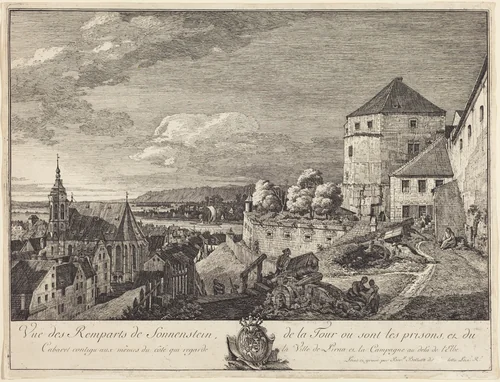
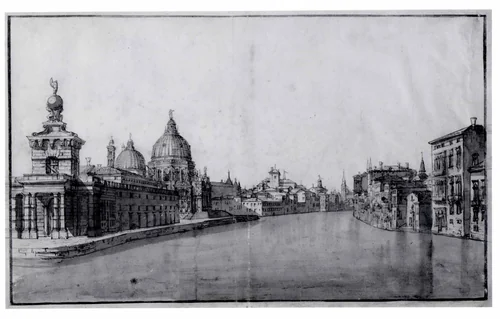
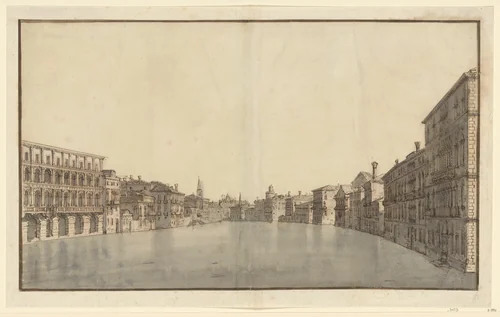
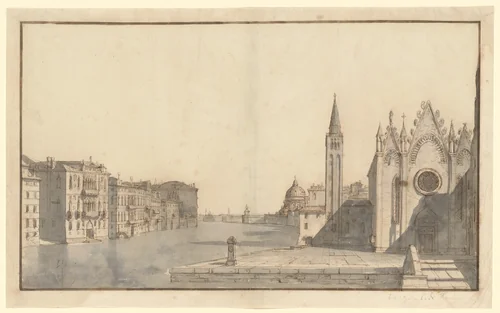
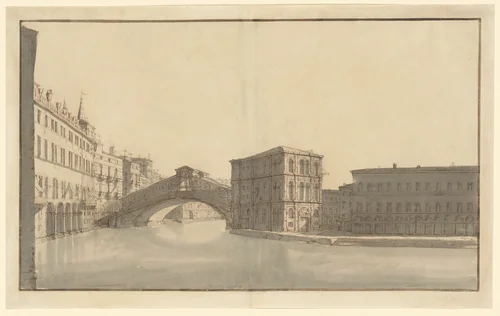
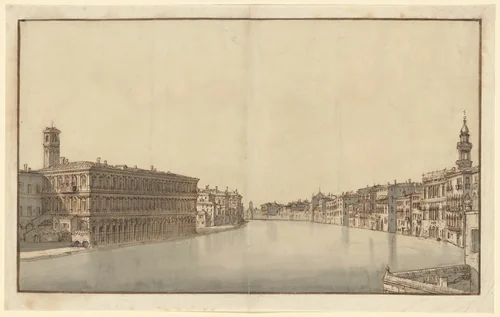
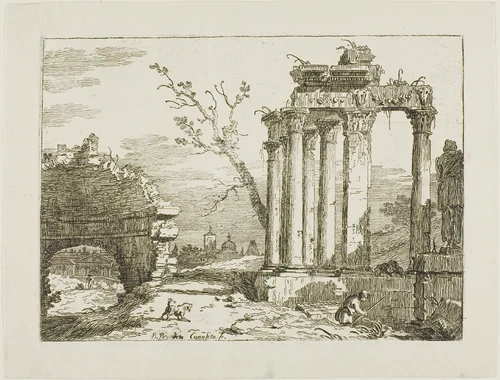
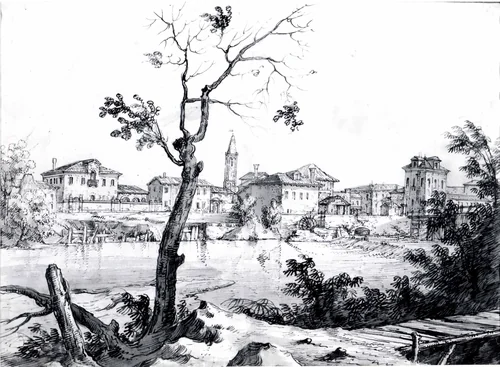
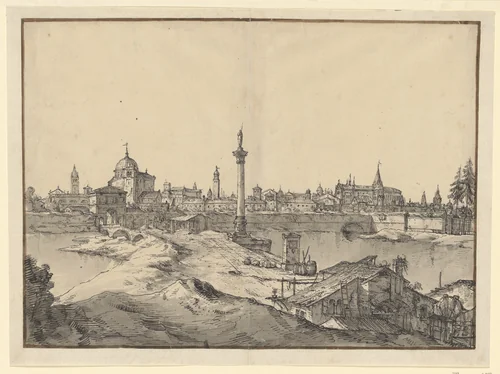
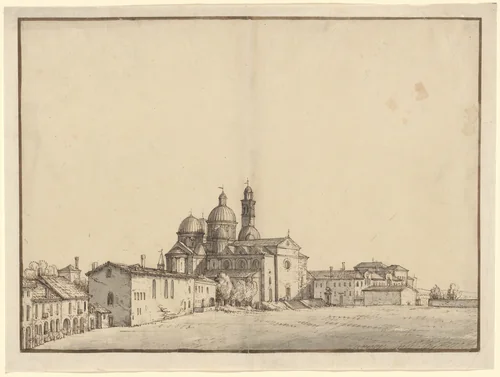
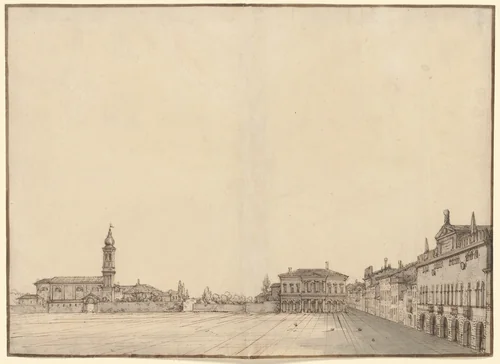
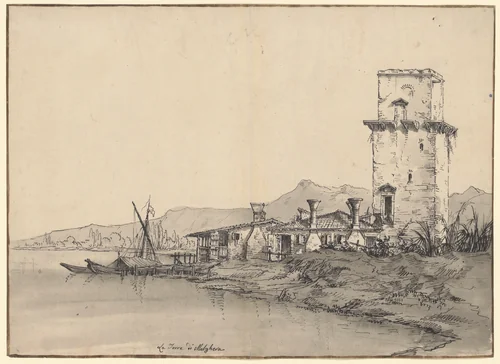
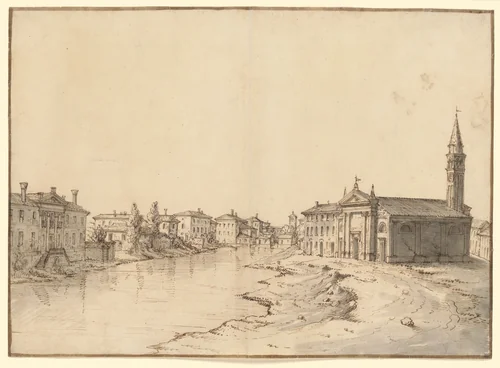
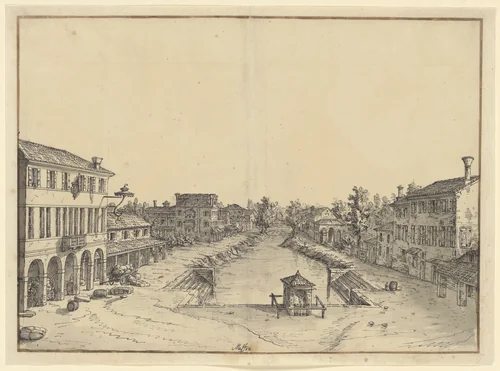
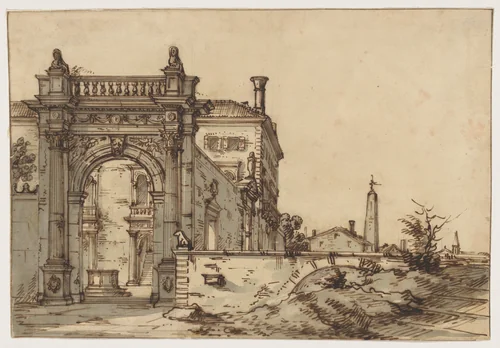
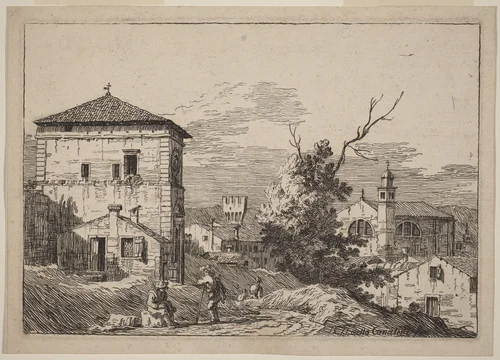
Bellotto’s output was diverse, encompassing twelve known drawings, multiple etchings, and finished oil paintings, many of which now reside in collections like the Metropolitan Museum of Art and the Art Institute of Chicago. His works range from intimate figure studies, such as A Group of Figures Surrounding Two Bird-coops, to grand topographical vistas including Padua from the East, with San Francesco and the Salone and the precise architectural study Vue des Remparts de Sonnenstein (View of the Ramparts of Sonnenstein).
His masterful use of etching allowed many of these compositions to circulate widely as Bernardo Bellotto prints, cementing his international reputation. Today, many of his most important works reside in the public domain and are frequently sought after for high-quality prints, ensuring that his meticulous, atmospheric records of 18th-century Europe continue to inform modern viewers.
Source: Wikipedia · CC BY-SA 4.0