Bernardino Poccetti
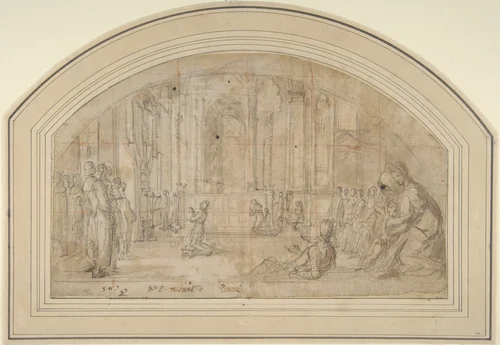
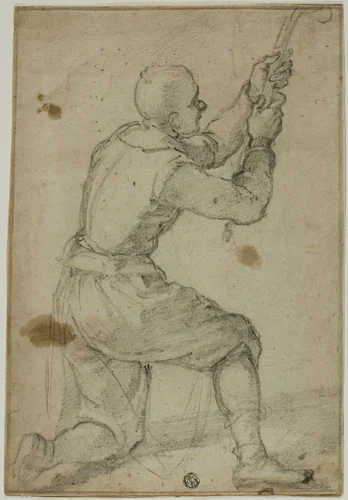
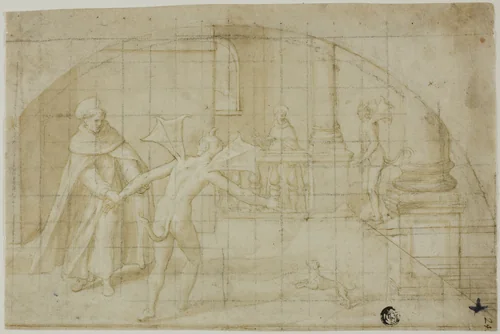
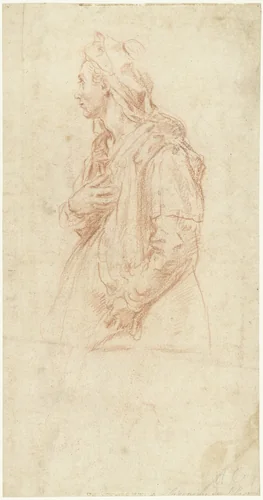
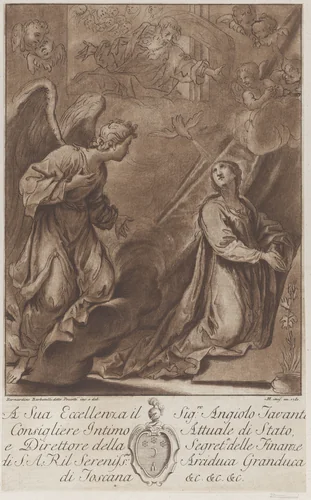
Bernardino Poccetti, also recognized by the surname Barbatelli, stands as an influential Italian painter and highly inventive printmaker of etchings within the late Mannerist tradition. Active prominently during the period documented between 1548 and 1558, Poccetti’s contributions span both large-scale painting and the demanding precision of decorative graphic art. His work displays the characteristic sophistication of the mid-sixteenth century Florentine school, embracing complex allegorical forms and a rigorous attention to ornamental detail.
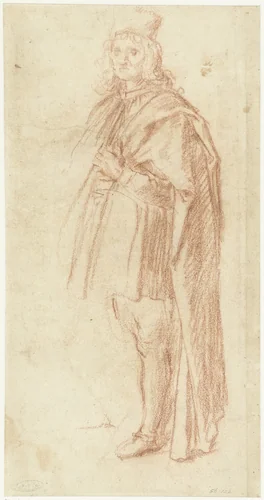
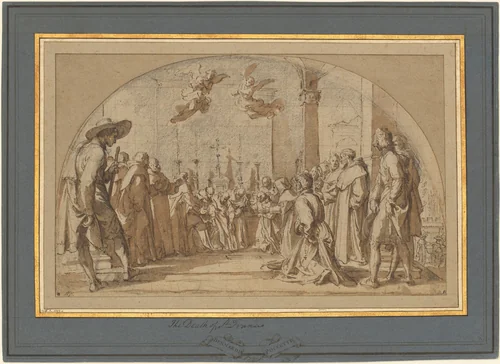
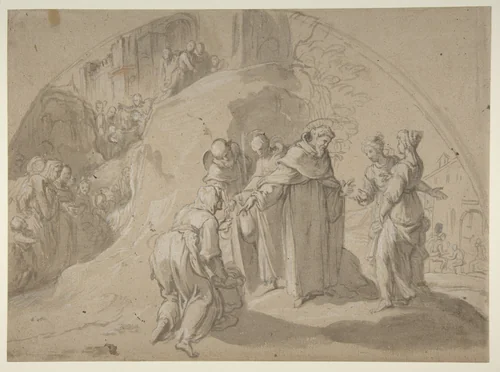
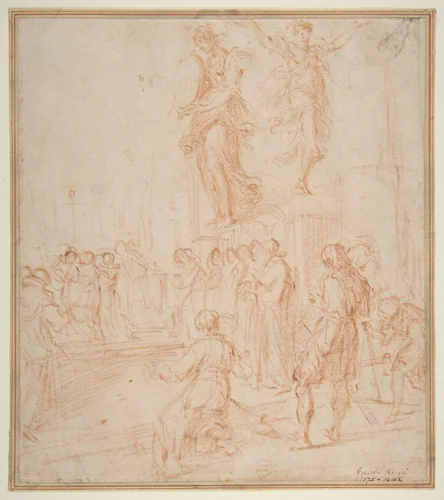
Poccetti’s enduring historical importance is often rooted not only in his work as a painter, but in his prolific output of preparatory studies and finished designs, many of which were intended for architectural embellishment, furniture, or specialized utensils. The extant collection of fourteen drawings and one print underscores his versatility. Designs range from the fancifully practical, such as the carefully rendered Design for Pointed Utensil with an Egyptian Style Figure on the Handle, to pure fantasy, exemplified by Design with Two Winged Female Figures and a Putto.
The intellectual curiosity of Mannerism is clearly evident in Poccetti’s approach to ornamentation. Studies like Designs for Cartouche (recto and verso) and Ornamental Designs After Antique Vases reveal a preoccupation with adapting classical motifs for contemporary tastes, often imbuing them with a vibrant, almost restless energy. These works confirm his status as a key source of inspiration for subsequent generations of decorative artists. Furthermore, the inclusion of fragmented, often evocative studies, such as Sea Monster (in two fragments), demonstrates the premium placed on even preliminary visual notes during this era.
The dispersal of his drawings across major institutions, including the Rijksmuseum, the Metropolitan Museum of Art, and the National Gallery of Art, confirms Poccetti’s significance in the history of design. For scholars and artists today, access to these visual records is streamlined. The increasing availability of Bernardino Poccetti prints and museum-quality digital reproductions ensures that his contributions to Mannerism transition effectively into the public domain, offering invaluable, royalty-free resources for the study of sixteenth-century Italian graphic arts.
Source: Wikipedia · CC BY-SA 4.0