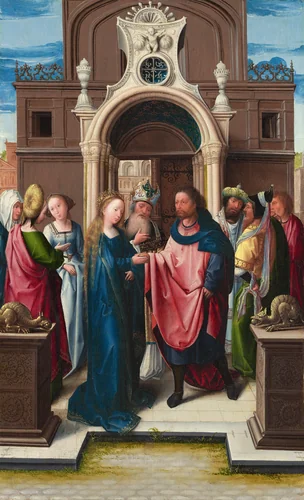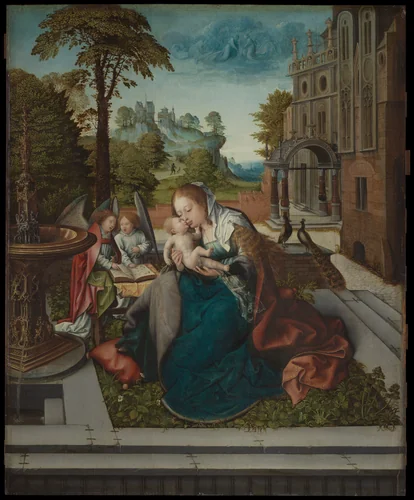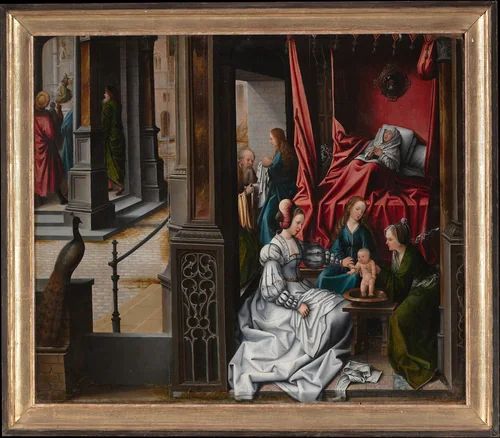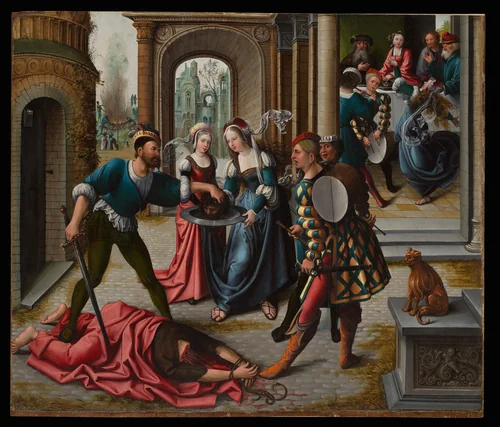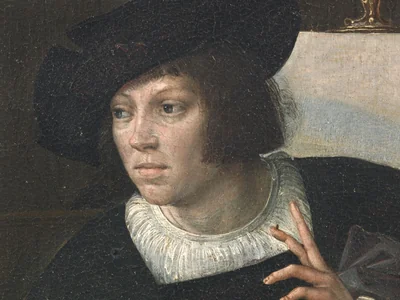
Bernard van Orley
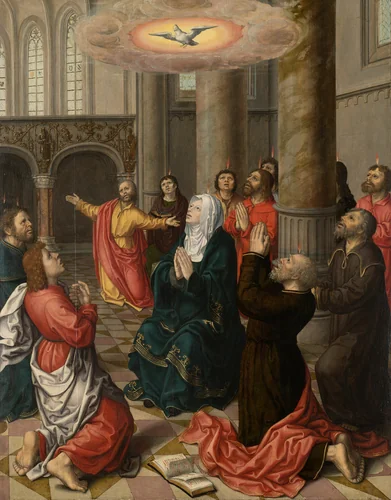
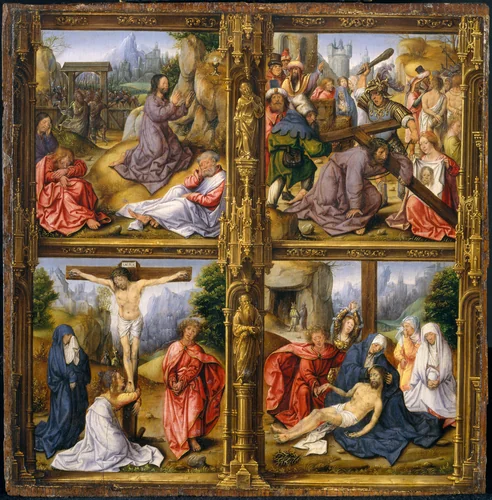
Bernard van Orley (c. 1488-1541) stands as one of the most significant and prolific figures of the Dutch and Flemish Renaissance. A profoundly versatile artist, he moved seamlessly between the demanding mediums of panel painting and the monumental scale required for tapestry and stained-glass design, reflecting the sophisticated patronage demands of Brussels in the early 16th century. His comprehensive body of work fundamentally bridged the established Northern tradition with emerging continental styles, positioning him as a leading artistic voice in the court of Margaret of Austria.
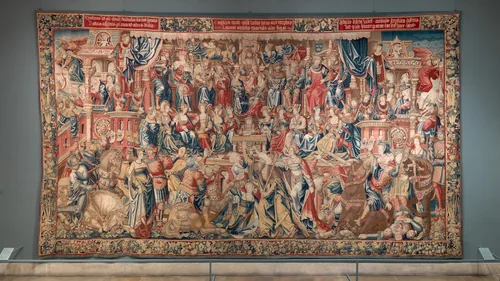
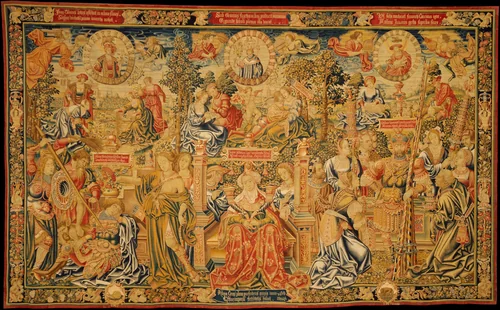
Although active entirely in the Low Countries, Van Orley is classified among the "Romanists," a generation of Flemish painters who enthusiastically embraced the ideals of the Italian High Renaissance. Critically, Van Orley achieved this synthesis without ever visiting Italy. His detailed compositional planning and figural gravitas owe a substantial debt to the style of Raphael, absorbed primarily through prints and drawings circulating rapidly across Europe. This second-hand yet powerful assimilation allowed his style to evolve rapidly, lending works like Honor a distinctly classical structure that was innovative for Northern European art of the era. The surviving Bernard van Orley paintings demonstrate his mastery of color and narrative clarity.
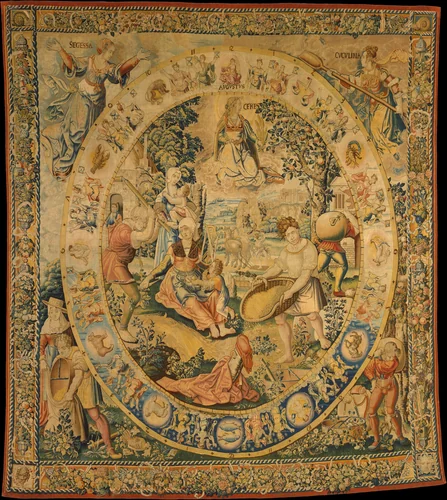
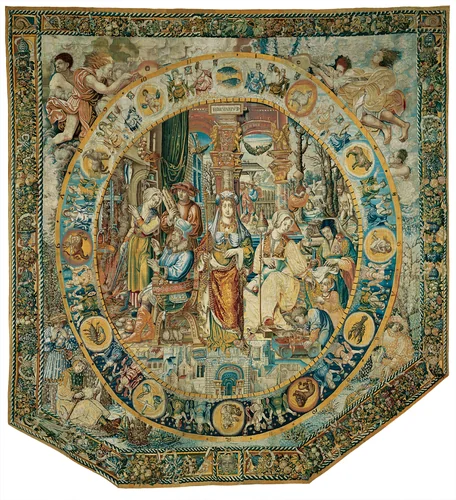
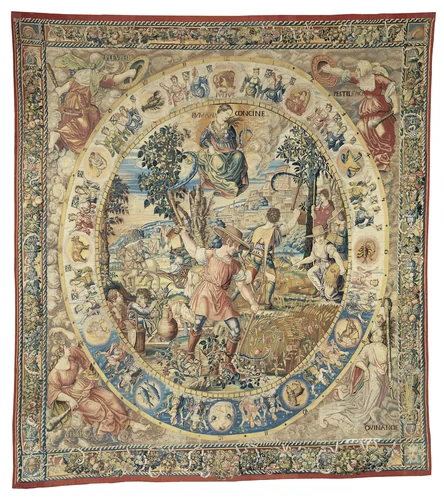
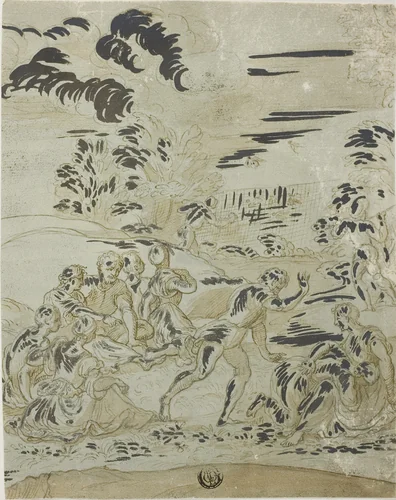
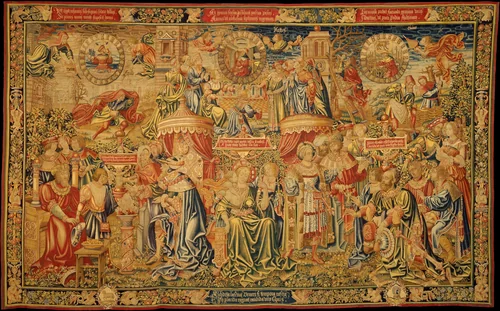
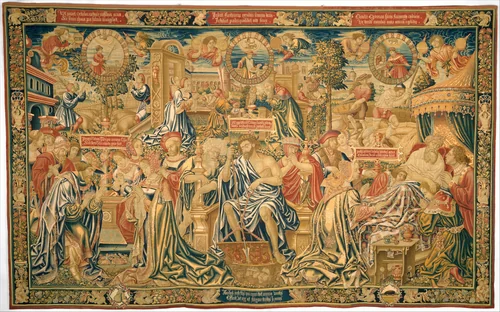
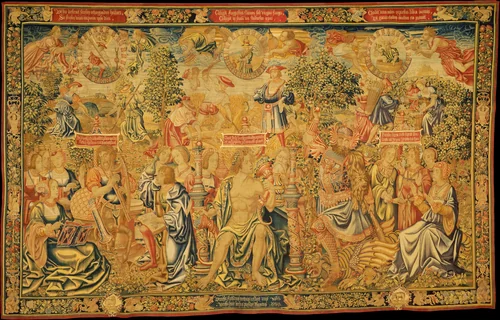
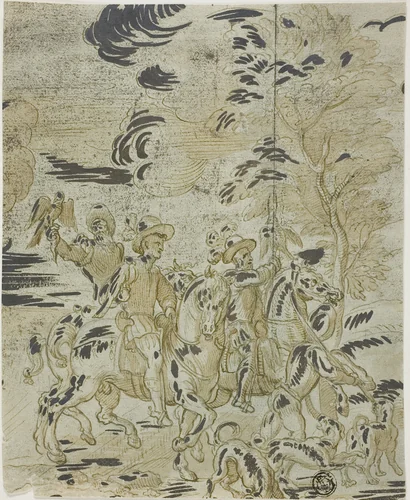
Van Orley’s greatest impact may reside in his textile designs, where his skill in drafting elaborate, multi-figure compositions was paramount. Series such as The Honors (from which Honor originates) and his extensive narrative cycles, including The Twelve Ages of a Man (represented by The First Three Ages [Birth-18], or Spring, and The Last Three Ages [54-72], or Winter), provided foundational prototypes for generations of Flemish weavers. His large-scale narrative pieces, such as Pastoral Scene: Men Hunting Birds, Couples Seated on Ground, reveal a keen interest in complex secular themes and detailed observation of daily life rarely seen in earlier religious works. Today, his enduring legacy is evident in major global institutions, including the National Gallery of Art, the Metropolitan Museum of Art, and the Art Institute of Chicago. Because many of his foundational works are now in the public domain, students and enthusiasts can acquire high-quality prints reflecting his innovative Northern Renaissance sensibility.
Source: Wikipedia · CC BY-SA 4.0
![Christ among the Doctors [obverse] by Bernard van Orley, painting, 1513](https://img.artbee.org/9acd6d65-dc0d-4ed4-b9aa-18011eab4ebf/small.webp)
![Putto with Arms of Jacques Coëne [reverse] by Bernard van Orley, painting, 1513](https://img.artbee.org/b40d671c-7bd0-42ed-9c5c-940bded312d9/small.webp)