Bernard Lens
The name Bernard Lens denotes not one, but three distinct generations of artists and practitioners active in Great Britain from the mid-17th century well into the Georgian era, creating a rich, if sometimes complex, legacy. This powerful artistic lineage, whose works are preserved today in major institutions like the Rijksmuseum and the Metropolitan Museum of Art, demonstrates a remarkable adaptability to prevailing tastes, shifting from literary pursuits to technical printmaking and high-society portraiture.
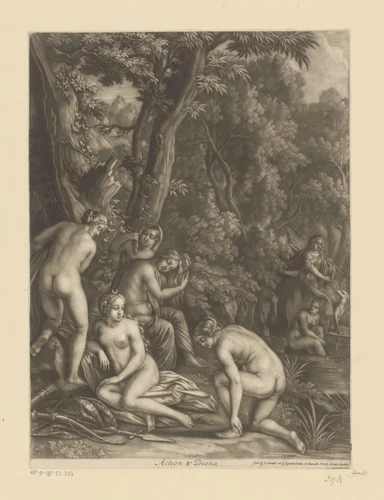
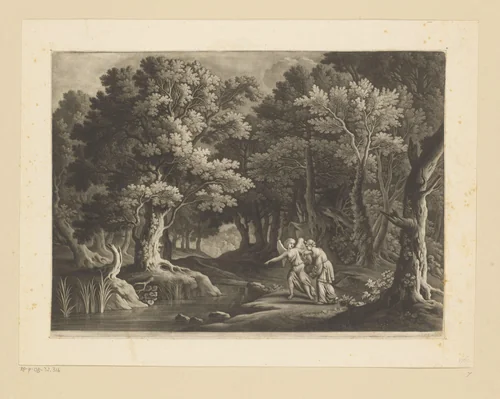
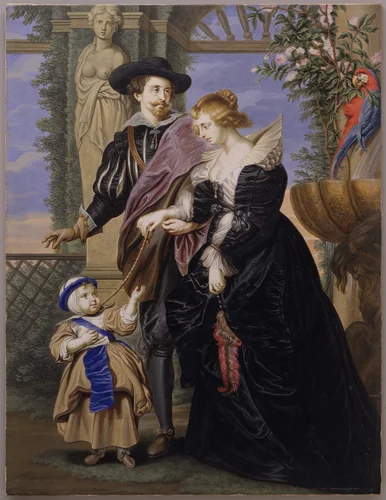
Bernard Lens I (1630–1707) established the family’s presence, though his primary known activities included religious writing, suggesting an intellectual foundation likely imported from his probable Dutch origins. It was his son, Bernard Lens II (1659–1725), who focused entirely on visual arts, specializing as a mezzotint engraver. This crucial printmaking technique allowed for the nuanced reproduction of tones, making him instrumental in circulating complex imagery to a wider public. His works, such as the mythological scene Actaeon en Diana and the biblical rendering Een engel wijst Hagar op een bron, exemplify the widespread demand for high-quality prints reproducing grand compositions. The surviving body of Bernard Lens prints confirms the high standard of technical execution required for museum-quality designation.
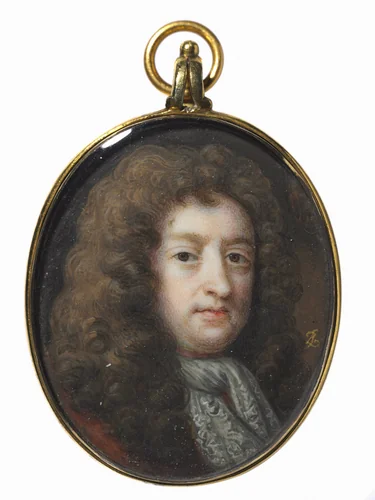
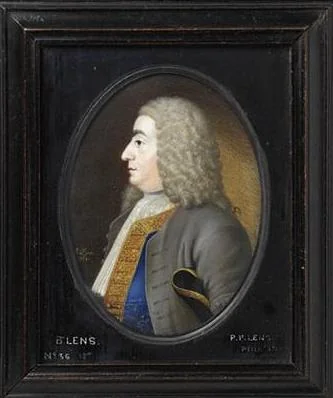
The dynastic artistic journey culminated with Bernard Lens III (1682–1740), who strategically shifted the family’s focus to the thriving field of portrait miniaturism. Mastering the technique of painting detailed, intimate likenesses on ivory, Lens III became a celebrated figure, capturing the likenesses of courtly figures and fashionable society. Miniatures served as powerful, portable status symbols, and the work of Lens III reveals a keen eye for capturing both the formal precision and the fleeting personality of his subjects, as seen in works like his Portrait of Samuel Butler. His success in miniaturism marked the pinnacle of the family’s public visibility.
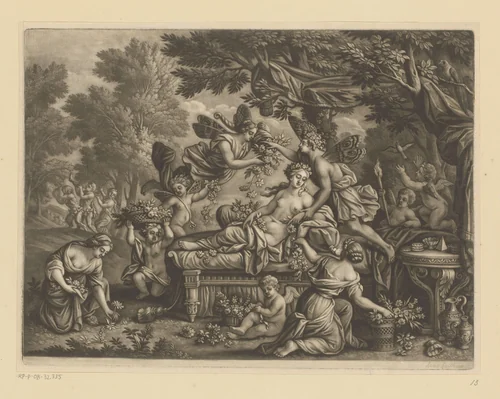
Today, the work of this extensive family unit, spanning painting and engraving, continues to be studied for its insights into early modern British artistic production. Due to the historical breadth of the Lens archive, many pieces, including the striking Halfnaakte godin wordt op een praalbed met bloemen getooid door vliegende nimfen, are now available in the public domain, ensuring this fascinating family history remains accessible to scholars and admirers globally.
Source: Wikipedia · CC BY-SA 4.0