Bernard Gaillot
Bernard Gaillot (born Versailles, 1780) was formally trained within the most rigorous artistic tradition of the era, studying under Jacques-Louis David. While this academic background typically channeled artists toward grand historical canvases, Gaillot’s documented active career, spanning nearly fifty years (circa 1795-1838), reveals a complex and diversified practice primarily focused on highly detailed printmaking. His enduring technical competence and relevance are confirmed by the presence of significant examples of his work in major North American collections, including the Art Institute of Chicago, the National Gallery of Art, and the Cleveland Museum of Art.
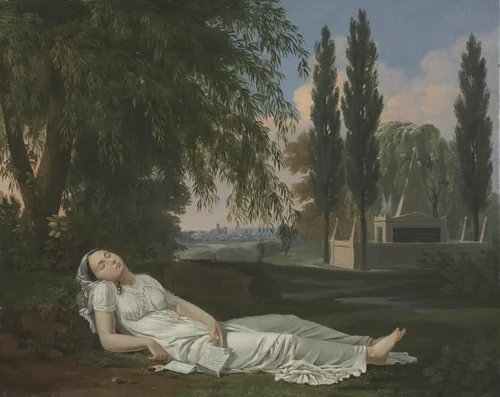
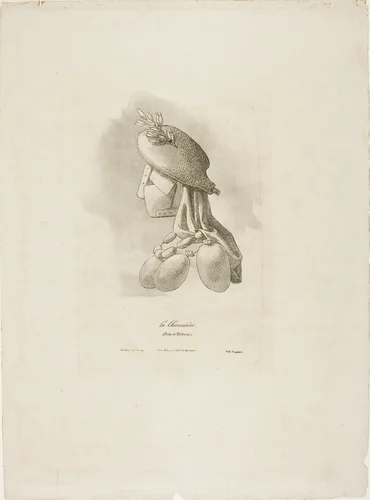
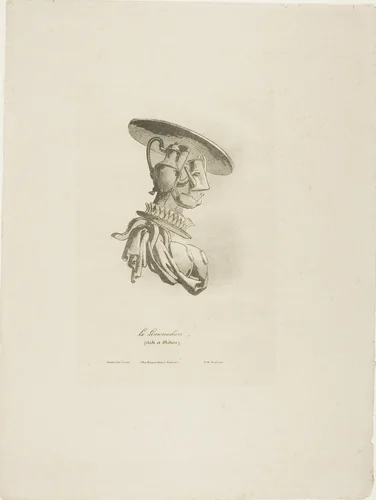
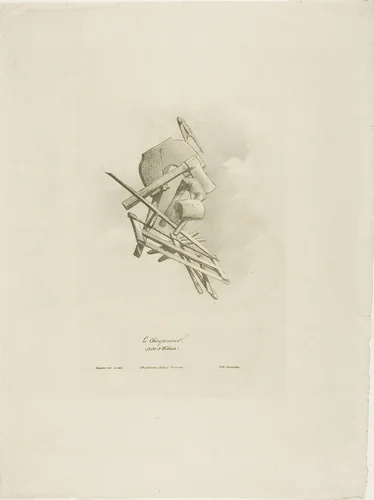
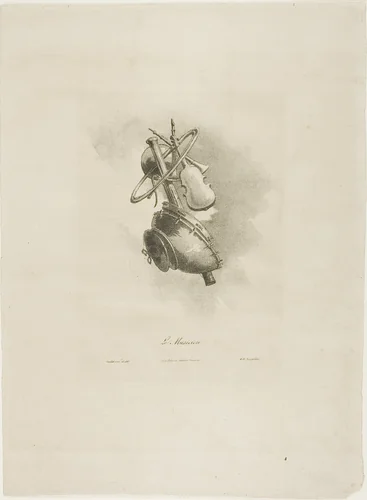
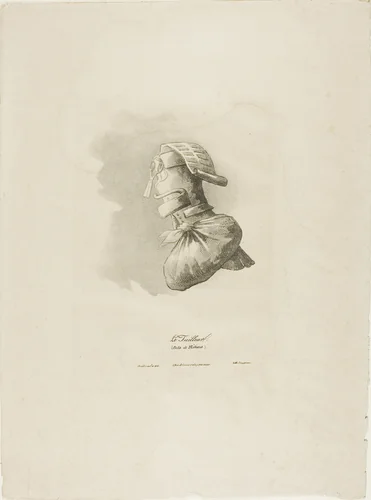
Despite the expectation of a classical output arising from David’s rigorous atelier, Gaillot cultivated expertise in translating ephemeral daily life into highly precise copperplate and lithographic works. His preferred subjects often abandoned the heroic narratives of the Empire and Restoration periods, favoring instead the quiet intimacy of observation and the documentation of labor. This is evident in early pieces like Woman Sleeping in a Landscape with a Letter, which blends classical composition with a distinctly romantic, narrative ambiguity. A substantial portion of the known body of Bernard Gaillot prints derives from the influential series Arts et Métiers (Arts and Trades), illustrating the shifting economic and social structures of post-Revolutionary France.
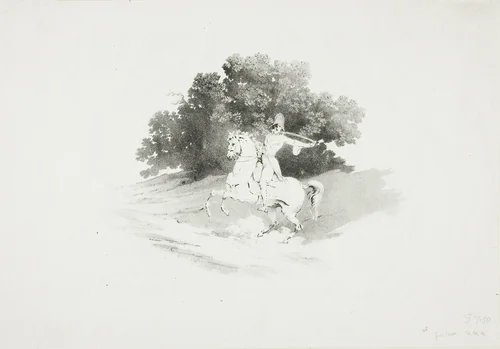
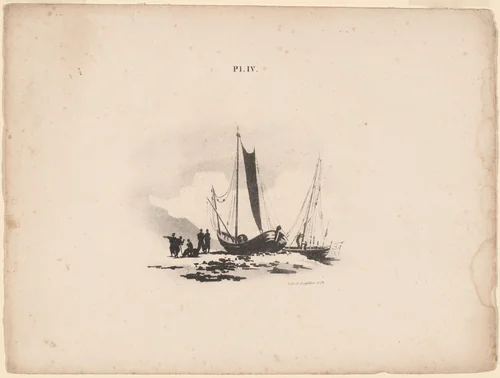
Within the Arts et Métiers series, Gaillot captured urban occupations with an almost journalistic eye. Works such as The Butcher-Woman and The Café-Feeper elevate common roles, rendering their subjects with dignity and undeniable technical finesse. Gaillot demonstrated a keen ability to shift scope, moving easily from genre observations to military subjects like Trumpeter on Horseback or marine studies such as Boats on the Beach, though the single recorded painting suggests that the burin remained secondary to the brush throughout his career. It is a peculiar irony that a painter trained by the Revolution’s premier political artist achieved lasting notoriety not through monumental allegory, but through meticulous documentation of the emerging market economy.
Gaillot’s detailed output thus provides invaluable primary documentation of early nineteenth-century French society. While the market circulation of original works can be limited, the enduring quality of his draftsmanship ensures continued scholarly interest. Today, many of these images reside in the public domain, allowing institutions and enthusiasts to distribute high-quality prints of his compelling genre scenes for global viewing and study.
Source: Wikipedia · CC BY-SA 4.0