Benjamin Wyon
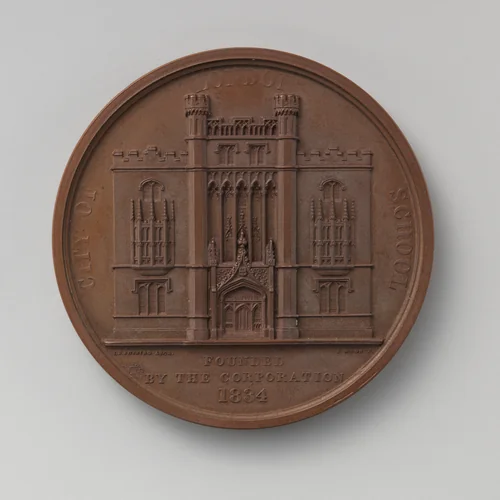
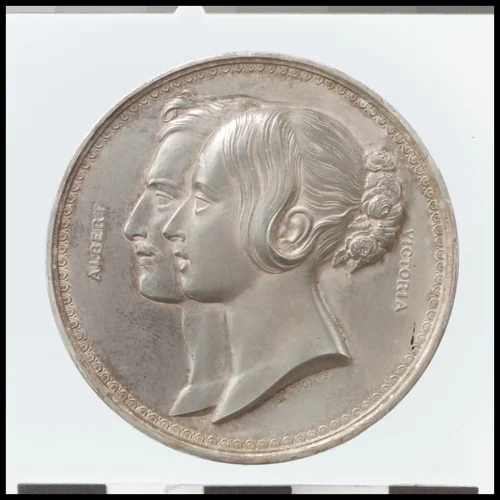
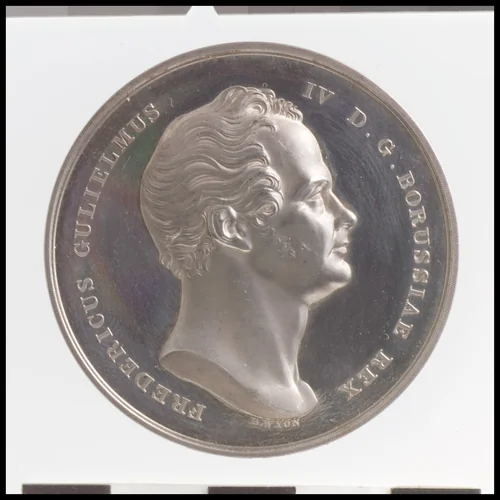
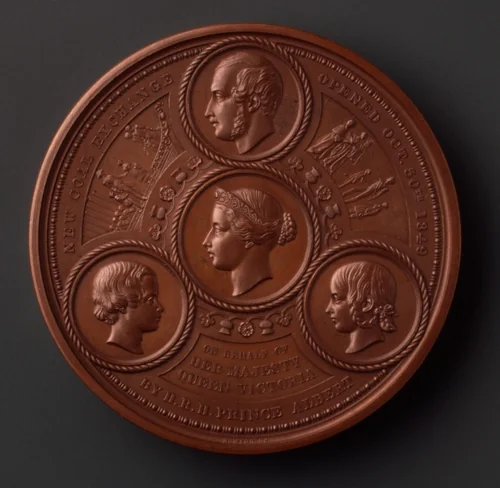
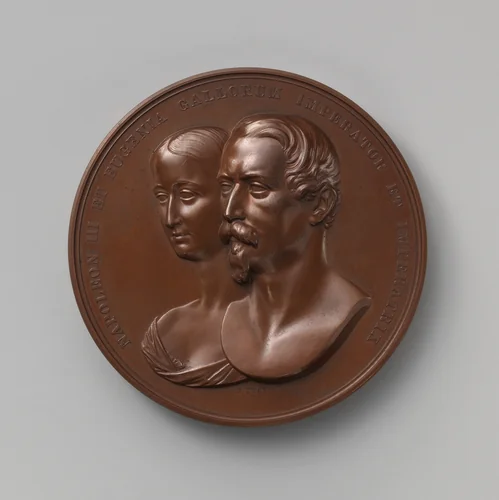
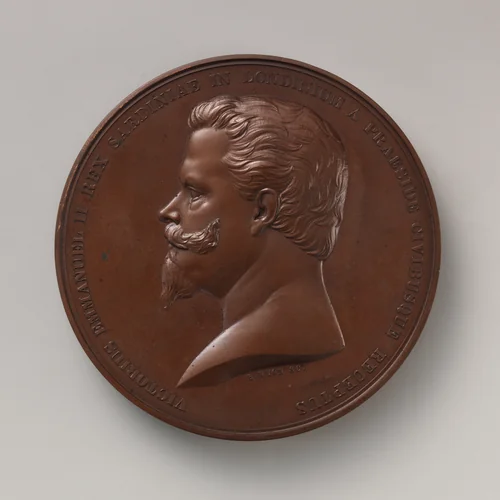
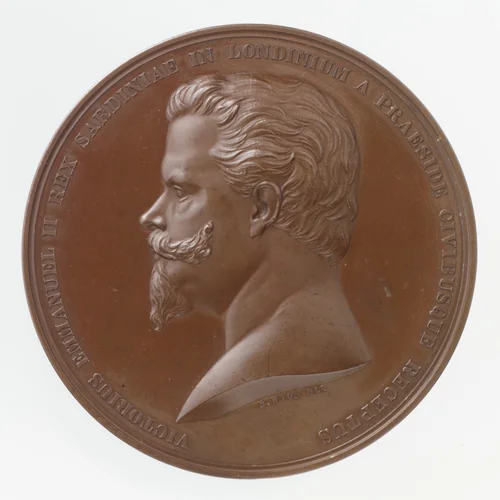
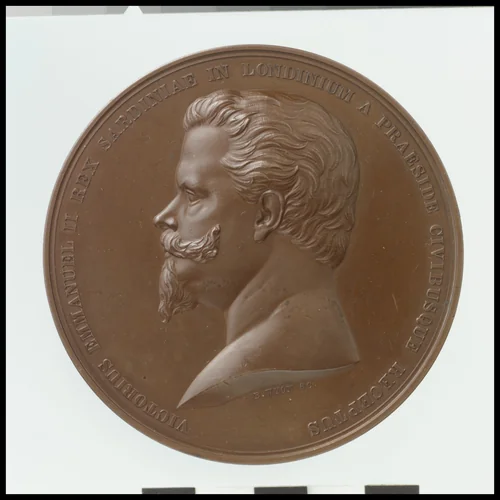
Benjamin Wyon was a foundational figure in British glyptic art and numismatics during the first half of the nineteenth century. Active between 1800 and 1855, his career coincided with a period of massive political change and technological advancement, positioning him uniquely at the intersection of official governmental demands and burgeoning public commemoration. Trained as an engraver of seals and an accomplished medallist, Wyon’s metalworks provided the official iconography for Crown, commerce, and civic recognition.
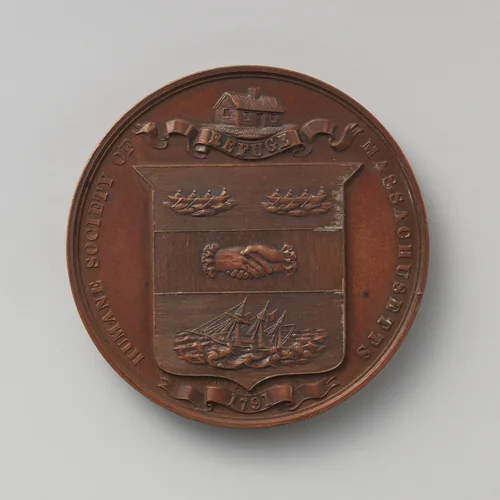
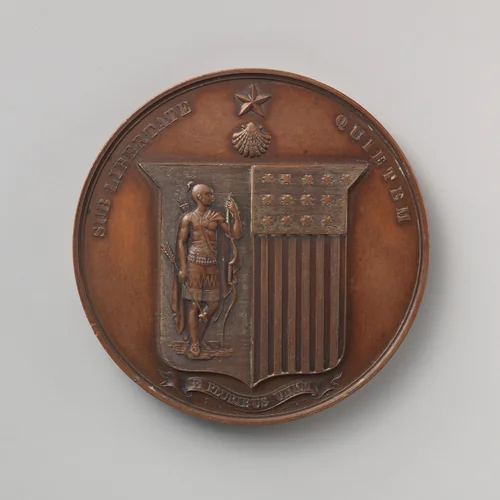
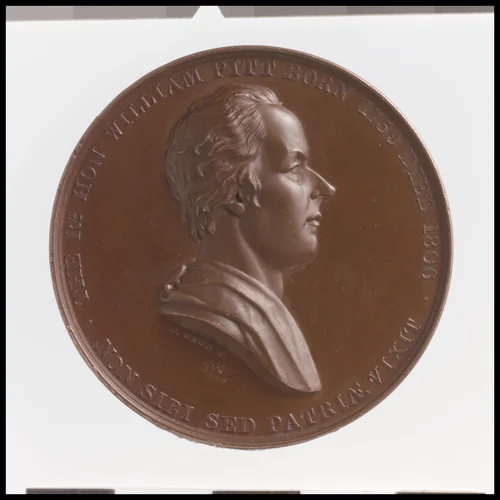
His oeuvre, consisting of intricate, high-relief metalworks, demonstrates a remarkable versatility, handling commissions that ranged from solemn state memorialization to international civic awards. Early in his career, Wyon executed works like the somber Medal Commemorating the Death of William Pitt, an artifact that serves as an official document of respect for one of Britain’s towering political architects. Yet, his influence extended far beyond domestic political tributes; the complexity of his international reputation is evident in commissions such as the Award of the Massachusetts Humane Society, confirming that his exacting standards appealed to organizations across the Atlantic.
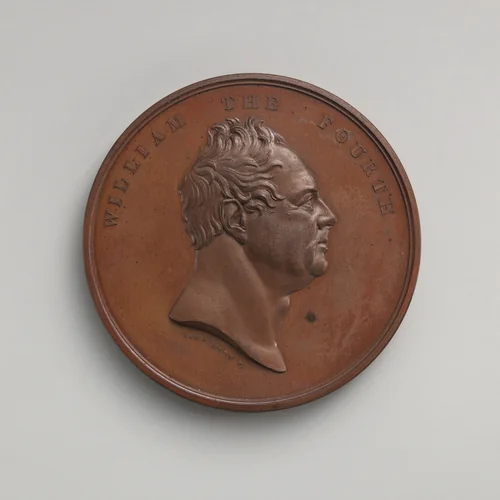
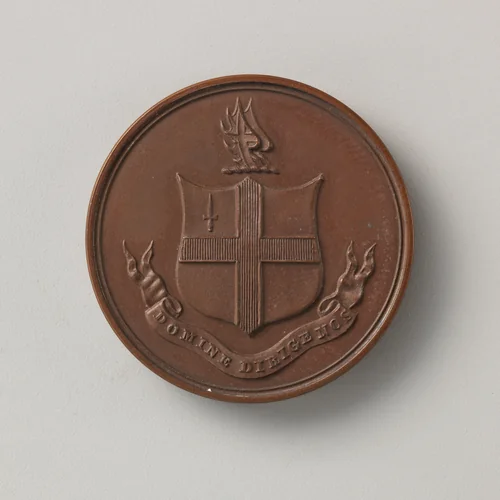
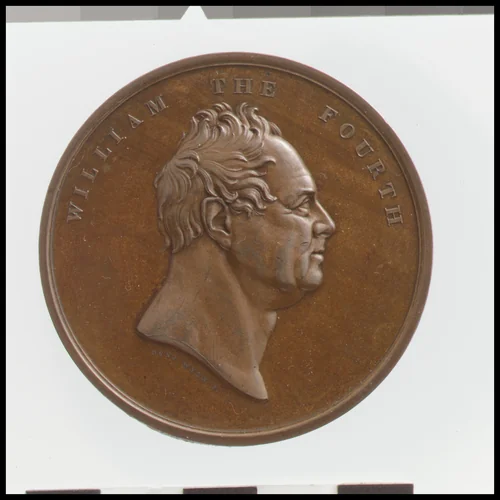
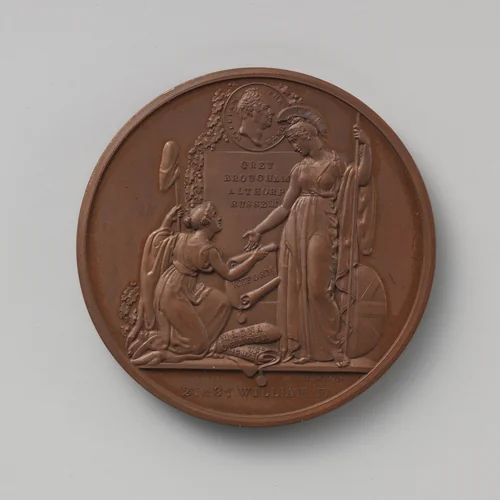
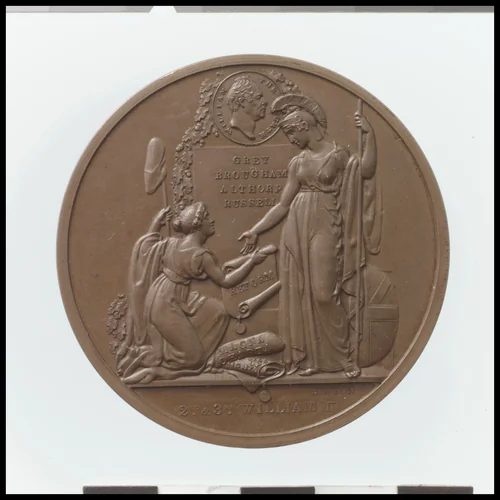
Wyon’s most enduring achievements often required him to synthesize complex historical events into digestible, portable art. A striking instance is the comprehensive two-part series To Commemorate the Opening of the New London Bridge, by King William IV and Queen Adelaide, August 1, 1831. This work captured the grandeur of a pivotal moment in metropolitan engineering and royal endorsement, effectively translating national celebration into enduring bronze. Wyon possessed the necessary duality of skill: the minute precision required for creating authoritative Royal Seals contrasted sharply with the celebratory scale demanded by large-format commemorative medals.
Though his name is often overshadowed by the larger, subsequent generation of Victorian artists, Wyon’s work defines the formal expectations of official art during the Regency and Williamite eras. Today, these historical records of metalwork are preserved in collections worldwide, including the Metropolitan Museum of Art. The detail and craftsmanship inherent in his designs mean that his imagery is increasingly accessible through digital preservation efforts. Much of Wyon's significant output is now in the public domain, allowing institutions and researchers to access downloadable artwork and create high-quality prints for study.
Source: Wikipedia · CC BY-SA 4.0