Benjamin Brecknell Turner
Benjamin Brecknell Turner (1815–1894) secures his place in art history as a pivotal figure in the development of photography, standing among the earliest generation of British practitioners to utilize the medium with serious artistic intent. His foundational importance extends beyond his output; in 1853, Turner was instrumental in the institutionalization of the new art form, serving as a founding member of the prestigious Photographic Society of London.
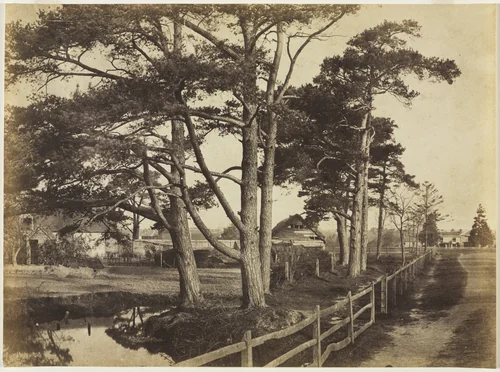
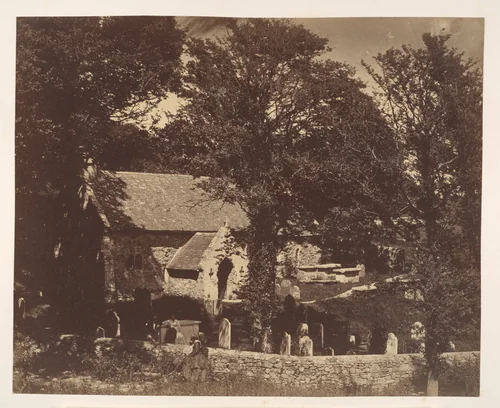
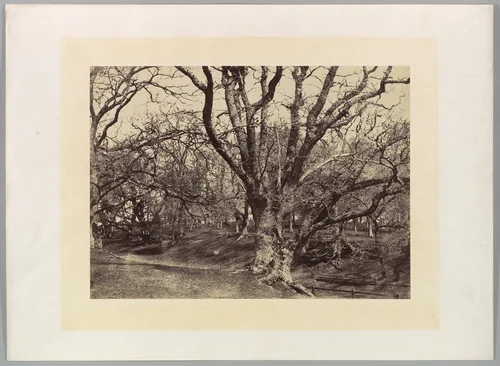
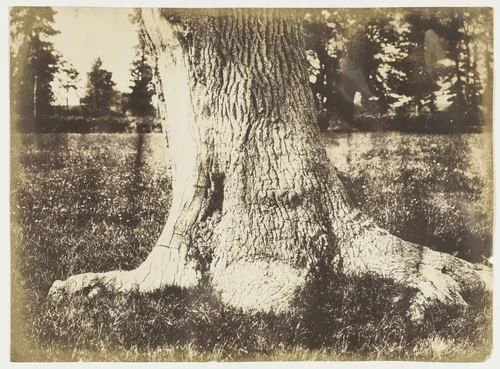
Turner’s aesthetic sensibilities were firmly rooted in the visual traditions of the era preceding the camera’s widespread adoption. His work consciously echoed the styles and subjects favored by Romantic-era watercolor painters, embracing the classically British ideal of the ‘picturesque.’ This influence is evident in compositions like Pepperharrow Park, Surrey, and the contemplative Bonchurch, where he manipulated the large-format calotype process to achieve effects of dramatic texture and chiaroscuro previously only associated with sketching or painting. Indeed, the nuanced quality of light in his work demonstrates why scholars often speak of Benjamin Brecknell Turner paintings, even though his primary medium was photographic.
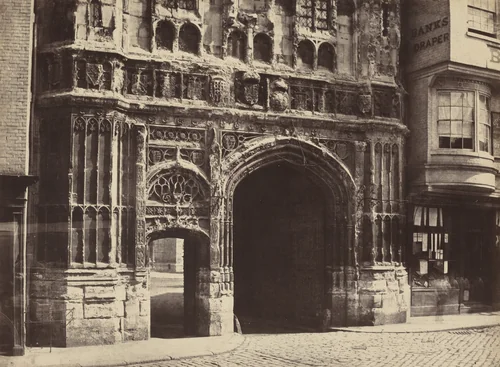
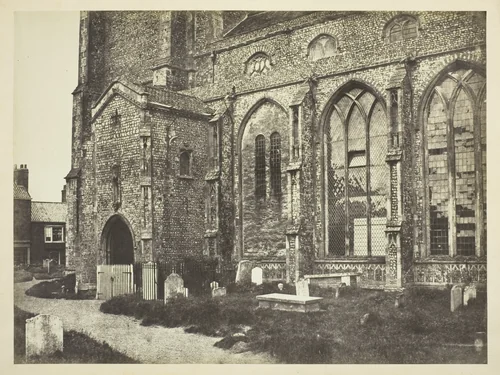
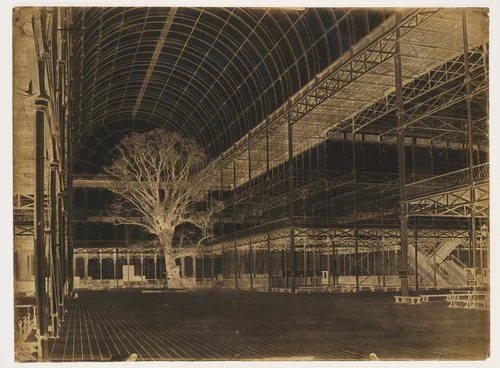
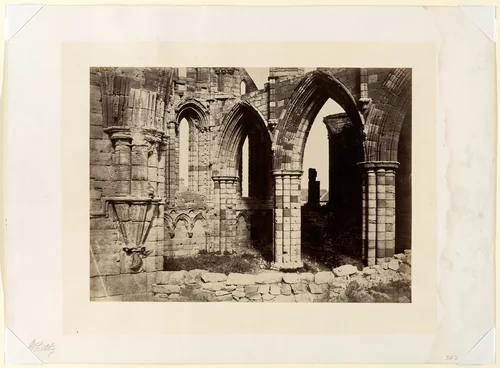
While many of his contemporaries viewed photography primarily as a tool for empirical documentation, Turner consistently sought to imbue his images with the expressive depth of fine art. His subject matter was broad, spanning ancient ecclesiastical architecture, such as Southside of Cromer Church, and the cutting edge of industrial design. His detailed capture of the Crystal Palace, Hyde Park, Transept, serves as a powerful artistic record of a monumental, if temporary, marvel of Victorian engineering.
Turner’s sustained commitment to artistic mastery ensures his body of work remains essential for understanding the transition from traditional graphic arts to modern photographic practice. The enduring technical quality and historical significance of his output place original museum-quality prints in major institutions worldwide, including the Art Institute of Chicago, the Museum of Modern Art, and the National Gallery of Art. Due to the age of his originals, a significant portion of his archive now resides in the public domain, making these influential images widely available for study and appreciation by new generations.
Source: Wikipedia · CC BY-SA 4.0
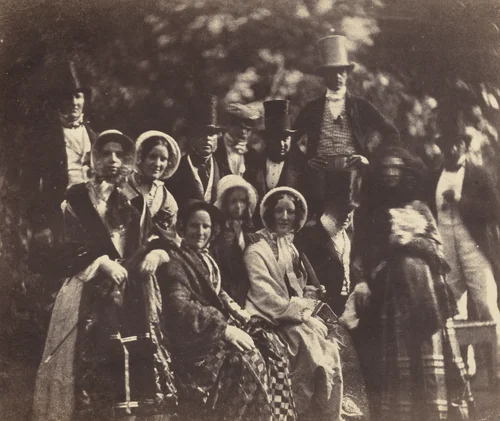
![[Rural Manor, Possibly Bredicot] by Benjamin Brecknell Turner, photograph, 1852-1854](https://img.artbee.org/905a4ae2-8a59-4cd6-a0a1-a86c3a99394c/small.webp)