Benedetto Luti
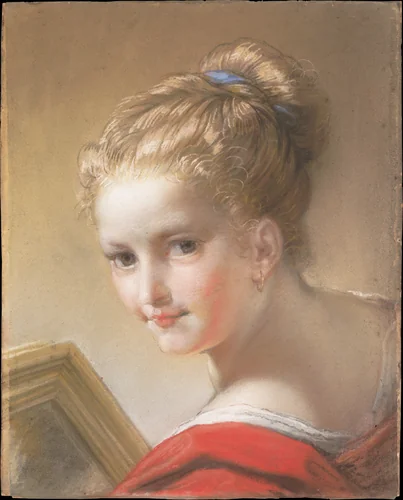
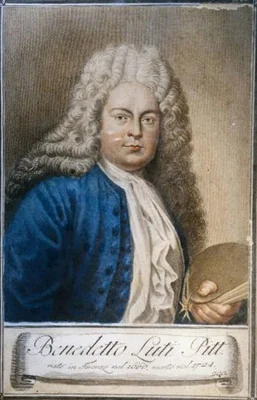
Benedetto Luti (1666-1724) stands as a pivotal figure in Roman art during the closing decades of the seventeenth century and the early Georgian era. A master of various media, he is known today primarily as an accomplished Baroque painter, draftsman, and, crucially, one of the earliest Italian artists to elevate pastel work to a status rivaling traditional oil painting. Active between 1600 and 1717, Luti’s long career allowed him to navigate the stylistic shift from the dramatic gravity of the High Baroque toward the refined intimacy of the emergent Rococo sensibility. His sustained output of religious commissions, official portraits, and detailed figure studies demonstrates a consistent command of light, color, and emotional precision.
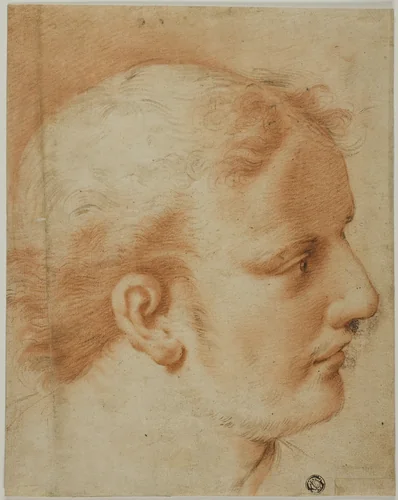
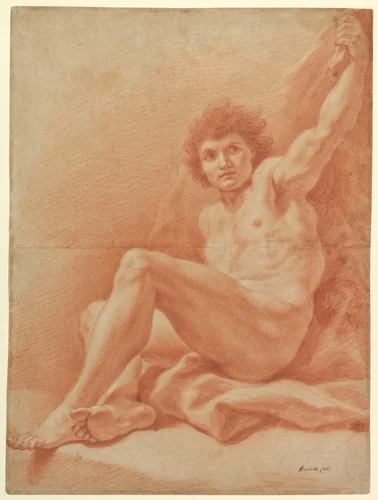
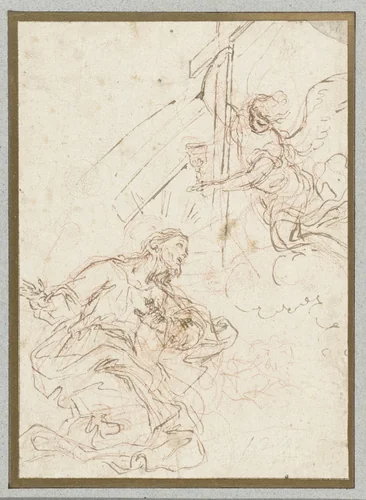
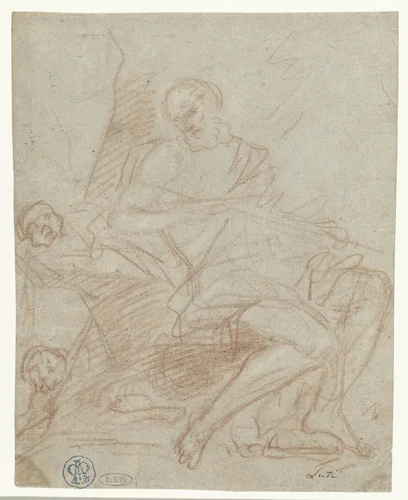
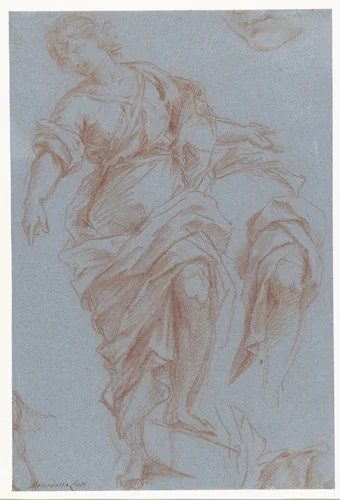
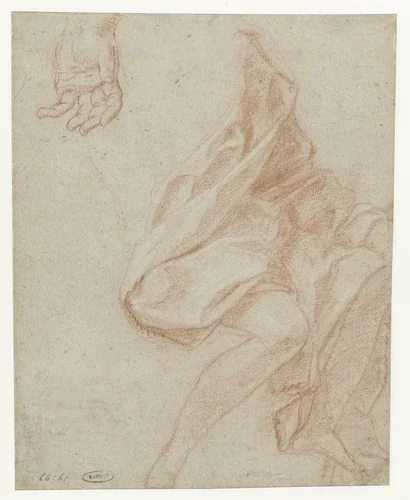
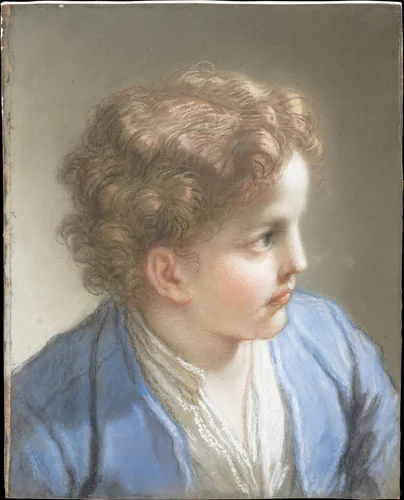
Luti’s greatest strength lay in his draftsmanship. His technique combined traditional chalk and ink with sophisticated layering and heightened color effects, evidencing a mastery of form seen in preparatory studies like Head of Young Man, in Profile to Right and the powerful academic work, Seated Nude Male Figure (recto); Seated Figure (verso). These meticulous drawings offer essential insight into the formal demands placed upon late seventeenth-century academic artists. While his output includes significant altar pieces and history scenes, such as the compellingly shadowed Christus in de Hof van Gethsemane, Luti's technical fluidity ensured he remained a prominent painter of his day. Collectors seeking authentic depictions of 18th-century Roman life often prize Benedetto Luti paintings for their realism and expressive quality.
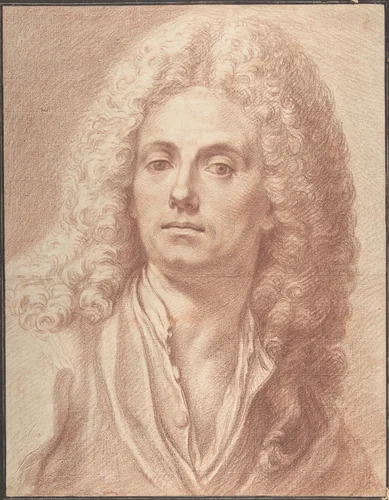
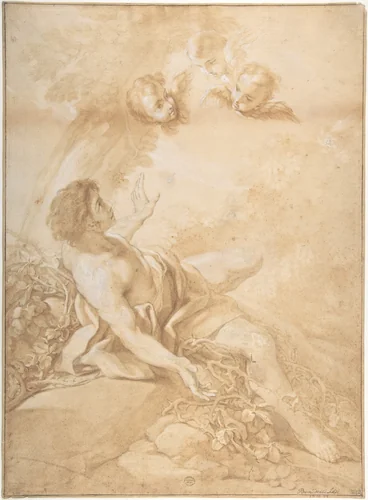
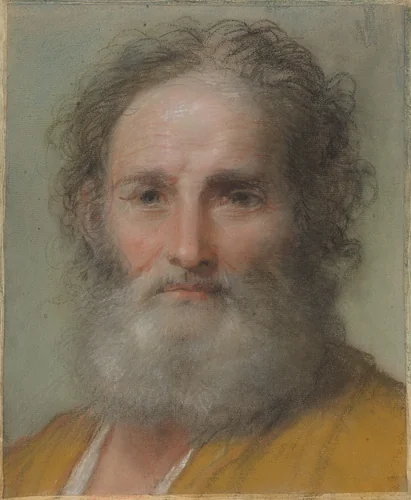
Luti’s versatility ensured his popularity in the competitive Roman art market, and his ability to run a well-ordered studio made him a preferred teacher for foreign artists traveling through Italy. His influence thus spread internationally through these connections. His commissioned work spanned contemplative religious subjects, including Saint Benedict on a Bed of Thorns, and highly personalized portraiture, such as Portrait of a Man. The superb technical execution of his drawings ensures their status as museum-quality objects, with many now available as high-quality prints for study and appreciation.
A reflection of his enduring international appeal, Luti’s work is held in major collections worldwide, including the National Gallery of Art, the Rijksmuseum, and the Art Institute of Chicago. His reputation rests on his ability to integrate dramatic Baroque composition with tender realism, creating works that bridge the grand tradition and the coming age of Enlightenment portraiture. Today, a considerable portion of his graphic work resides in the public domain, offering royalty-free access to students and enthusiasts worldwide.
Source: Wikipedia · CC BY-SA 4.0