Belgium
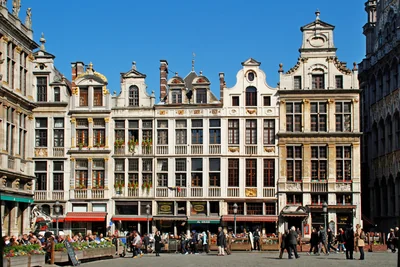
Belgium, a compact nation nestled in the coastal lowland region known as the Low Countries, historically functioned as one of Northwestern Europe’s primary centers for luxury goods, particularly during the industrial expansion of the mid-nineteenth century. Bordered closely by the Netherlands, Germany, Luxembourg, and France, this strategically located territory, covering just 30,689 square kilometers, capitalized on its high population density and access to international trade routes to establish a robust and technically advanced textile industry.
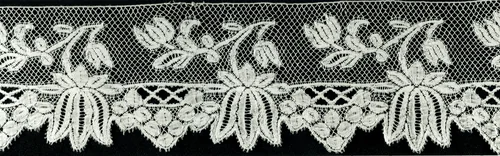
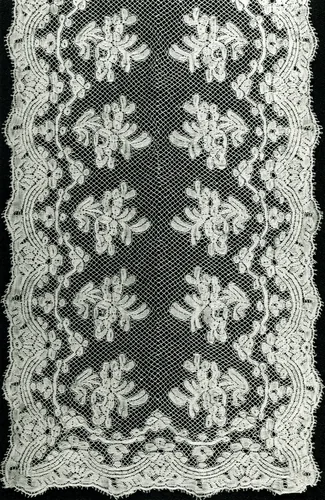
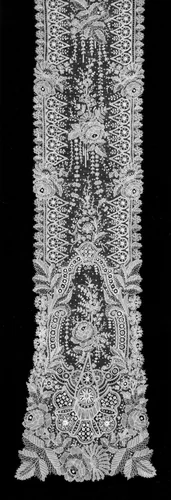
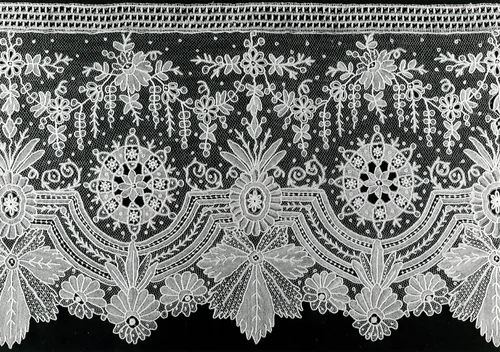
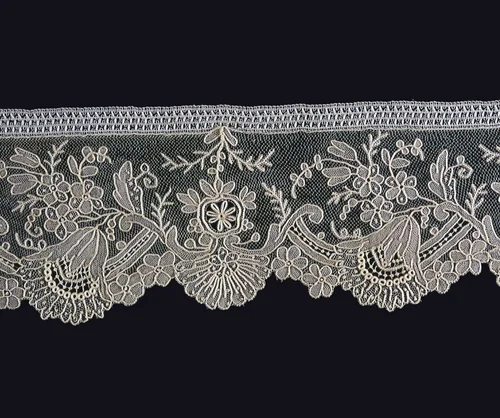
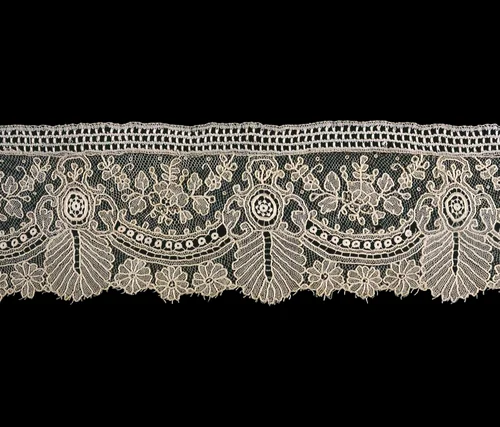
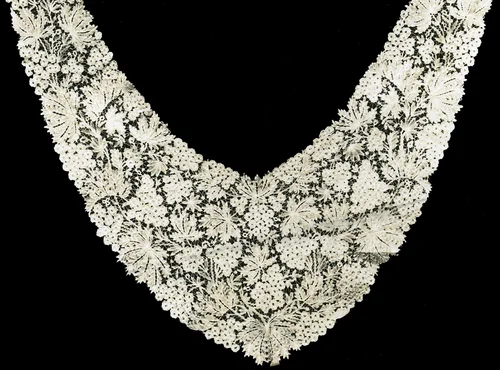
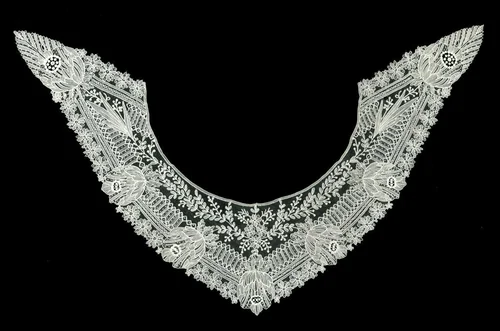
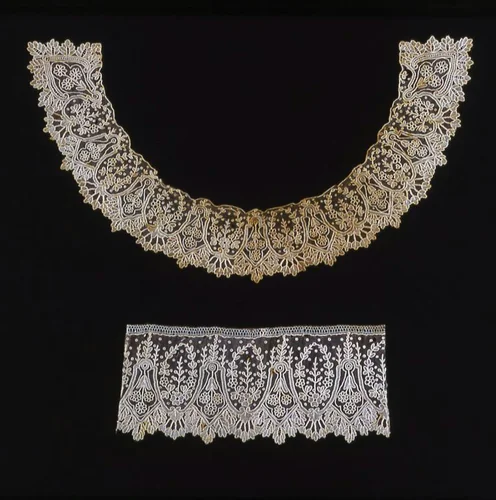
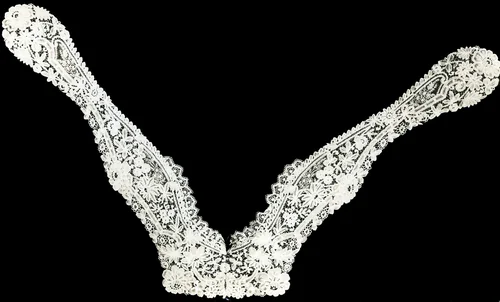
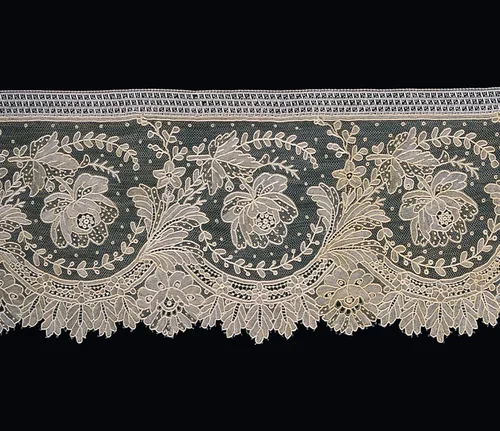
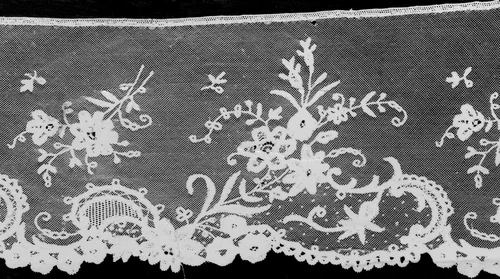
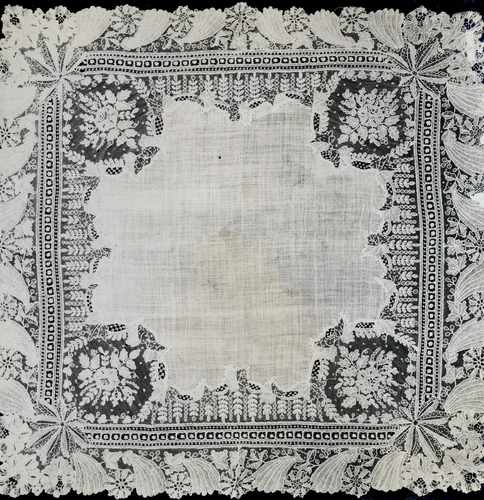
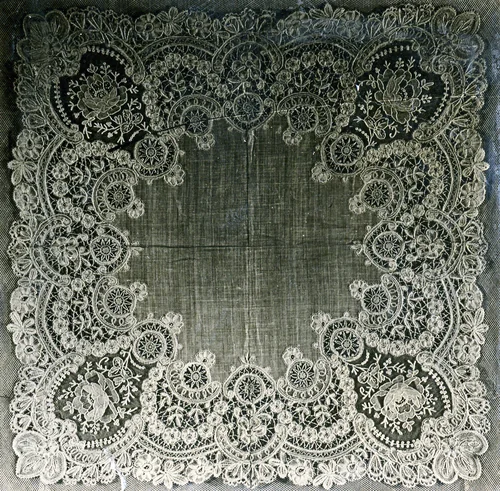
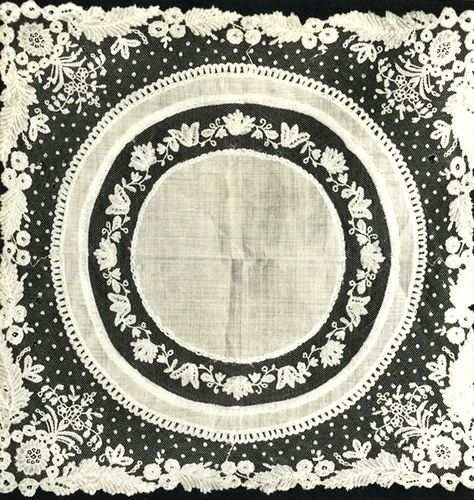
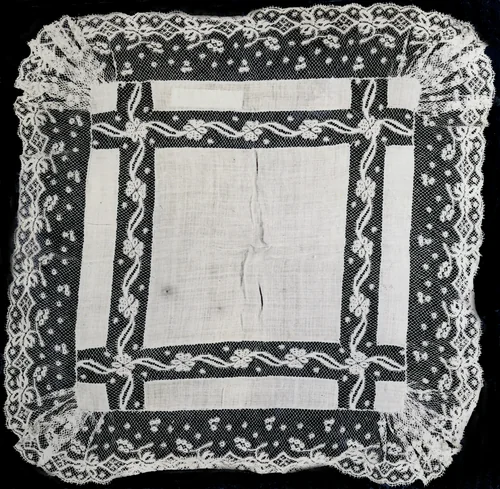
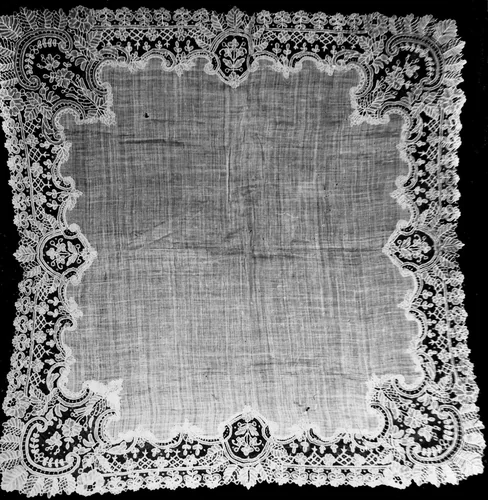
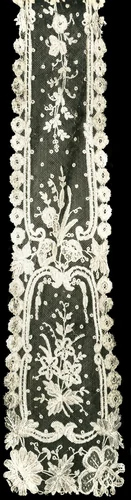
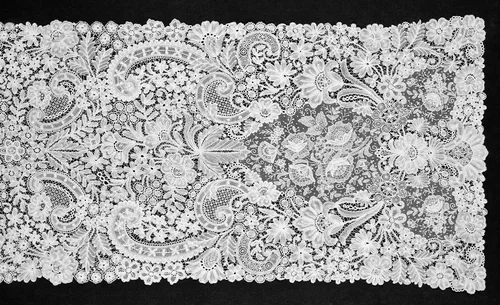
The decade spanning 1850 to 1860 proved especially prolific, focusing on intricate accessories and finished garment components. The collective body of work attributed to this period, currently preserved across international institutions, comprises fifteen distinct textile pieces that exemplify the height of industrial-era craftsmanship. These works, including the structurally complex Collar, the essential yet refined Handkerchief, and the repeated design studies grouped as Seven Borders, demonstrate an acute understanding of both commercial market demands and the technical limits of lace production. The attention to detail suggests a highly skilled workforce operating in major metropolitan regions like Brussels, Antwerp, and Ghent.
While much of the documentation regarding individual artisans remains obscured by commercial anonymity, the consistently superior quality of the output elevates these pieces from mere functional accessories to significant objects of decorative art. The designs often showcase the prevailing aesthetic trends of the era, offering scholars valuable insight into the application of ornamentation in daily life.
Today, the enduring significance of this period’s output is reflected in its institutional preservation, notably within the permanent collections of the Art Institute of Chicago. These surviving examples of Belgian prints and textile work are now frequently studied, representing museum-quality craftsmanship from the period. Furthermore, the increasing availability of high-quality prints and downloadable artwork ensures that these influential, elegant designs are readily accessible to contemporary researchers and designers, often offered royalty-free for academic study.
Source: Wikipedia · CC BY-SA 4.0