Belgium, Flanders
The identity designated as Belgium, Flanders refers to a prolific center or tradition of textile production active across the seventeenth and eighteenth centuries, documented between 1601 and 1760. This lengthy period of operation suggests a continuous workshop or established regional style dedicated primarily to the creation of woven goods.
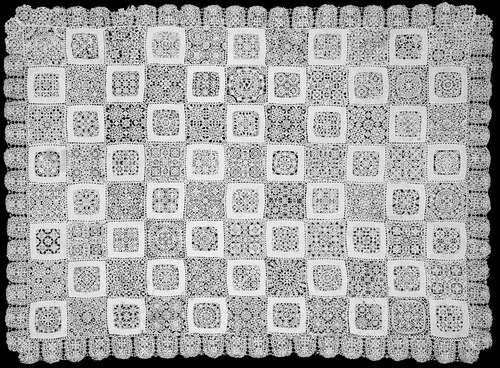
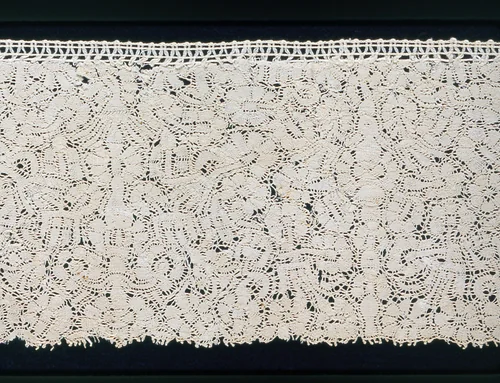
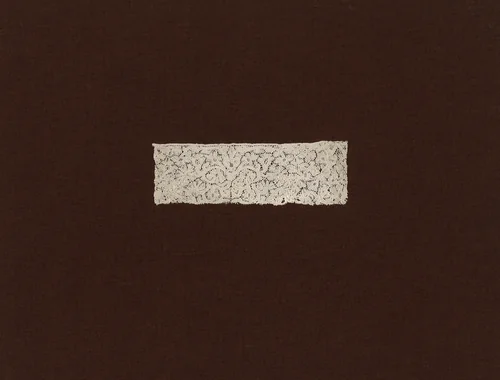
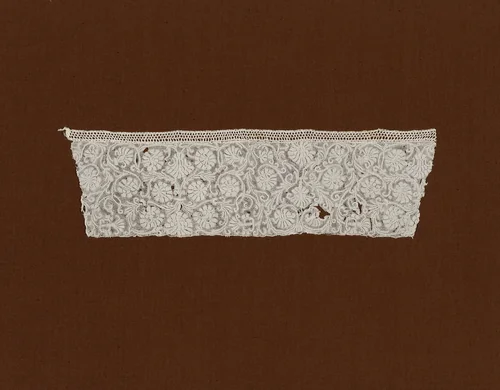
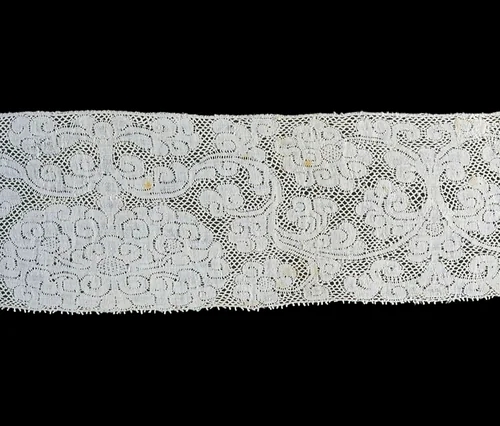
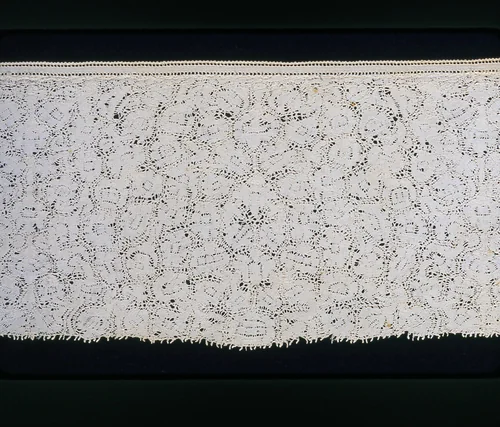
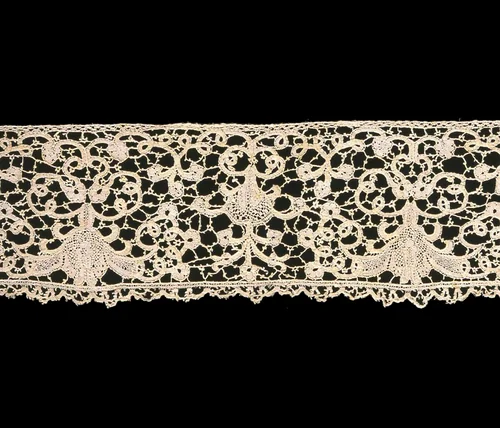
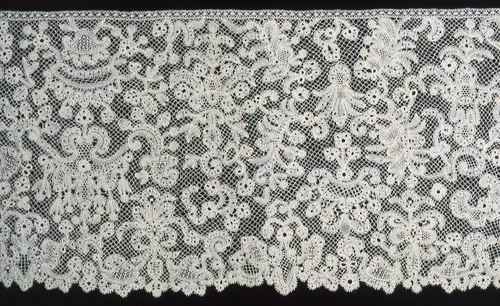
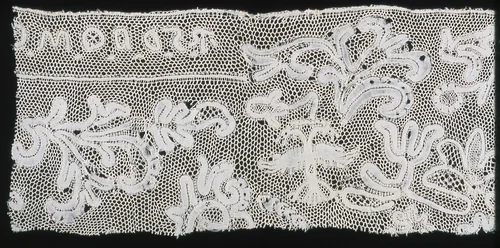
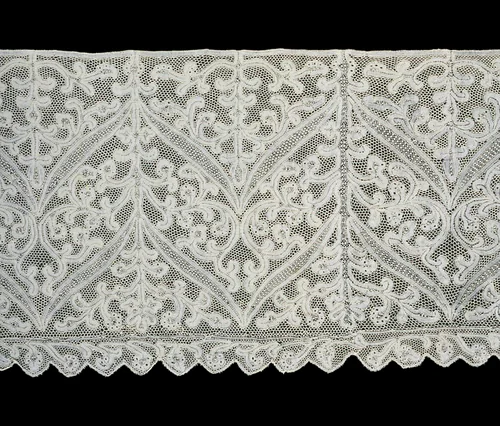
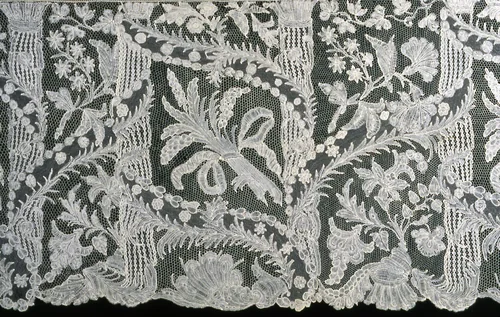
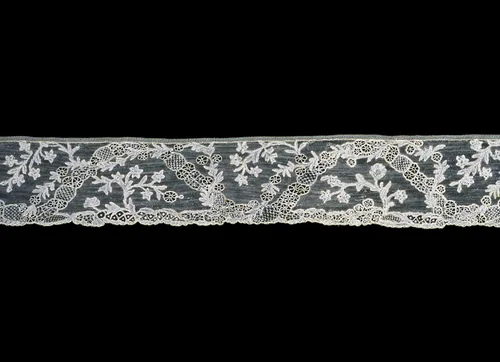
The documented output of this tradition consists specifically of historical textiles. Thirteen examples of these works are represented in major museum collections, highlighting the consistent skill required for such detailed artistry. The documented works include functional and decorative pieces such as the full work titled Cover, and several extant examples of Border pieces, including the specific Border (Fragment) preserved in institutional records. These objects display the intricate weaving and material quality expected of museum-quality historical textiles.
To establish historical significance and provenance, notable examples of these works are held in the permanent collection of the Art Institute of Chicago. Due to the historical period of production, many surviving works from this tradition are now considered part of the public domain. Their continued preservation ensures that researchers and collectors can access high-quality prints and documentation related to the textile craftsmanship characteristic of Belgium, Flanders.