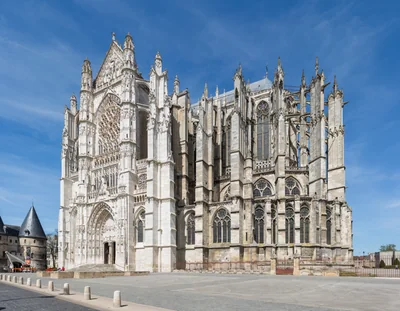
Beauvais
The designation Beauvais, a commune and the prefecture of the Oise département located 75 kilometers north of Paris in the Hauts-de-France region, refers in art history not simply to a geographical center but to one of the most significant manufactories of French luxury weaving active between 1685 and 1754. Operating primarily under private management rather than direct royal control, Beauvais quickly established itself as a potent rival to the state-sponsored Gobelins, specializing in smaller, more intimate works tailored for the sophisticated domestic interiors of the Parisian elite.
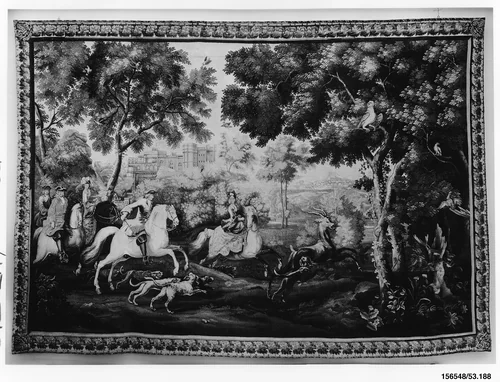
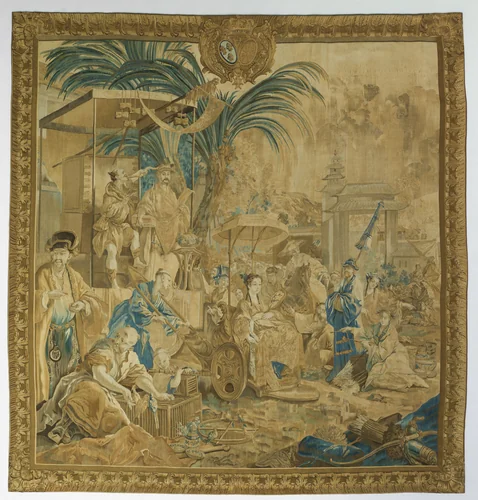
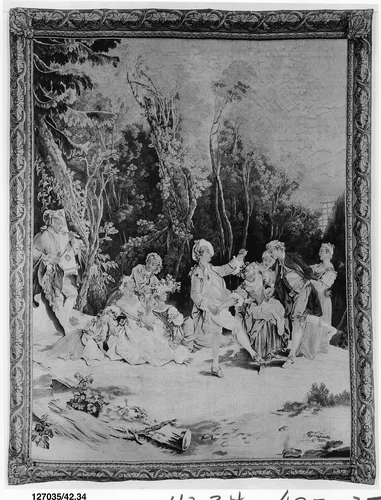
The manufactory’s aesthetic arc tracks the transition of French taste from the grandeur of the Baroque to the elegant lightness of the Rococo. Early commissions show the continued appeal of traditional subjects, evidenced by pieces like the narrative Stag Hunt. However, Beauvais’s greatest success lay in translating the emerging, often whimsical, fashionable styles into woven form. Series such as the charmingly detailed Chinese Fair capitalized on the period’s overwhelming fascination with chinoiserie, blending exotic fantasy with superb French craftsmanship.
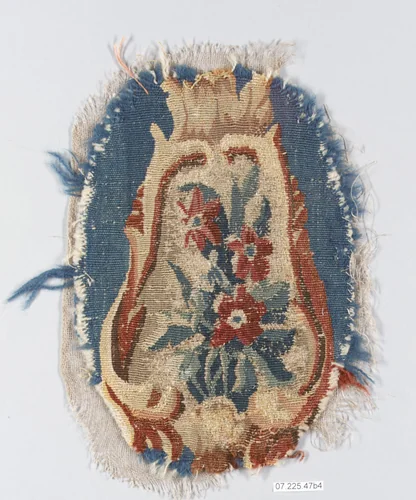
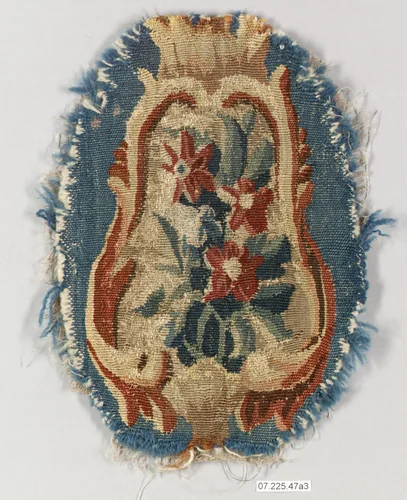
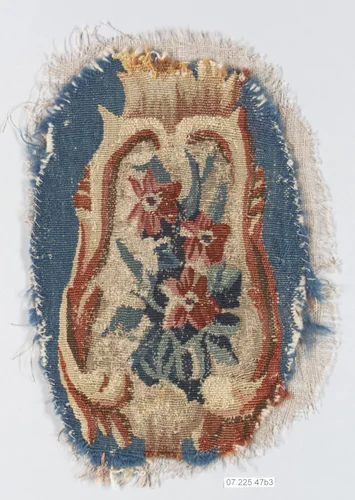
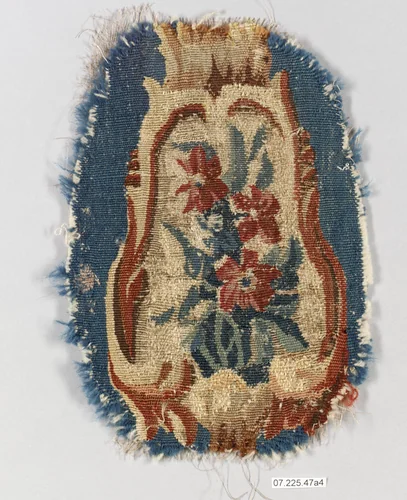
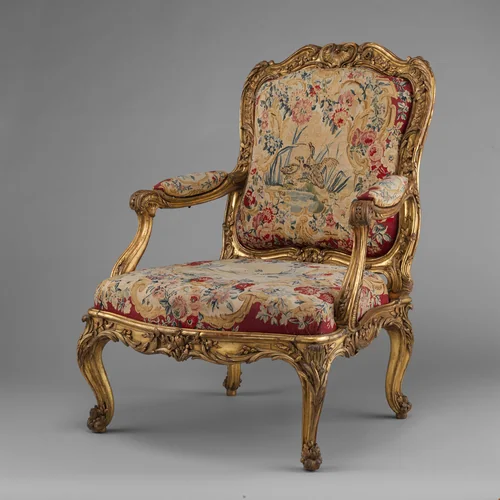
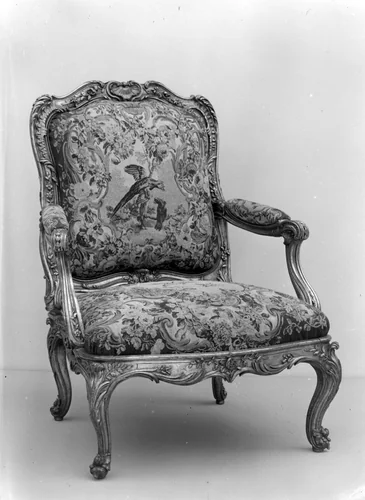
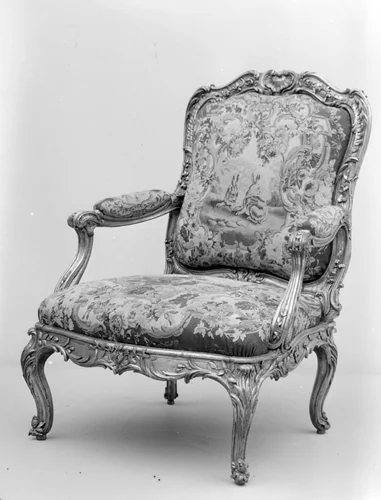
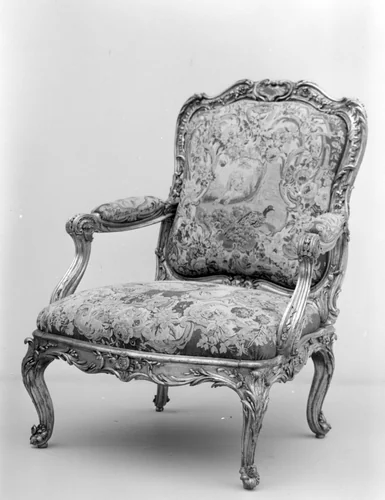
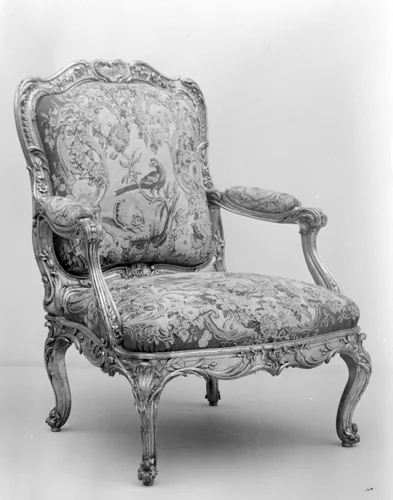
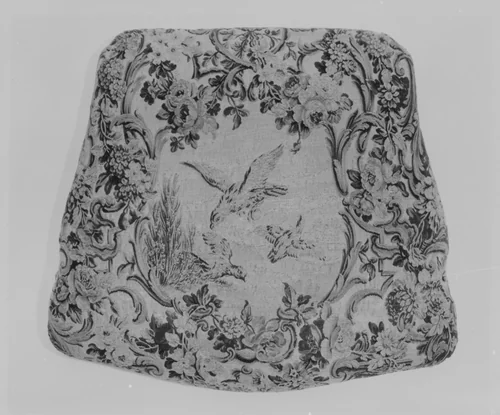
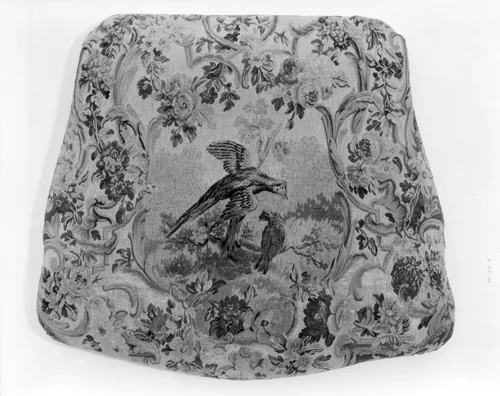
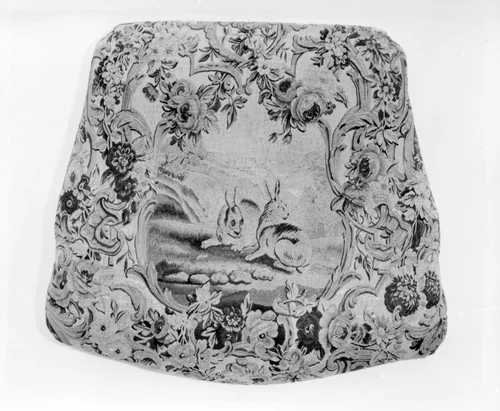
By the 1740s, Beauvais had fully embraced the Rococo style, producing designs that epitomized the asymmetrical, playful rocaille. The repeated motif of the Rocaille cartouche with flowers showcases the masterful integration of asymmetrical C-scrolls and floral motifs designed to brighten and lighten paneled rooms. These pieces remain critical institutional acquisitions; currently found in major collections including the Cleveland Museum of Art and the Metropolitan Museum of Art, they continue to define the standard for museum-quality 18th-century textiles.
Remarkably, Beauvais’s institutional focus on private, fashionable trends often gave it a stylistic advantage, allowing for rapid adoption of new designs that defined courtly taste. Today, this historical inventory is highly valued. While original textiles are inaccessible, digitized records and schematics are increasingly available as downloadable artwork for scholars and enthusiasts. The enduring appeal of the manufactory’s distinct aesthetic means that reproductions, often marketed simply as Beauvais prints, remain iconic examples of the apex of pre-Revolutionary French decorative art.
Source: Wikipedia · CC BY-SA 4.0