Bayeux
The designation “Bayeux” refers not to a single artistic practitioner but rather to a sophisticated, regional style that flourished within the Calvados department of Normandy, northwestern France, spanning the first three quarters of the nineteenth century (1801-1875). Functioning as a major center for specialized textile production, the commune of Bayeux established a reputation for highly detailed craftsmanship, particularly in the creation of fine accessories for the European luxury market.
The artistic output associated with this region is characterized by an exacting technical precision, largely focused on specialized applied arts rather than traditional Bayeux paintings. The recorded œuvre includes eight known textiles and accessories, six categorized simply as "others," alongside two explicitly designated as textiles. These works, held in institutional collections such as the Art Institute of Chicago, offer essential insights into the economic history of nineteenth-century French luxury goods.
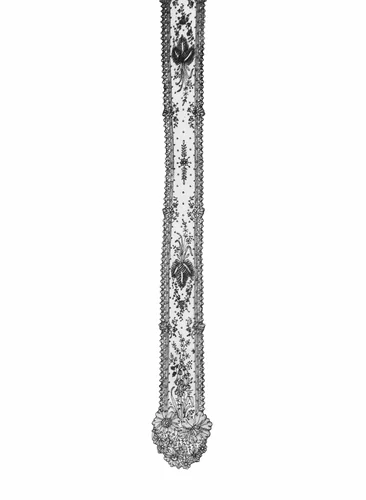
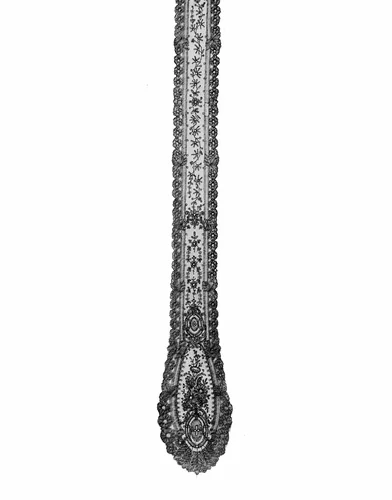
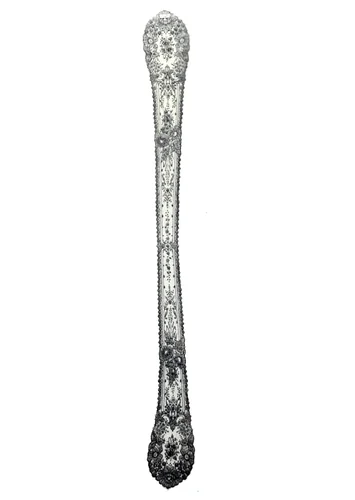
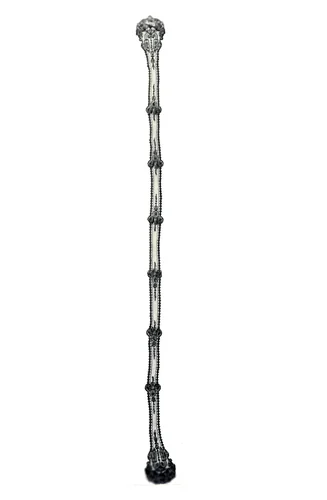
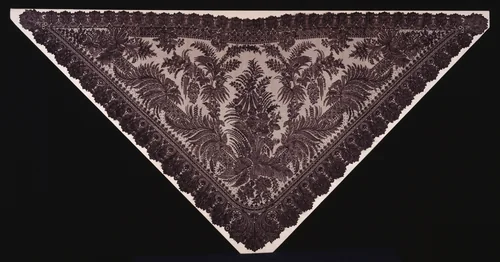
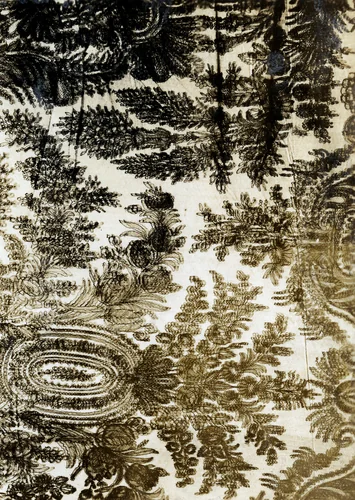
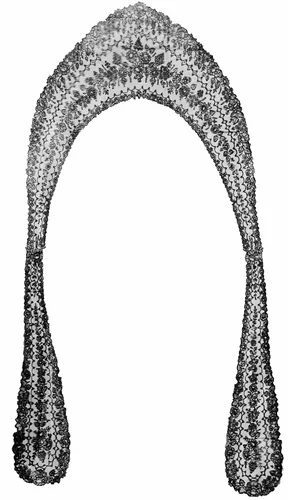
Foremost among the known pieces are the multiple examples cataloged as the Pair of Lappets (Joined). Lappets, the elongated, ornamental streamers attached to bonnets or caps, required exceptionally intricate detailing, often executed in delicate bobbin or needle lace. The sheer repetition found in collection records—with five identical listings referencing the Pair of Lappets (Joined)—suggests a remarkably standardized, almost proto-industrial efficiency governing the production of these exquisite, museum-quality fashion elements. This standardization speaks volumes about the high degree of quality control exercised by the regional workshops during this prolific era.
While major art historical narratives often focus on named masters, the lasting significance of the Bayeux designation rests upon this anonymous, consistently high-quality output. The works successfully merge centuries of Norman tradition with emerging techniques, confirming the vitality of French regional applied arts alongside the more recognized developments in painting and sculpture. For curators, designers, and historians, these objects serve as crucial primary source material for understanding period dress and textile innovation. Increasingly, documentation and images of these highly detailed Bayeux prints and textiles are entering the public domain, allowing access to high-quality prints and downloadable artwork for scholars studying this specialized niche globally.
Source: Wikipedia · CC BY-SA 4.0