Battista Franco
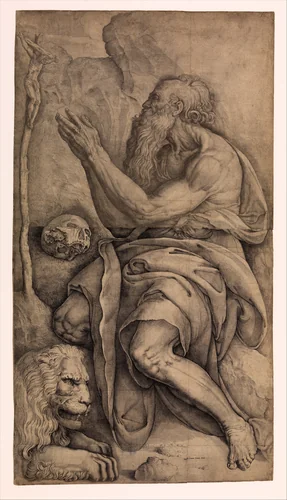
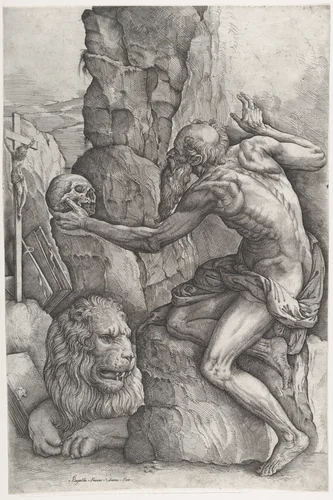
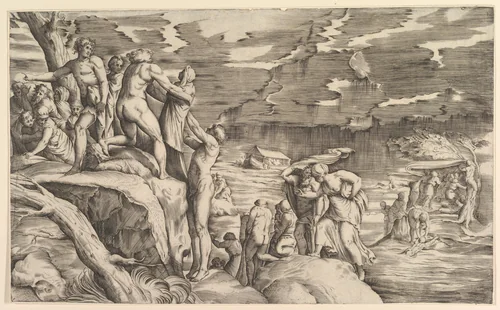
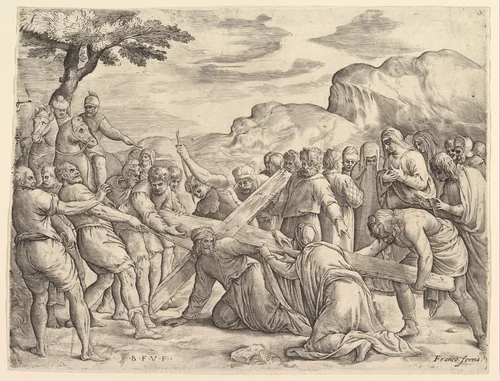
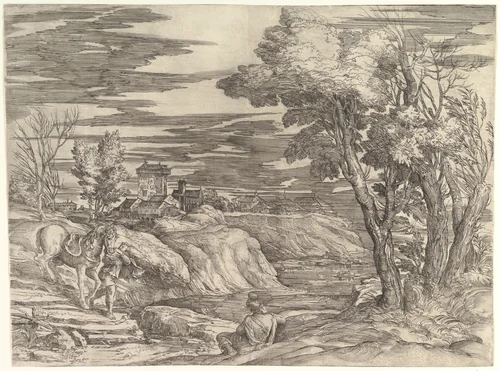
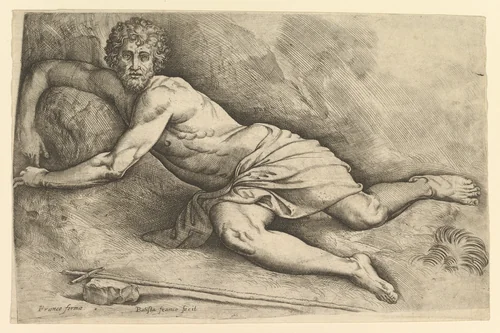
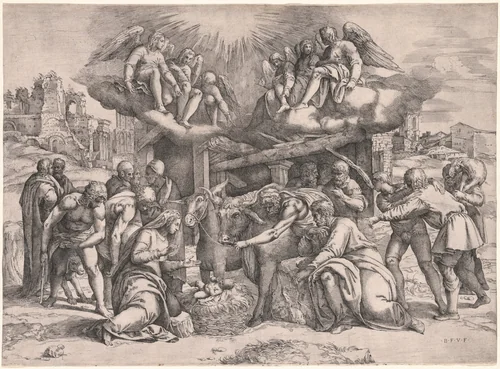
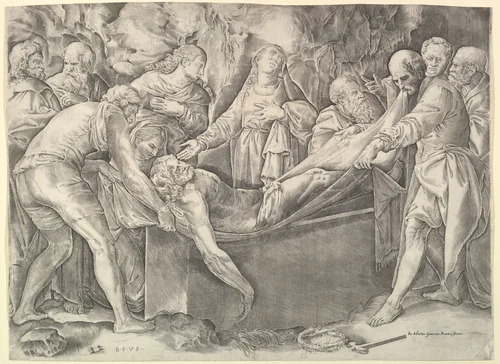
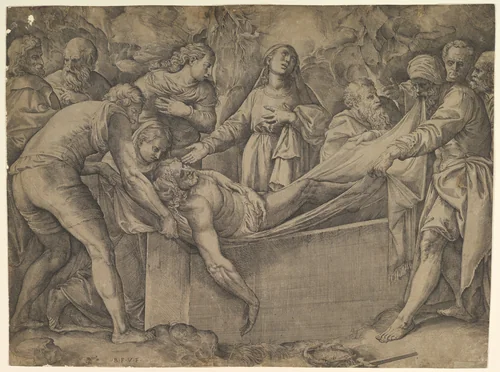
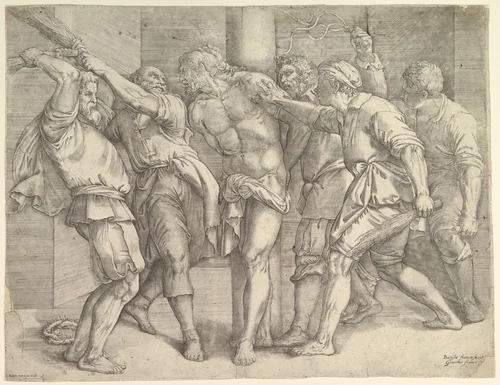
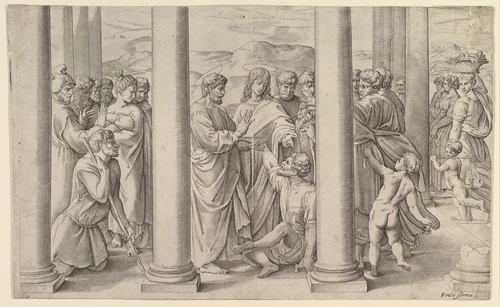
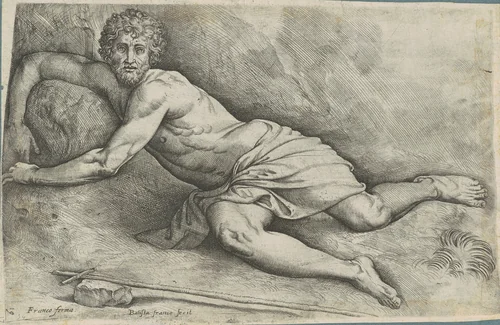
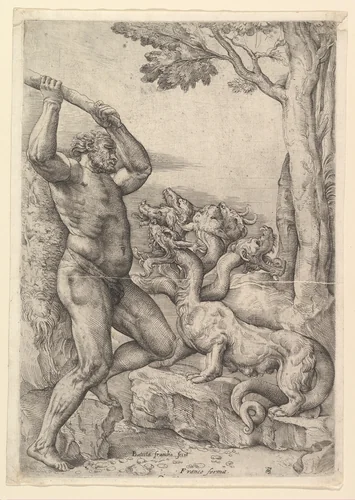
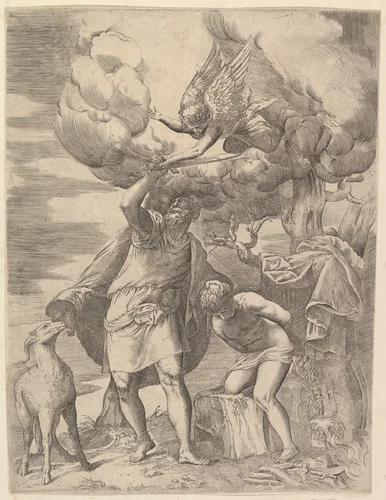
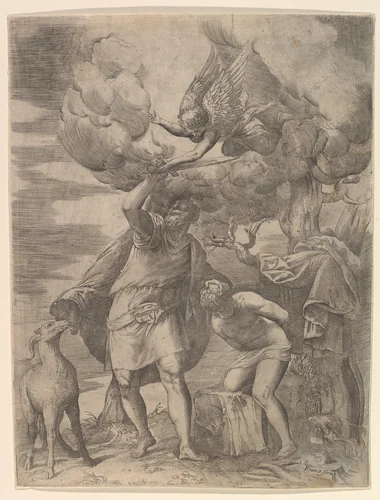
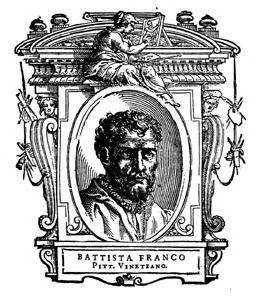
Battista Franco Veneziano, baptized Giovanni Battista Franco (c. 1510-1561), occupies an important position among the Italian Mannerist artists of the mid-sixteenth century. Identified also as il Semolei, Franco’s career was defined by geographical mobility, allowing him to absorb and synthesize artistic currents across the major centers of the peninsula, including Rome, Urbino, and Venice. Distinguished as both a painter and, crucially, a highly skilled printmaker, he helped popularize the etching technique during a period of intense experimentation in the graphic arts.
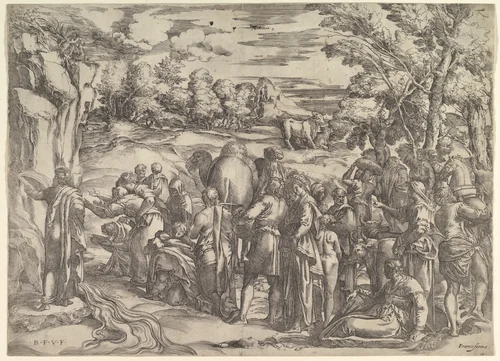
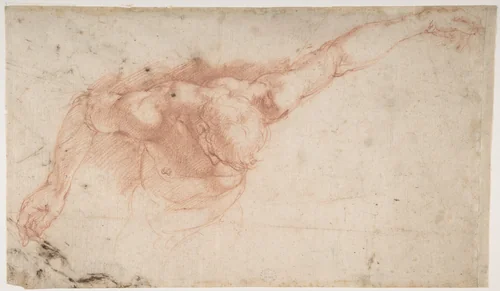
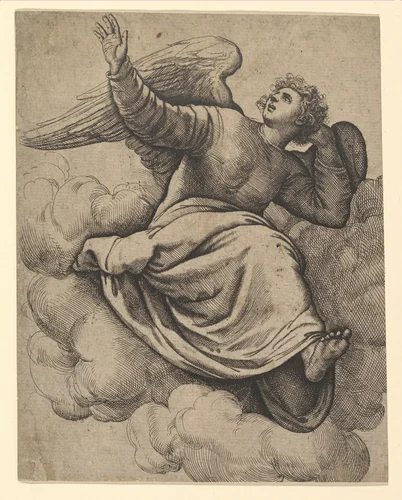
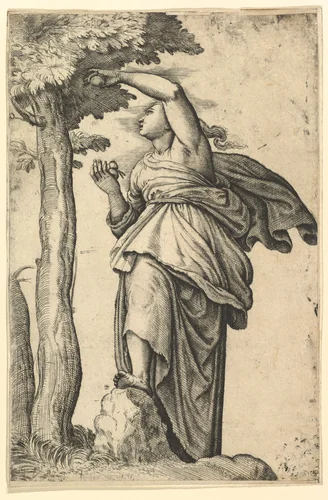
While a complete catalogue of Battista Franco paintings remains a subject of ongoing scholarship, his enduring legacy resides primarily in his comprehensive catalogue of prints and drawings. Franco harnessed the fluidity of etching to translate grand, detailed compositions onto copper plates, making complex visual narratives widely reproducible. Works like Moses Striking the Rock and Abraham Paying Tithes to Melchisedek exemplify his powerful command over figure drawing and dramatic grouping, characteristic of the Roman style he absorbed while studying under luminaries like Michelangelo.
Beyond biblical subjects, Franco possessed a profound interest in decorative schemes and architectural ornament. His versatility is evident in highly specialized studies such as Design for the Decoration of a Lunette with a Large Central Cartouche, which showcases the meticulous planning required for sixteenth-century interior design. It is perhaps in preparatory sheets like the Drawing of Cartouche with Bearded Man Left, Young man crowned with Laurels Right, and Four Putti that we witness Franco’s slightly overwhelming zeal for classical motifs, proving that in the Renaissance, too many putti was just the right number.
Today, these historically significant drawings and high-quality prints are preserved in the world’s leading museums, including the Art Institute of Chicago, the Metropolitan Museum of Art, and the National Gallery of Art. The robust nature of Battista Franco prints ensures their continued relevance. Many of these graphic works are now in the public domain, guaranteeing that scholarship and appreciation for this pivotal Mannerist figure remain strong, with much of his downloadable artwork accessible to the contemporary public.
Source: Wikipedia · CC BY-SA 4.0