Battista Angolo del Moro
Battista Angolo del Moro was a significant figure of the Italian High Renaissance, actively contributing to the flourishing artistic dialogue across Northern Italy. Documented as active from the beginning of the 16th century until roughly 1535, his career spanned a vital period marked by the transition towards the dynamic forms of the early Mannerists. Based primarily in his native Verona, his influence extended through the powerful cultural centers of Mantua and Venice, where he operated as both a painter of repute and, crucially, a prolific printmaker.
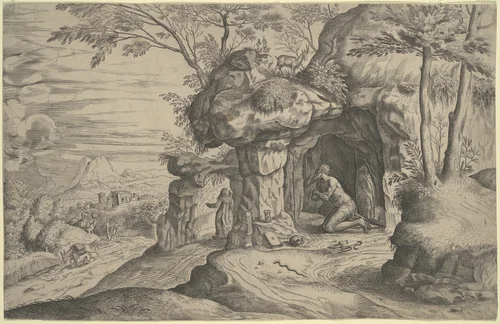
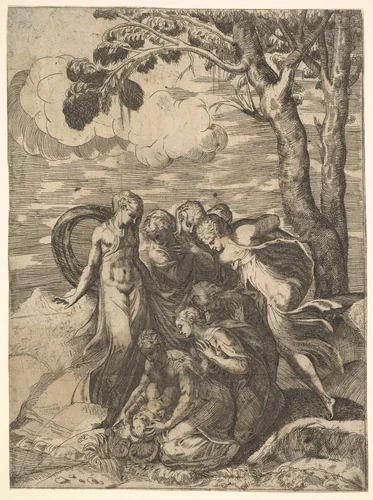
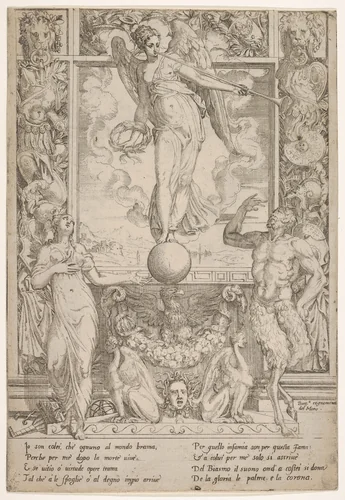
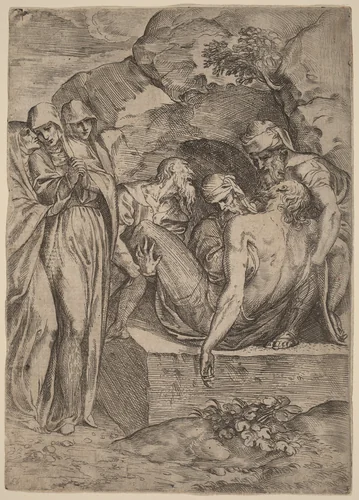
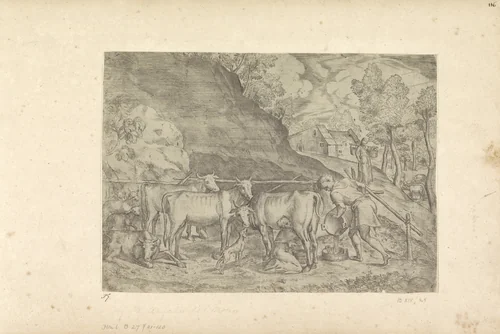
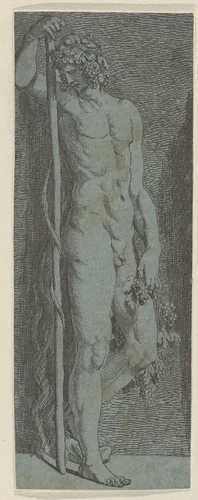
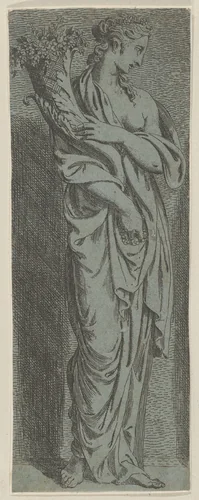
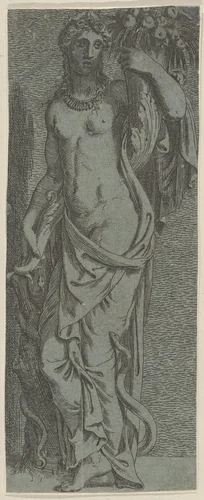
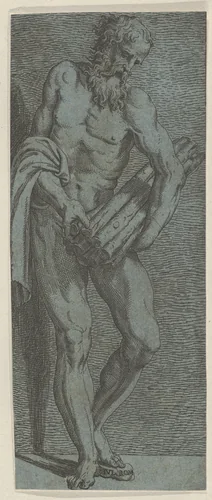
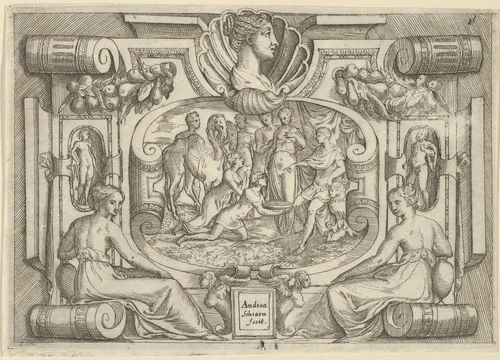
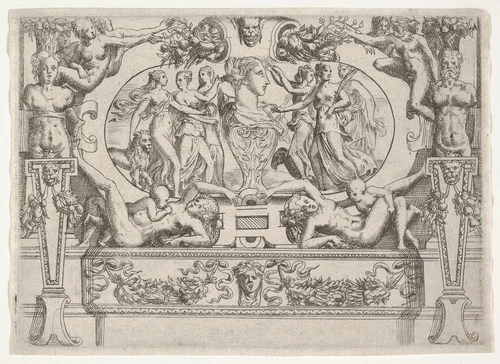
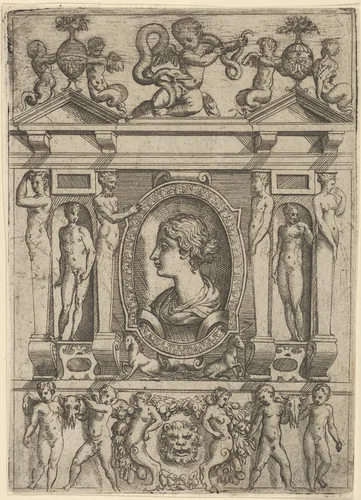
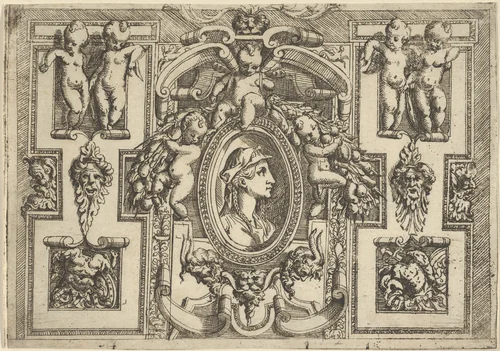
Although classified broadly as a painter, Del Moro’s most enduring legacy rests within his sophisticated corpus of graphic work. His command over etching and engraving techniques allowed him to translate complex compositions into precise, detailed prints, making him a crucial vector for disseminating regional styles across Europe. His subjects were wide-ranging, demonstrating command over diverse visual narratives, from the deeply religious and spiritual works captured in pieces such as Landscape with Penitent Saints and the focused drama of Moses Rescued from the Nile, to the mythological dynamism found in the figure study Fame.
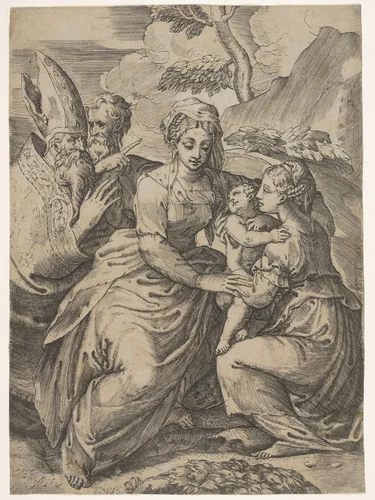
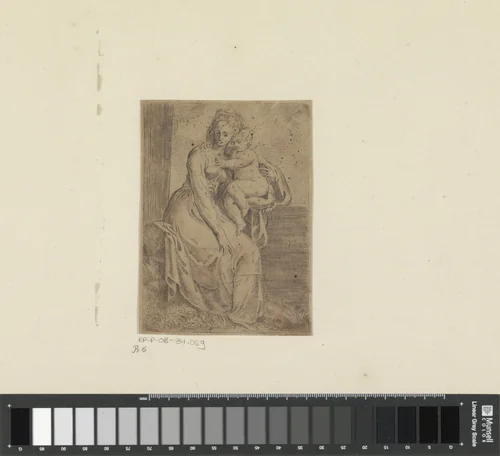
Del Moro’s technical acuity allowed him to interpret and reproduce the work of his famous contemporaries with fidelity. Notably, his rendition of Madonna and Child with Saints (after Parmigianino) is not merely a copy; it is an intelligent homage that captures the elegant sprezzatura of the master while showcasing Del Moro’s distinct draftsmanship. One could argue that artists producing Battista Angolo del Moro prints were the original high-quality print publishers, ensuring that important regional innovations transcended geographical boundaries efficiently.
The significance of Battista Angolo del Moro’s artistic contribution is underscored by the continued study and preservation of his output in major global institutions, including the Metropolitan Museum of Art, the Rijksmuseum, and the National Gallery of Art. Today, because many of these historic pieces reside in the public domain, downloadable artwork derived from his skilled prints allows modern audiences to experience the nuanced skill of a foundational Renaissance artist centuries after their creation.
Source: Wikipedia · CC BY-SA 4.0