Bartolommeo Coriolano
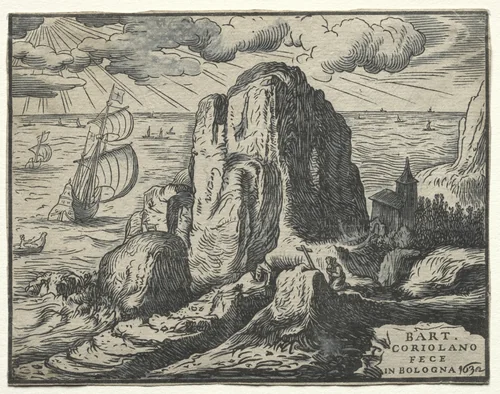
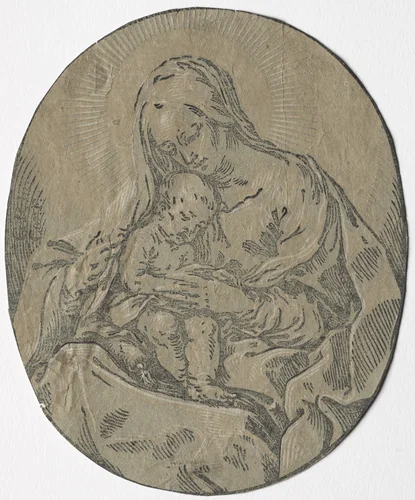
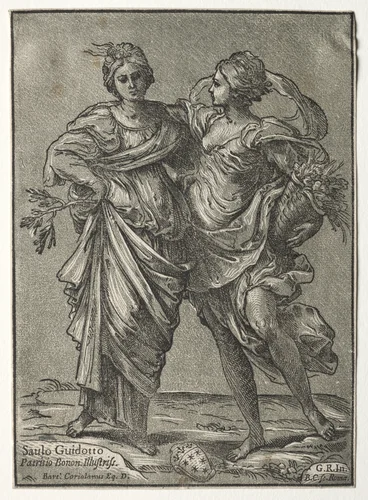
Bartolommeo Coriolano (c. 1609-1642) holds a significant position within the artistic landscape of the Italian Baroque period. An accomplished printmaker, his career, spanning little more than three decades, was devoted primarily to the technically demanding and visually subtle medium of the color woodcut. This specialization placed him among a select group of graphic artists who pushed the potential of relief printing far beyond simple linear reproduction, establishing a clear lineage of mastery in the burgeoning seventeenth-century print market.
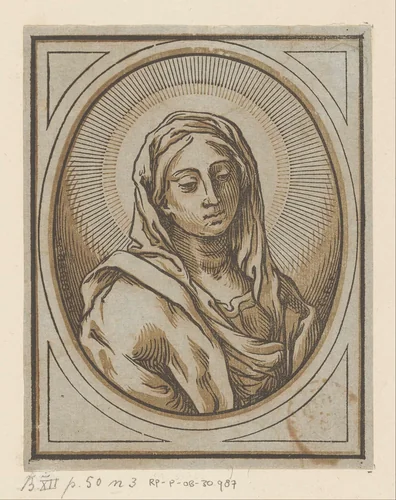
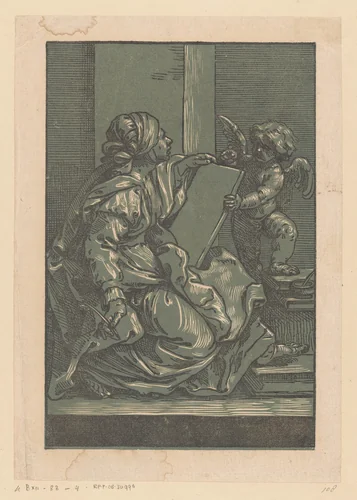
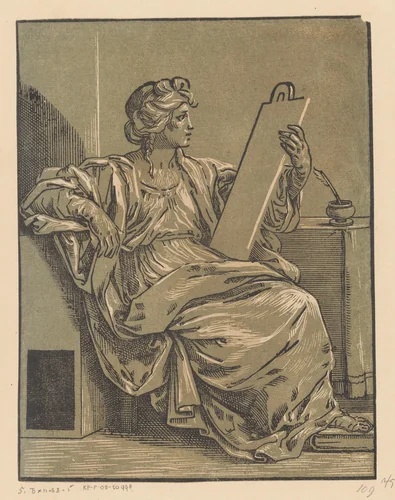
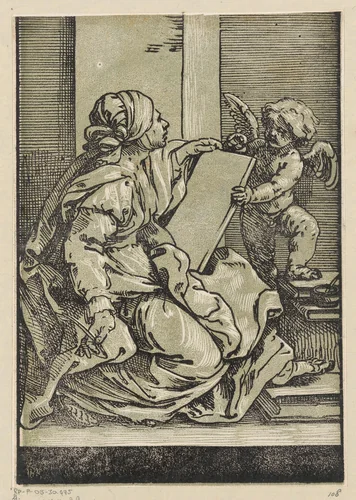
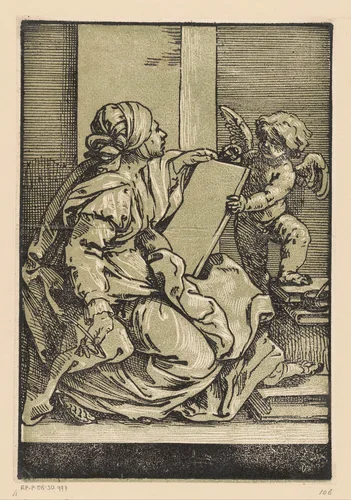
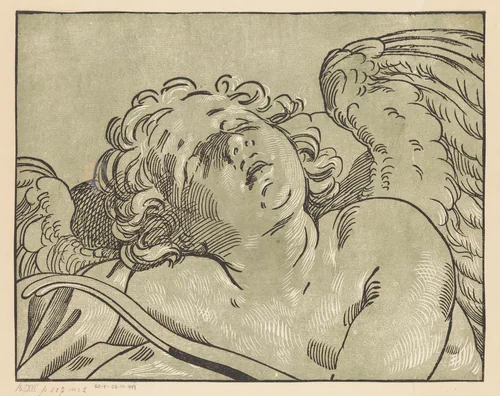
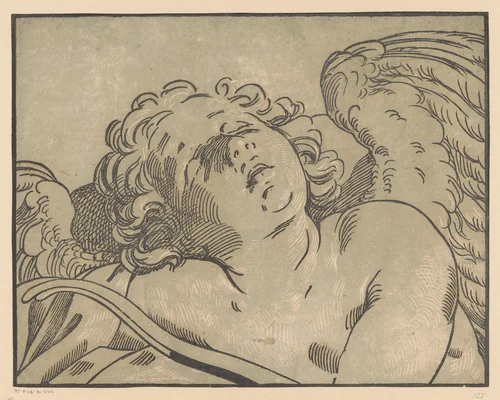
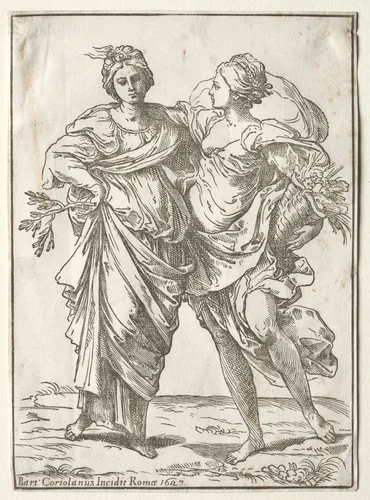
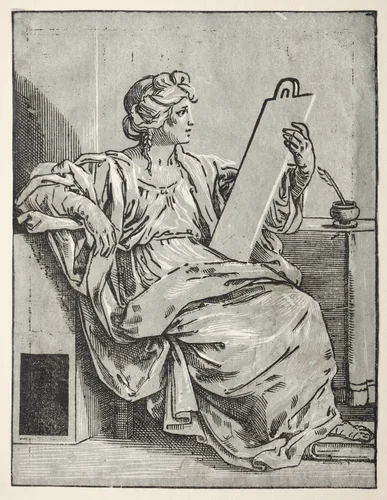
Coriolano's strength lay in his command of the chiaroscuro woodcut. This technique required the precise registration of multiple wood blocks, each inked with a different tone or color, to achieve the illusion of wash drawing and modeling. Works such as his various iterations of Sibille demonstrate a sophisticated understanding of light and shadow, translating the drama inherent in Baroque painting into a reproducible graphic form. These museum-quality results, which successfully bridged the gap between painting and the graphic arts, are held in prestigious international collections, including the Rijksmuseum and the Cleveland Museum of Art.
Printmaking was a family enterprise for the Coriolano dynasty. Bartolommeo worked alongside his brother, Giovanni Battista Coriolano, a recognized woodcutter, and their practice was often associated with Cristoforo Coriolano, also cited as a woodcut specialist. While their contributions are undeniable, the exact nature of the relationship between Bartolommeo and Cristoforo remains an intriguing, minor point of scholarly discussion, hinting at the fluidity of artistic guilds during the era.
Coriolano’s commitment to his craft extended to the next generation; his daughter, Teresa Maria Coriolano, later pursued a career as a painter and engraver. Today, Coriolano’s artistic legacy is highly accessible. Many of his historical high-quality prints are now residing in the public domain, ensuring that this compelling body of reproductive art is available as downloadable artwork for scholarship and enjoyment on a royalty-free basis. These Bartolommeo Coriolano prints offer a definitive window into the graphic sensibilities of the Italian Baroque.
Source: Wikipedia · CC BY-SA 4.0