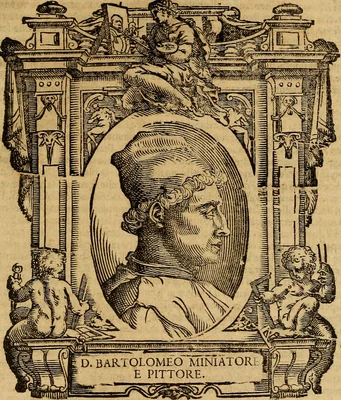
Bartolommeo Caporali
Bartolommeo Caporali (active c. 1469-1503) was a prolific Italian painter and miniaturist instrumental in defining the visual language of the Early Renaissance in Perugia, Umbria. His work spans a crucial period when the region shifted from established Gothic traditions toward the refinement and classicism that would characterize the High Renaissance. Initially, Caporali was trained under established local masters, drawing significant influence from the detailed naturalism of Domenico Boccati and the narrative expressiveness of Benozzo Gozzoli.
Caporali’s long and successful career necessitated an exceptionally diverse professional practice. While his artistic legacy is preserved in prominent altarpieces, such as the Madonna and Saints (1487) completed for Santa Maria Maddalena, and the devotional Adoration of the Shepherds, his workshop routinely accepted commissions for gilding, restoration, armorials, and celebratory banners. This unusual breadth of output, ranging from sacred panels to temporary civic decorations, suggests the pragmatic flexibility required of a leading Quattrocento master.
His style remained sensitive to regional developments, evolving fluidly alongside the emergent talents of younger Umbrian contemporaries like Fiorenzo di Lorenzo, Perugino, and Pinturicchio. This keen sense of observation allowed his Bartolommeo Caporali paintings to maintain relevance as the Florentine influence permeated central Italy.
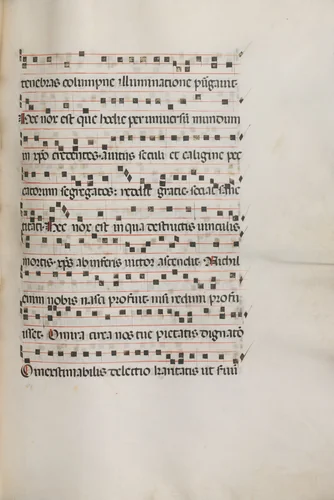
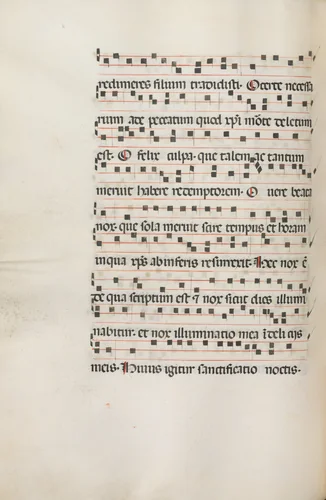
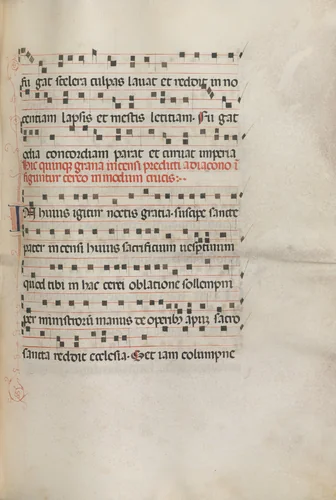
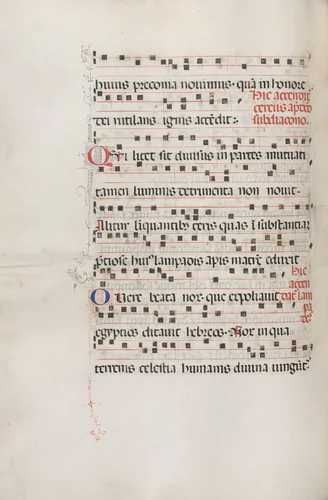
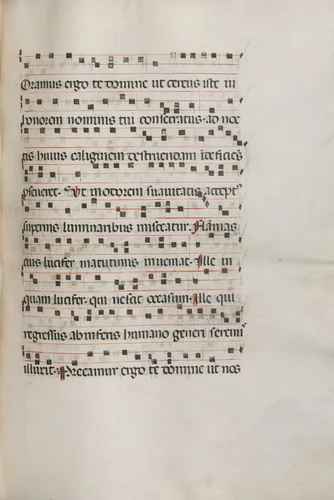
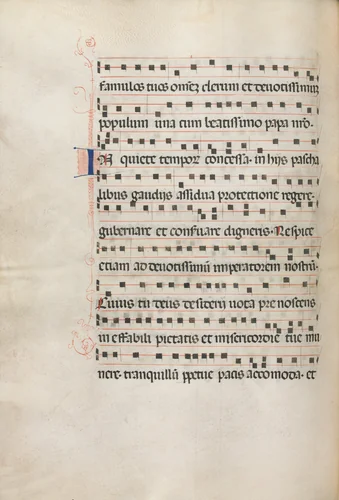
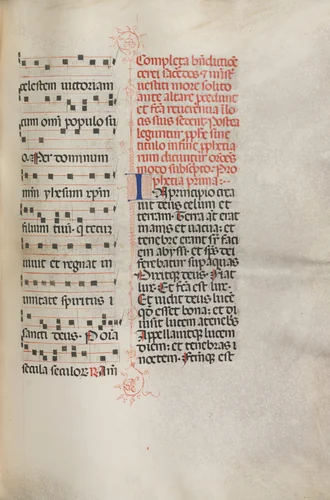
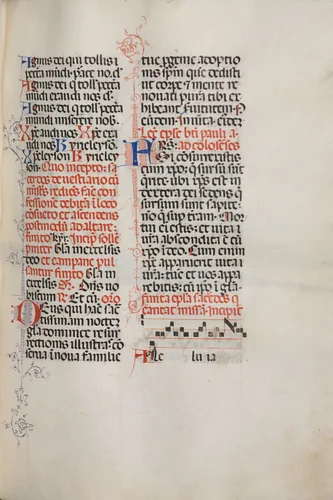
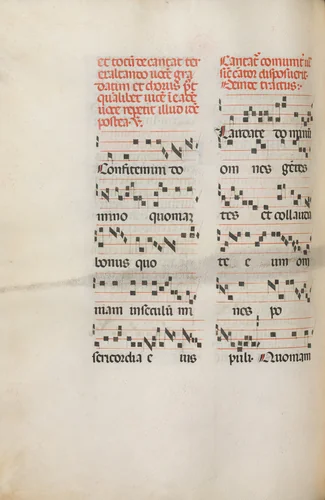
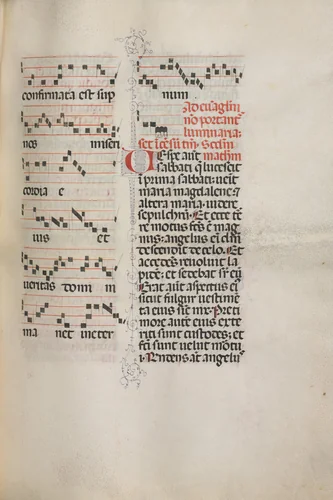
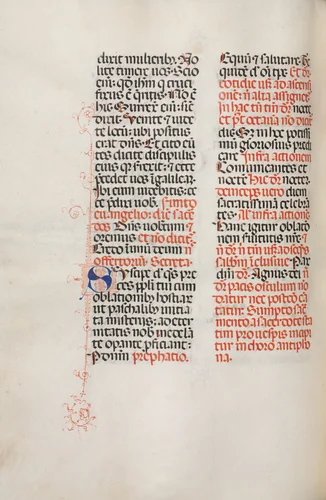
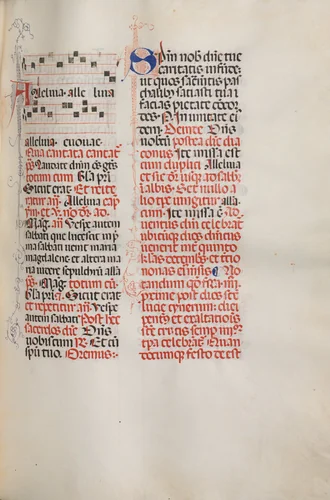
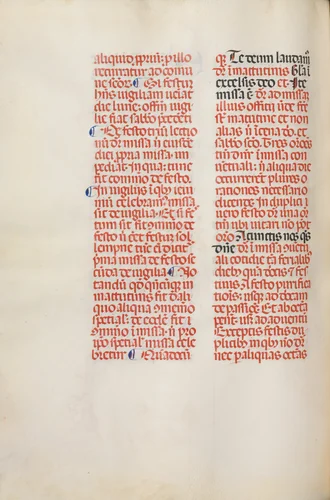
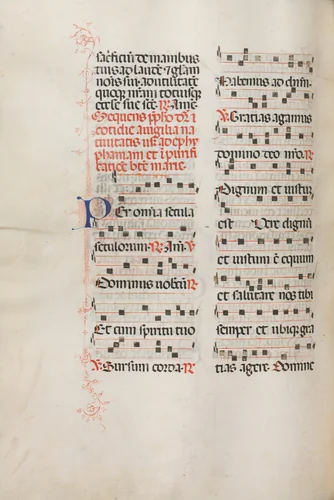
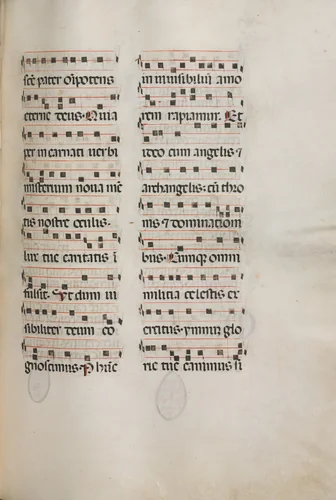
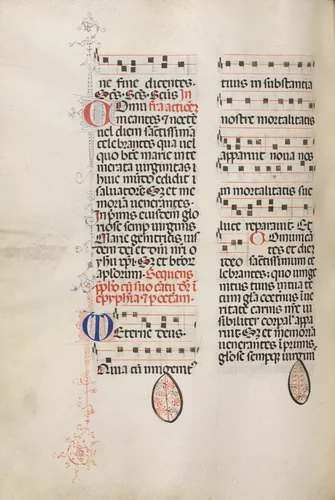
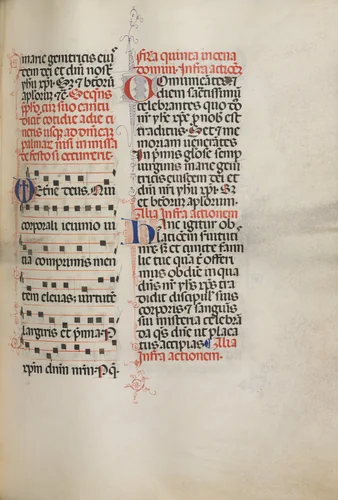
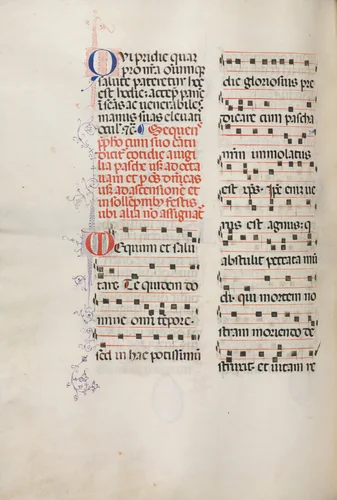
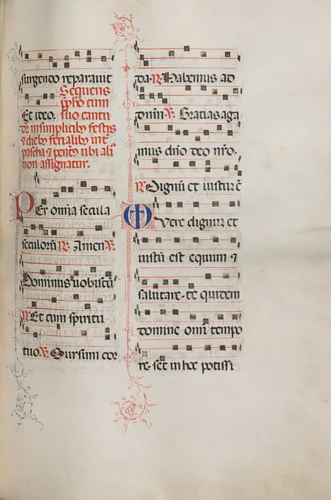
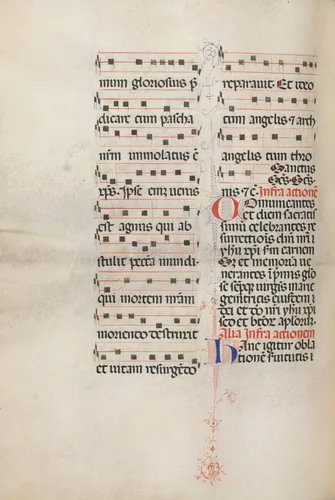
Perhaps the most precise demonstration of Caporali’s detail-oriented skill rests in his work as an illuminator. Documented as having completed at least fifteen liturgical books, he specialized in missals which often required the demanding integration of complex elements. The execution of folios, such as those held in the collection of the Cleveland Museum of Art, showcases his capacity to render miniature narrative scenes like Saint Matthew with Angel, alongside technically difficult inclusions of early musical notation for sequences such as the Palm Sunday liturgy. Today, this meticulous output provides viewers with museum-quality access to Renaissance illumination, and this downloadable artwork is increasingly available as high-quality prints, ensuring the endurance of Caporali’s decorative expertise.
Source: Wikipedia · CC BY-SA 4.0