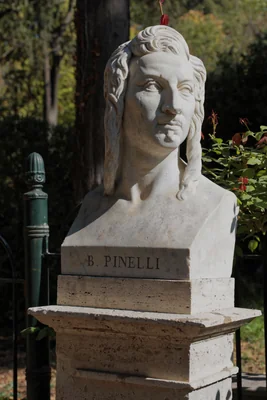
Bartolomeo Pinelli
Bartolomeo Pinelli (active 1781-1808) was a foundational Italian illustrator and engraver whose visual output defined the Roman aesthetic at the crucial turn of the nineteenth century. Active during a period of intense historical change, his prolific, if relatively brief, career successfully captured both the lingering classicism of the city and the vibrant vernacular life that permeated its surrounding region.
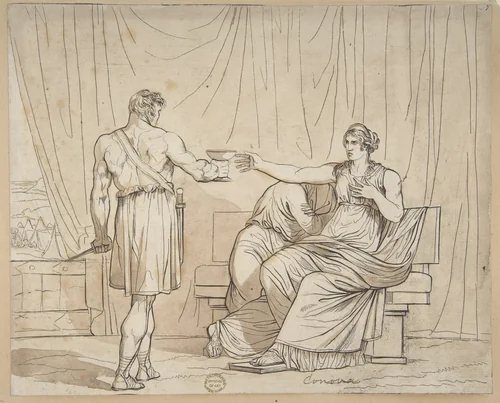
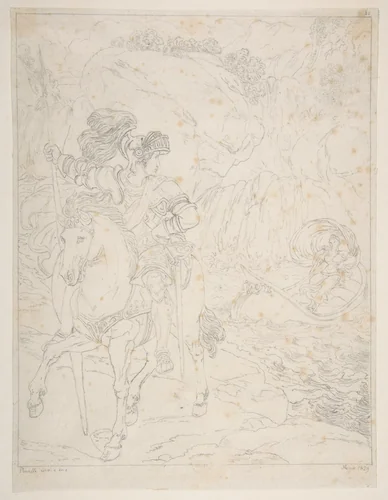
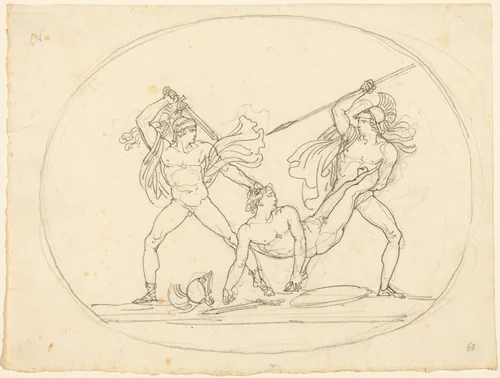
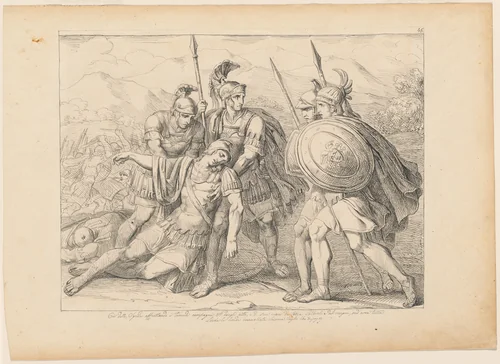
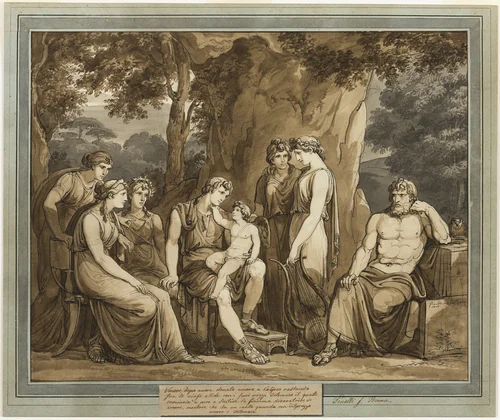
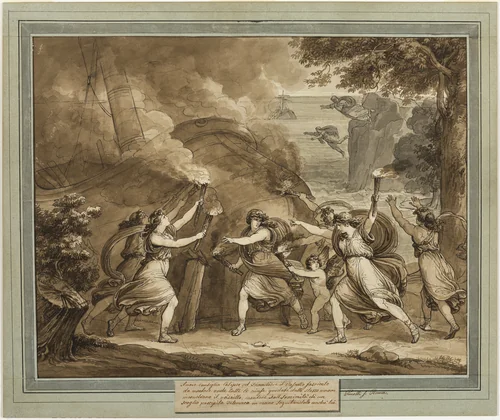
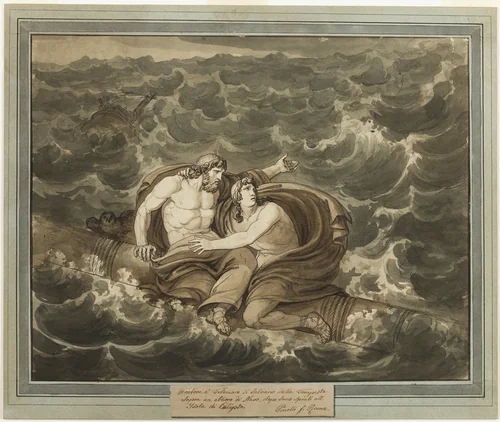
Pinelli’s extensive oeuvre demonstrates a remarkable duality in subject matter. On one hand, he engaged with weighty classical themes, producing powerful compositional studies such as the dramatic Death of a Roman Matron and the highly kinetic Two Ancient Warriors Fighting over a Dead Comrade. These works positioned him squarely within the traditional academic environment of Rome.
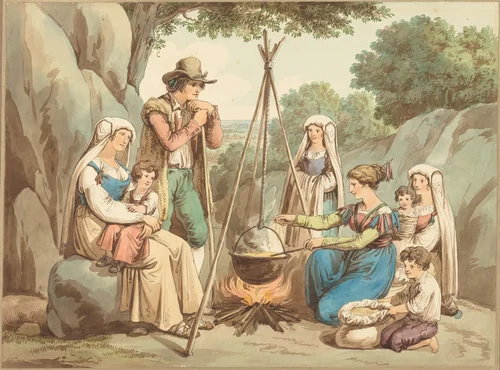
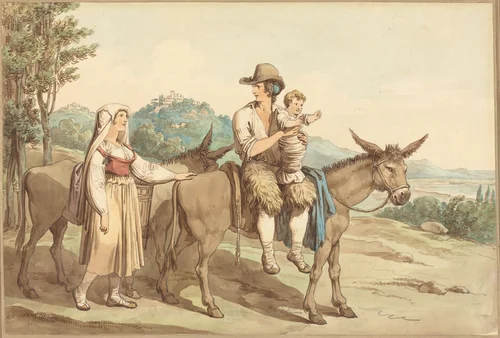
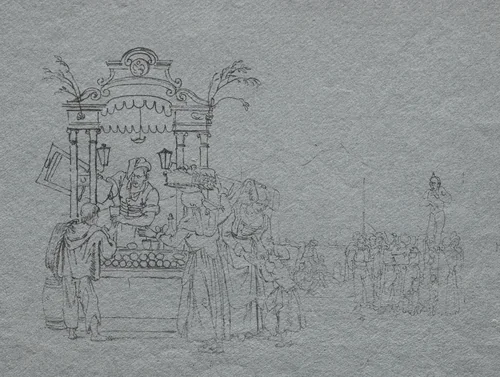
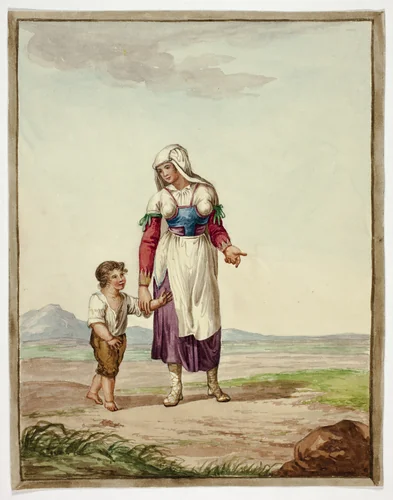
On the other hand, his signature pen and ink studies often shifted focus entirely toward the popolo, the ordinary citizens and rural families of the Lazio region. These detailed ethnographic documents, exemplified by studies like A Peasant Family Cooking over a Campfire and A Peasant Family and Two Donkeys, were essential to defining the visual experience for foreigners undertaking the Grand Tour. His commitment to documenting intimate, everyday interactions was a refreshing and immediate counterpoint to the monumental expectations typically placed upon Roman artists of the time.
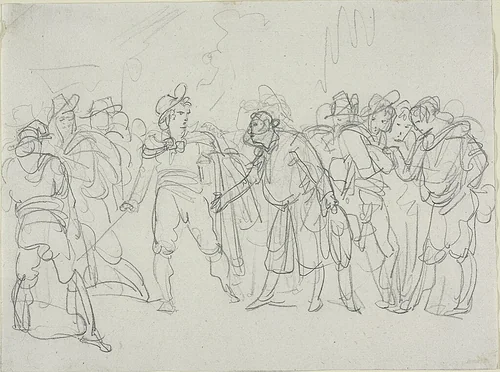
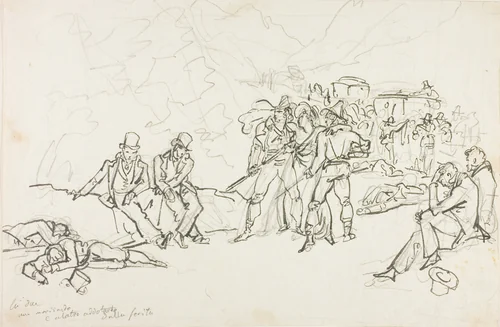
While known primarily for his drawings and sophisticated printmaking techniques, Pinelli’s versatility extended across media, indicated by documented examples of Bartolomeo Pinelli paintings, including the work listed simply as Romantic Subject. His focus on generating repeatable prints ensured wide dissemination of his art throughout Europe, establishing a reputation that endured long after his death.
Today, Pinelli’s works are highly valued as museum-quality examples of late neoclassical illustration. Significant holdings, encompassing thirteen documented drawings, a print, and a painting, reside in major North American institutions such as the Metropolitan Museum of Art, the Cleveland Museum of Art, and the Art Institute of Chicago. Because the era in which he worked places his illustrations squarely within the public domain, high-quality prints and downloadable artwork of his detailed visual records remain widely available to scholars and admirers globally.
Source: Wikipedia · CC BY-SA 4.0