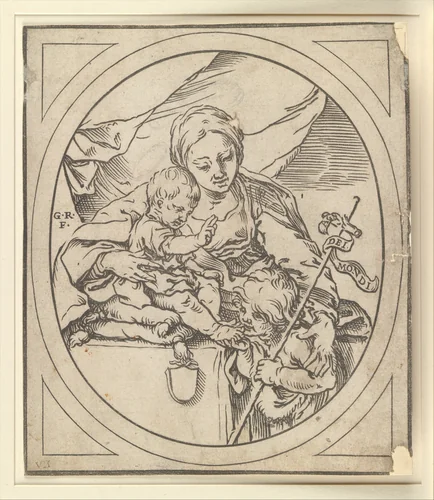
Bartolomeo Coriolano
Bartolomeo Coriolano holds a distinctive place within the tradition of 17th-century Italian printmaking. Active primarily in Rome and Bologna between 1627 and 1647, Coriolano dedicated himself to the technically demanding medium of the woodcut, often utilizing color to achieve sophisticated chiaroscuro effects characteristic of the high Baroque period. While the era saw an increasing focus on the finesse and detail achievable through copperplate engraving, Coriolano’s commitment to relief printing both preserved and advanced the medium, transforming reproductive printmaking into an art form capable of remarkable tonal depth and dramatic flair.
Coriolano emerged from a well-established lineage of printmakers. His brother, Giovanni Battista Coriolano, and his father, Cristoforo Coriolano, were also prominent woodcut artists. This multi-generational concentration of expertise underscores the importance of inherited skill in maintaining the technical standards necessary for creating museum-quality prints. It is worth noting that the precise familial relationship between Cristoforo and Bartolomeo has been a source of occasional scholarly inquiry—a minor ambiguity common in the tightly knit artisan workshops of 17th-century Italy.
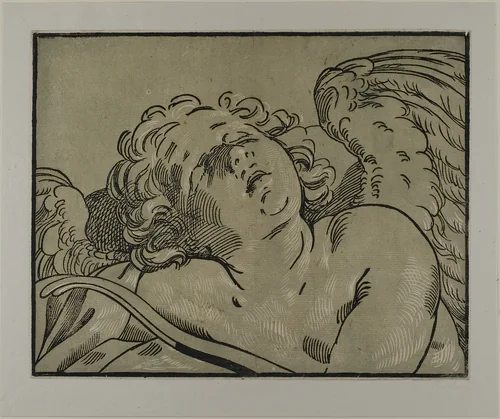
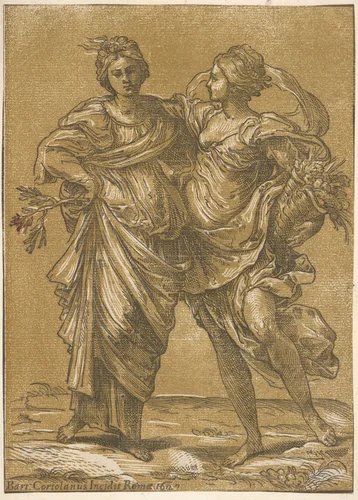
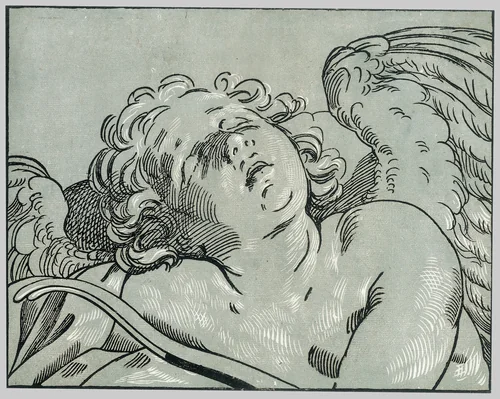
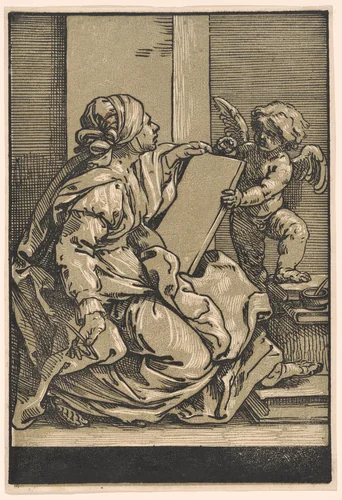
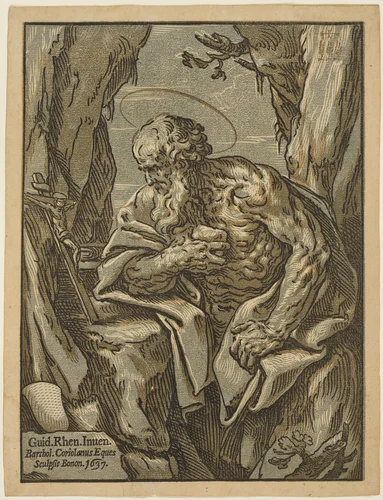
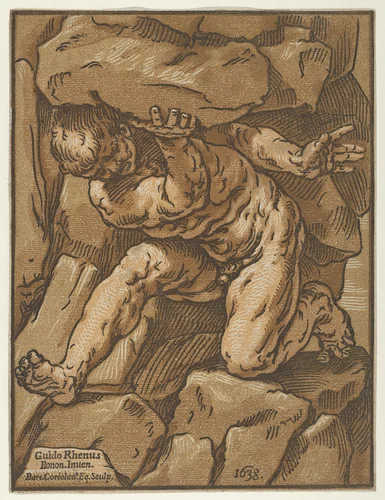
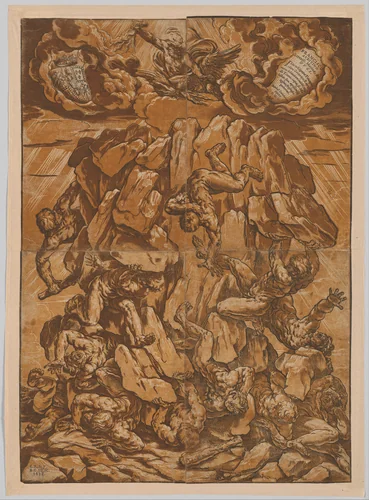
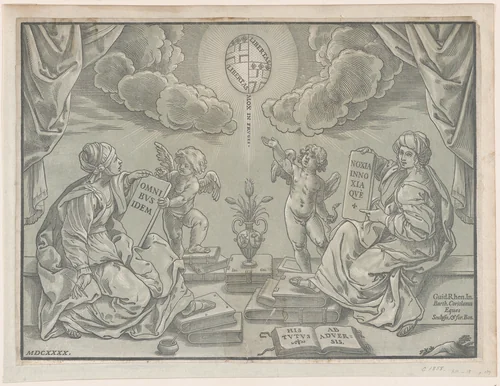
Coriolano’s surviving oeuvre, though modest in scope, demonstrates a consistent mastery of line and shadow. His subject matter often addressed classical and devotional themes, adapting the dramatic qualities of contemporary painting into the highly graphic language of the woodcut. Notable examples include the tender complexity of Bust of Sleeping Cupid and the allegorical clarity of Two women representing the alliance of Peace and Abundance. Through works such as Sibyl Holding a Tablet with a Winged Putto and the powerful Saint Jerome, Coriolano ensured the continued viability of the color woodcut well into an age dominated by intaglio techniques.
Coriolano’s influence extended beyond his own productive years; his daughter, Teresa Maria Coriolano, successfully established herself as a recognized painter and engraver, carrying the family tradition forward. Today, the few known examples of Bartolomeo Coriolano prints are held in major institutional collections, including the Art Institute of Chicago and the Metropolitan Museum of Art. Because many of these historic images have entered the public domain, they are increasingly accessible to a global audience, allowing scholars and enthusiasts alike to access downloadable artwork and high-quality prints reflecting the original works’ meticulous detail.
Source: Wikipedia · CC BY-SA 4.0