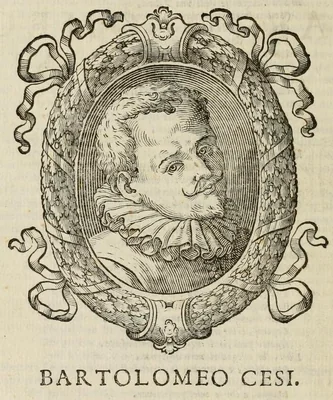
Bartolomeo Cesi
Bartolomeo Cesi (1500-1619) was a vital contributor to the development of the Bolognese School, recognized equally as a painter of monumental frescoes and an exceptional draftsman. His long and productive career spanned a period of profound stylistic transition in Italy, positioning him as a crucial figure who synthesized the discipline of the late Renaissance with the emerging visual demands of the Baroque era.
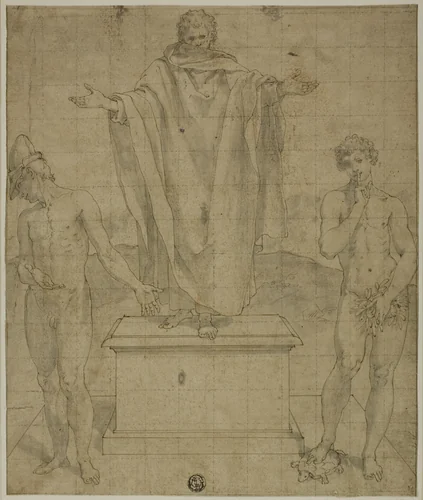
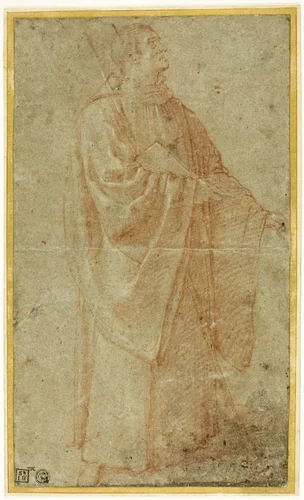
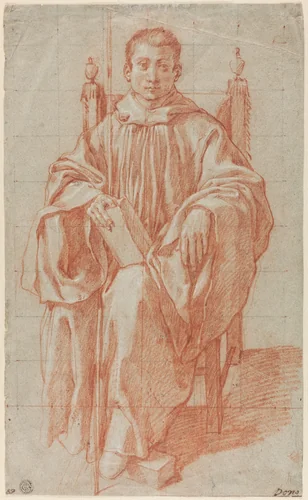
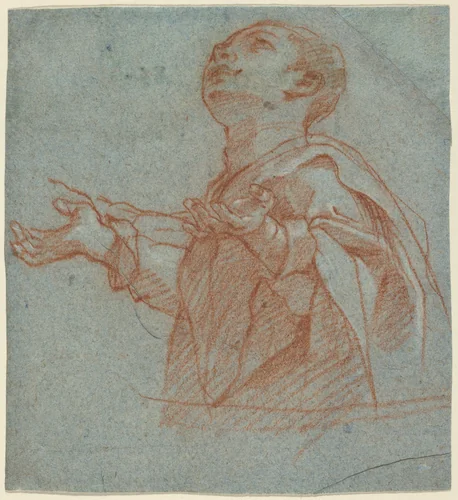
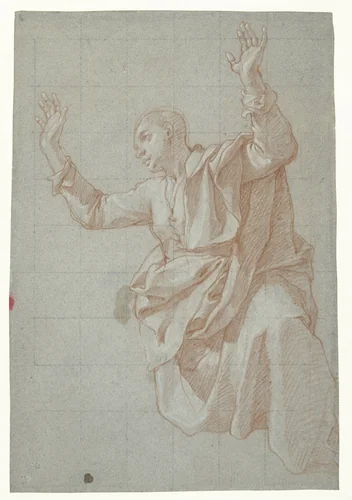
Although Cesi produced notable portraits and mythological scenes, his lasting reputation rests securely on his substantial body of religious paintings. His rigorous, academic approach to composition is best observed in his surviving preparatory studies, which demonstrate a remarkable command of form and light. Examples such as Study for Allegory of Faith and Silence and Seated Youth Wearing a Monk's Habit: Study for Saint Benedict reveal his mastery of chiaroscuro and complex drapery. He was keenly invested in the depiction of devotion and human weight, capturing the physical burdens of garments and the subtlety of gesture with an almost forensic clarity.
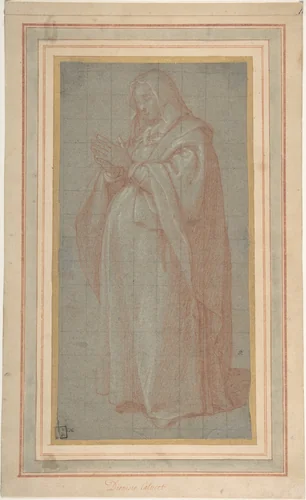
Cesi was artistically versatile, executing grand fresco cycles alongside more intimate easel paintings, distinguishing him within the competitive Bolognese milieu. His style is characterized by its clear definition and a somewhat sober coloration, traits typical of the classicizing tendencies of the region before the fully charged emotionalism of the later seventeenth century took hold. His dedication to meticulous observation often led him to create strikingly specific preparatory works, such as the Standing Pregnant Woman (Study for the Pregnant Virgin Mary), illustrating an artist deeply invested in factual anatomical representation, even when addressing hallowed religious themes.
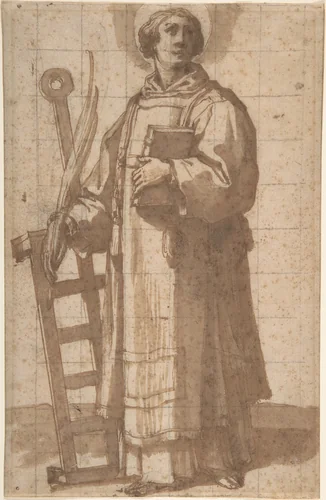
This commitment to observational detail and technical mastery ensures his continued relevance to scholars. Today, Cesi’s most important drawings form the backbone of major American museum collections, with key examples held by the National Gallery of Art, the Art Institute of Chicago, and the Metropolitan Museum of Art. Many of these important studies and Bartolomeo Cesi paintings are now digitized and available as downloadable artwork for academic examination, alongside high-quality prints produced by institutions globally. Cesi’s contribution lies in his codification of the expressive clarity essential to the Bolognese tradition, setting a high standard for draughtsmanship that profoundly influenced succeeding generations of Italian artists.
Source: Wikipedia · CC BY-SA 4.0