Bartolomeo Biscaino
Bartolomeo Biscaino (1632–1657) was a compelling, if tragically ephemeral, figure in 17th-century Genoese Baroque art. His career was active entirely within his native Genoa, where he rapidly absorbed the dynamic artistic currents of the period. Biscaino’s great promise was ultimately curtailed by his untimely death from the plague at the age of twenty-five, leaving behind a compact but profoundly sophisticated body of work centered primarily on printmaking.
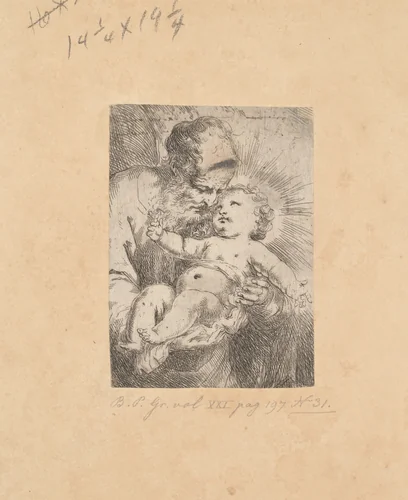
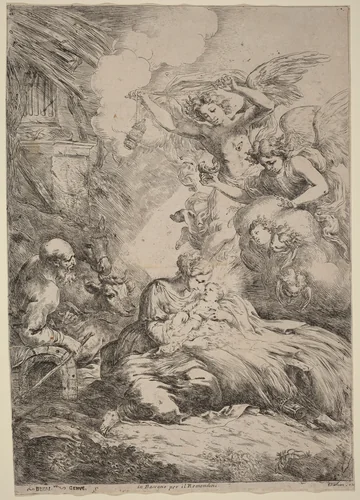
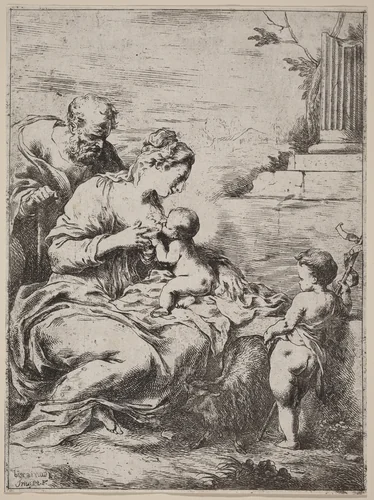
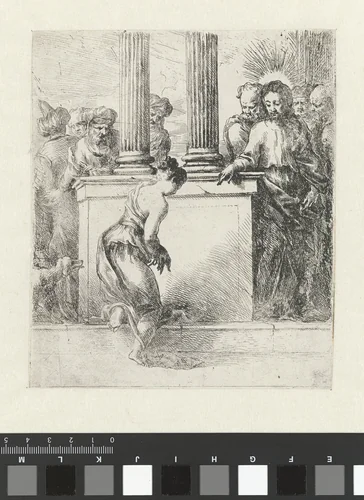
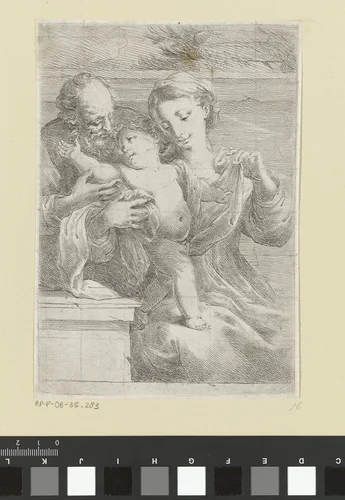
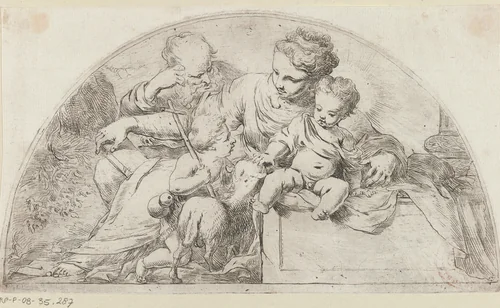
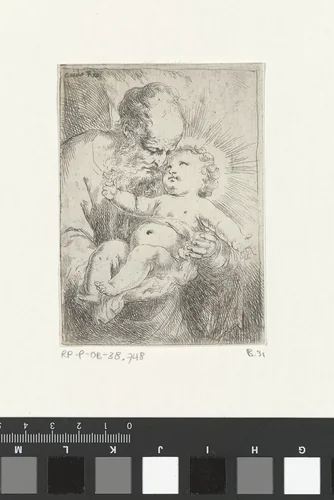
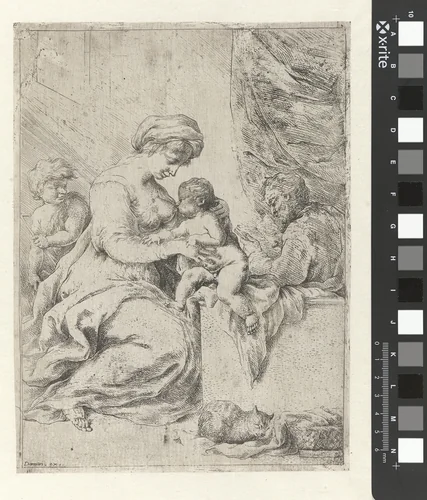
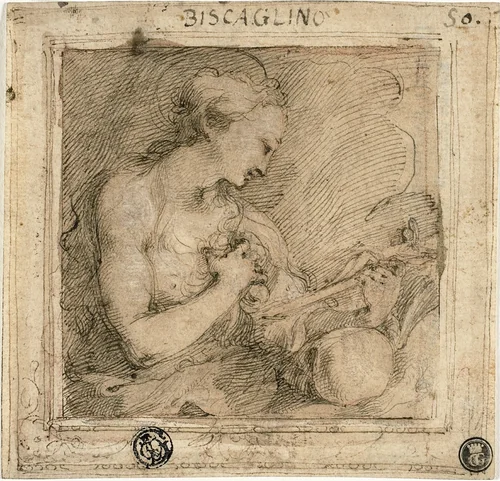
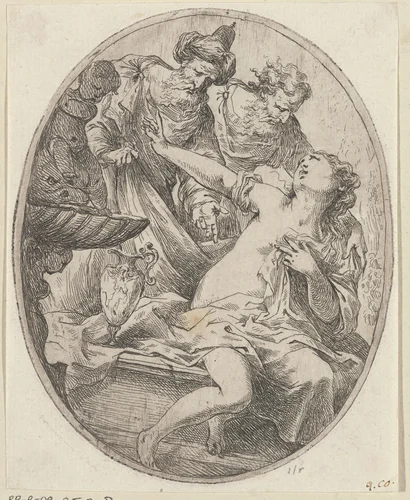
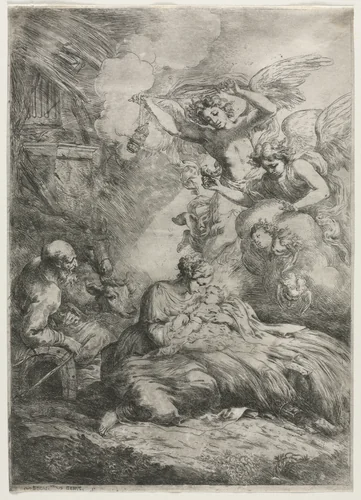
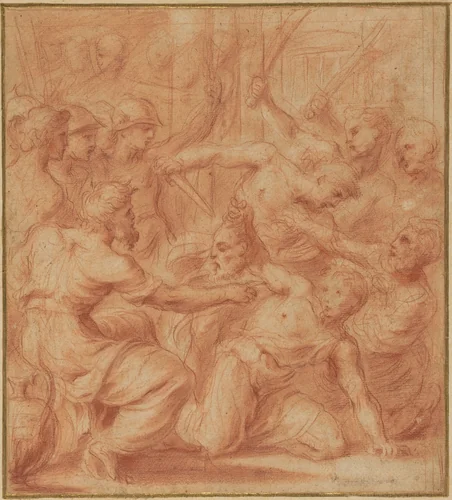
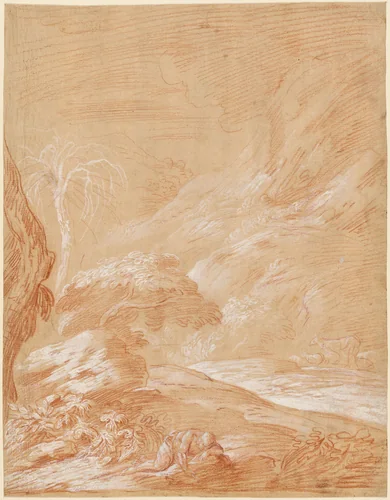
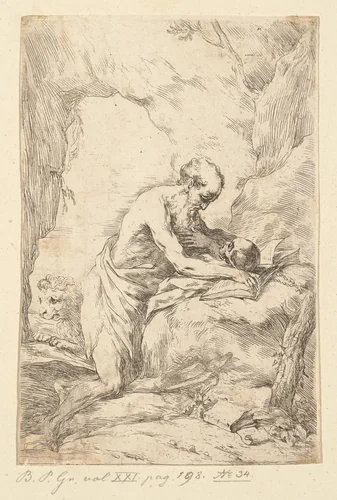
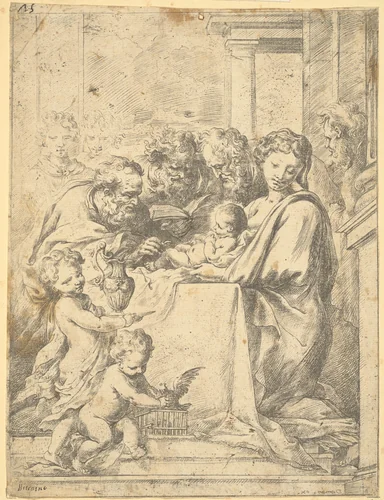
Although historical documentation confirms his activity as a painter, Biscaino’s enduring significance rests almost entirely on his graphic achievements. His catalog, comprising a dozen highly sought-after etchings and a handful of meticulous drawings, reveals an early mastery of composition and dramatic narrative unusual for an artist so young. He specialized in ambitious, often multi-figure, religious and mythological subjects, characterized by their energetic line work and powerful emotional undertones.
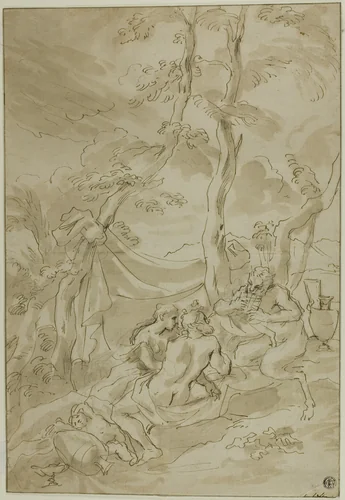
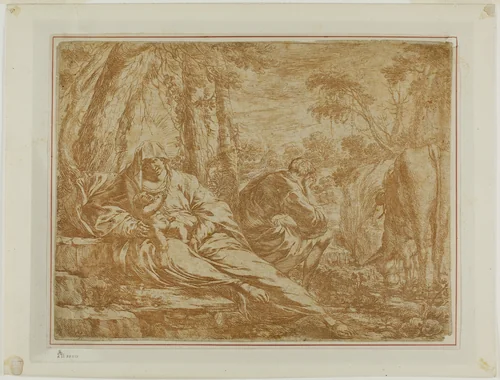
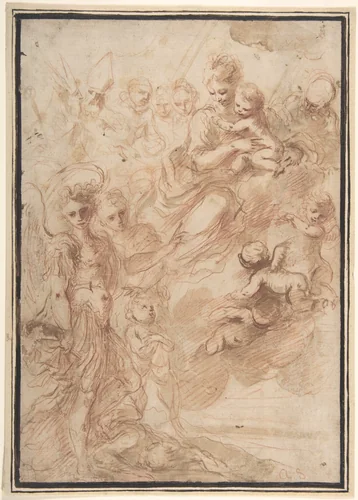
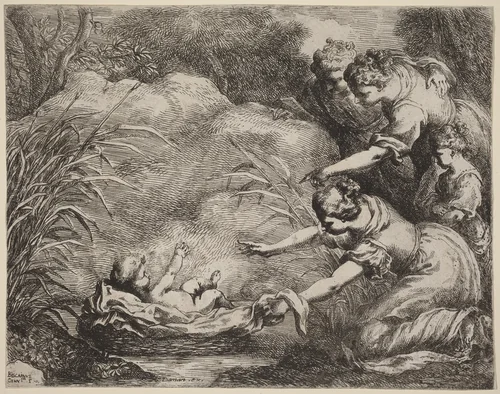
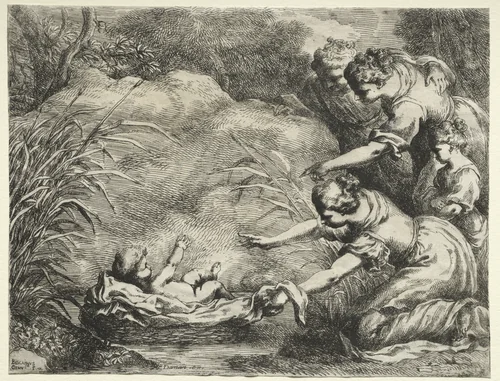
Works such as the complex and densely populated etching Saint Michael the Archangel and Another Figure Recommending a Soul to the Virgin and Child in Heaven showcase his technical prowess, demonstrating an ability to manage multiple planes of action within a confined space. In contrast, the exuberance of the Bacchanale, with Satyr Playing Reeds reveals a lighter, almost playful touch, anticipating certain sensibilities that would define early Rococo. His approach to classical narrative, as seen in The Finding of Moses, blends dramatic tension with classical dignity.
The continued presence of his works in major institutional holdings, including the Metropolitan Museum of Art and the Art Institute of Chicago, confirms the museum-quality standing of his graphic output. Today, scholars and enthusiasts benefit from the wide availability of these rare objects; many of Bartolomeo Biscaino prints are now in the public domain, allowing for the study of downloadable artwork and high-quality prints worldwide. Considering the depth of invention evidenced in his brief lifespan, Biscaino managed to secure a remarkable place in the Genoese school, achieving more artistic substance in two decades than many artists accomplish in a century.
Source: Wikipedia · CC BY-SA 4.0