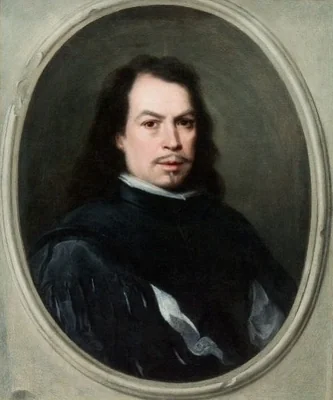
Bartolomé Esteban Murillo
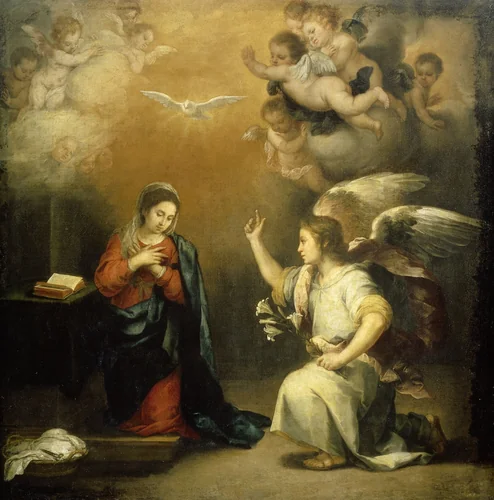
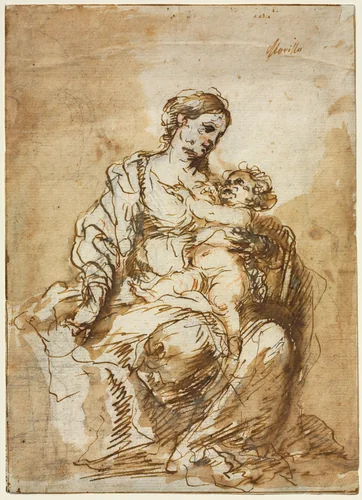
Bartolomé Esteban Murillo (1617-1682) holds a foundational position in the history of Spanish art, serving as the preeminent painter of the high Baroque period in Seville. Highly productive throughout his active years between 1650 and 1675, Murillo is perhaps best characterized by his mastery of duality. While he was widely celebrated for his religious works, delivering moving, deeply spiritual depictions such as the Annunciation to the Virgin and the tender Madonna Nursing the Christ Child, he simultaneously dedicated significant energy to chronicling the secular realities of his city.
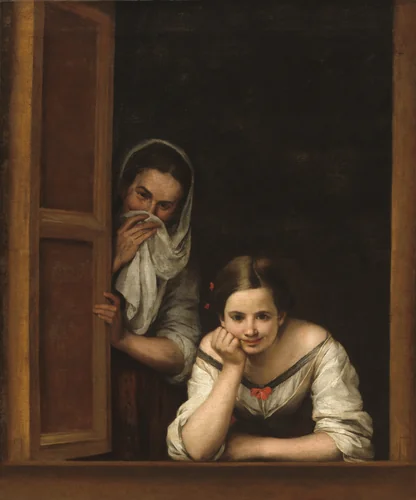
Murillo’s enduring legacy is reinforced by his innovative approach to genre painting. Moving beyond commissioned piety, he produced a considerable number of strikingly lively, realistic portraits of contemporary women and children. These compositions, featuring street urchins, flower girls, and beggars, provided an extensive and sympathetic record of the everyday life of his times, figures traditionally ignored in high art. Works such as Two Women at a Window display his precise handling of light and shadow, elevating these marginalized subjects with a palpable human dignity. The powerful realism of Bartolomé Esteban Murillo paintings ensures their constant demand for acquisition and display by the world’s leading museums.
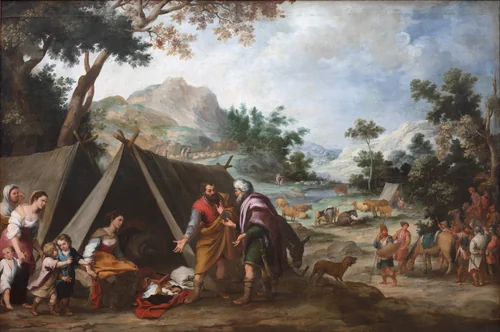
Beyond these two thematic pillars, Murillo engaged with complex narrative scenes, including the dramatic Laban Searching for his Stolen Household Gods, and captured his own evolution through two revealing self-portraits. One, held in the Frick Collection, portrays the artist in his thirties, while the other, residing in London’s National Gallery, captures him approximately two decades later. Taken together, these portraits offer a unique visual biography, allowing viewers a rare glimpse into the personal development of a master otherwise known primarily for his visions of the sublime.
Today, Murillo’s canvases are central to major international collections, including the Rijksmuseum, the National Gallery of Art, and the Art Institute of Chicago. As a key figure of the Spanish Golden Age, many of the finest Bartolomé Esteban Murillo prints and images are now widely available in the public domain, guaranteeing perpetual access to high-quality prints for global scholars and enthusiasts alike.
Source: Wikipedia · CC BY-SA 4.0