Bartholomeus van der Helst
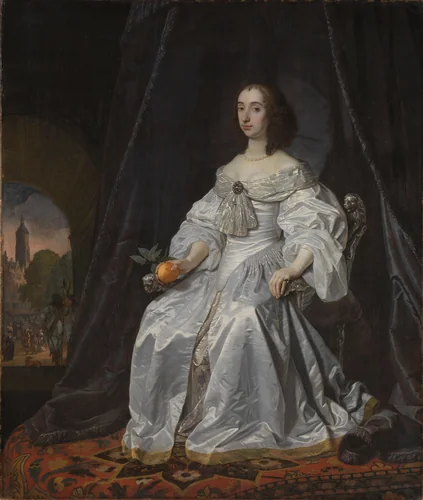
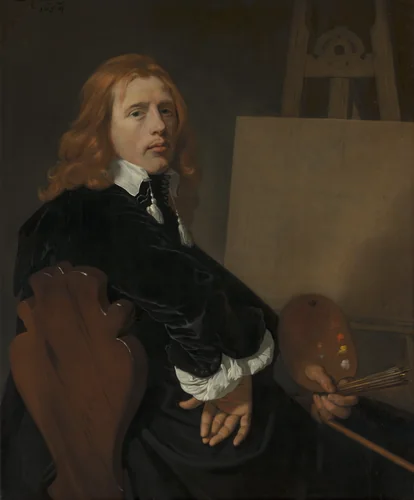
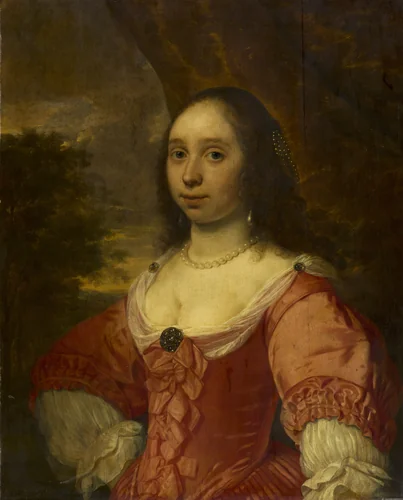
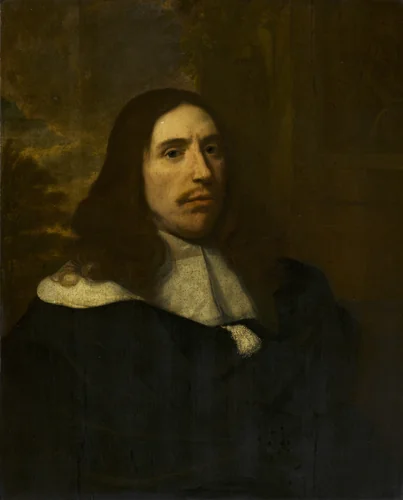
Bartholomeus van der Helst (1613-1670) stands among the definitive figures in seventeenth-century Dutch portraiture. Active from 1640 until his death, he quickly rose to prominence as the favored chronicler of Amsterdam’s ruling elite, earning a reputation for elegant technique that garnered patronage from the city’s patriciate and the Stadtholder’s circle alike. His success frequently challenged, and in some areas temporarily eclipsed, the popularity of his famous contemporary, Rembrandt, particularly concerning large-scale commissions.
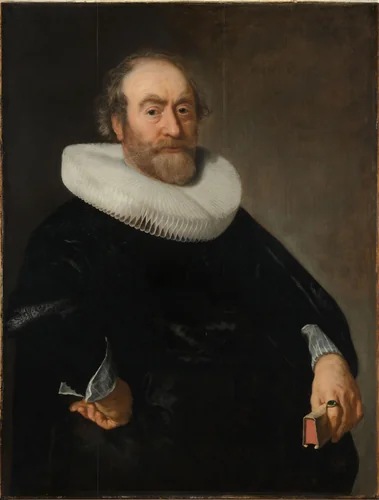
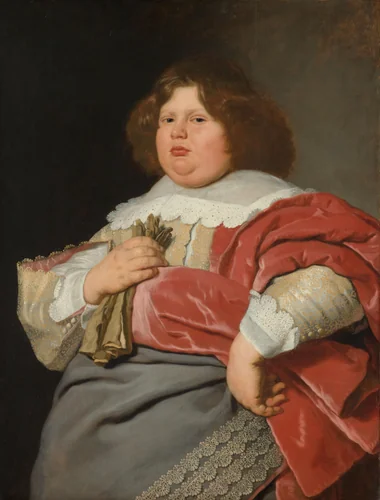
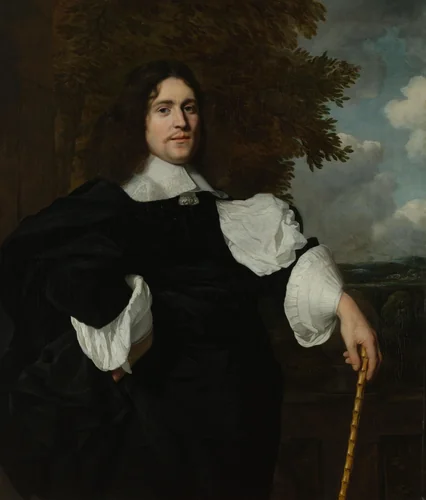
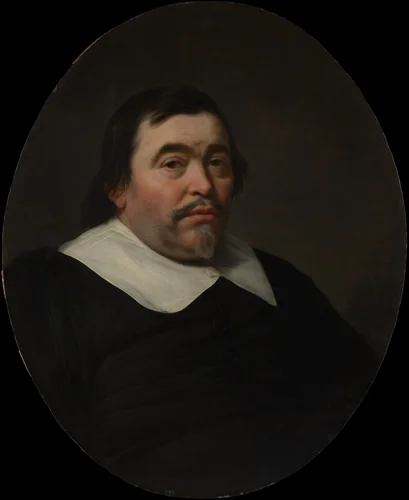
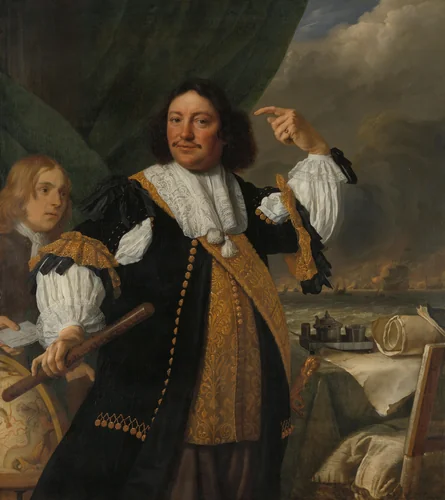
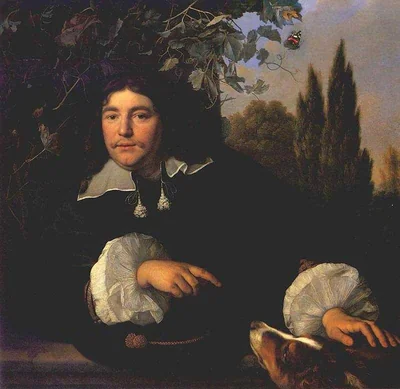
Van der Helst’s signature style emphasized technical precision, luminous clarity, and an impeccable rendering of status-defining accoutrements, from lace ruffs to rich satin fabrics. This commitment to flattering, detailed representation perfectly suited the aspirational anxieties of the wealthy merchant class. His ability to elevate the sitter’s appearance while maintaining a dignified likeness made him the ideal choice for important family and corporate commissions, such as the numerous portraits produced for the influential Bicker family, including Portrait of Andries Bicker and Portrait of Gerard Andriesz Bicker.
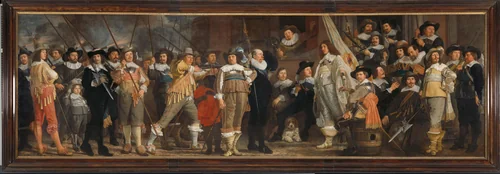
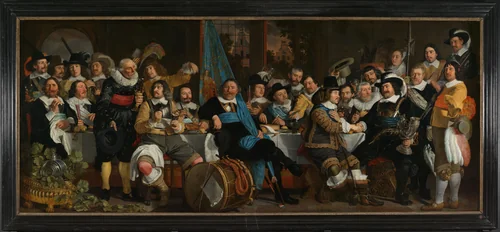
His mastery of complex group dynamics is best exemplified by the monumental Militia Company of District VIII in Amsterdam under the Command of Captain Roelof Bicker (1645). In contrast to earlier, more static militia pieces, van der Helst gave each participant a distinct personality and an active role within the composition, a prerequisite for these important public domain works.
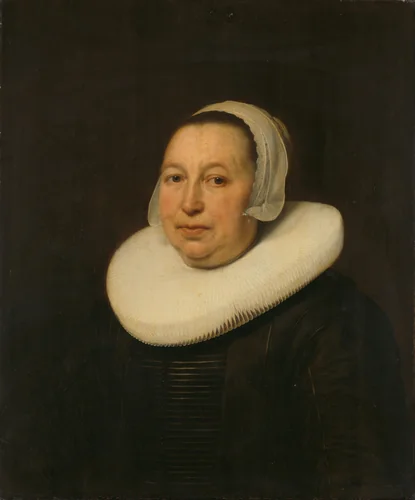
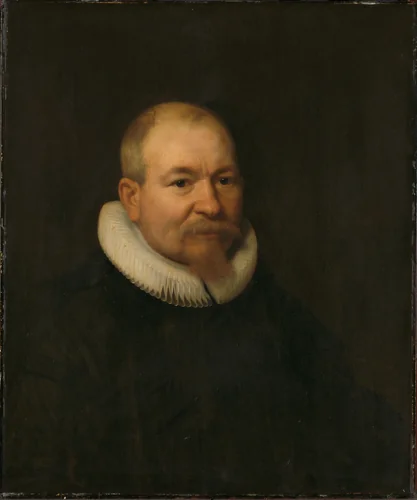
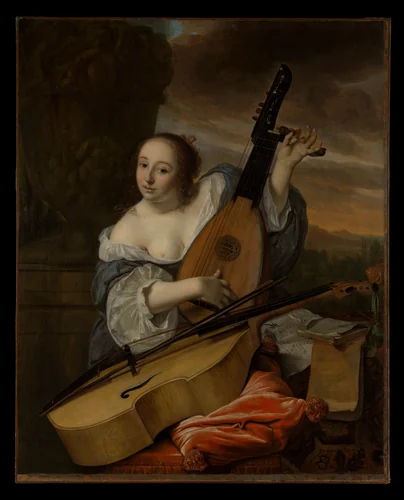
While his primary focus remained on these high-status commissions—such as the companion portraits Samuel van Lansbergen (d. 1669), Remonstrant Minister in Rotterdam and Maria Pietersdr de Leest (d. 1652), Wife of Samuel van Lansbergen—van der Helst occasionally deviated into genre scenes and historical subjects. It is perhaps an understated observation that his widespread success stemmed not merely from his technical skill, but from his uncanny ability to make powerful men appear both authoritative and approachable, a valuable combination in a politically charged Golden Age environment.
Van der Helst influenced the subsequent generation of portrait painters through his crisp technique and insistence on refined presentation. Although the total number of surviving Bartholomeus van der Helst paintings is relatively small, his profound historical impact is confirmed by their placement in leading international institutions, including the Rijksmuseum, the Mauritshuis, and the Metropolitan Museum of Art. His enduring legacy ensures that museum-quality reproductions and high-quality prints of his distinguished sitters remain widely accessible.
Source: Wikipedia · CC BY-SA 4.0