Bartholomeus Spranger
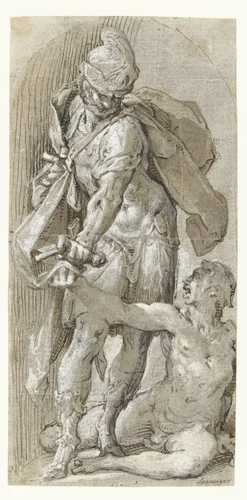
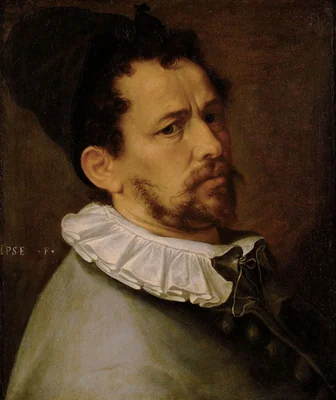
Bartholomeus Spranger (1546-1599) was a central figure in defining the visual culture of the late sixteenth-century Holy Roman Empire. A multidisciplinary Flemish artist, excelling as a painter, draughtsman, sculptor, and print designer, his significance rests primarily on his service as court artist to Emperor Rudolf II in Prague. This prestigious appointment placed Spranger at the core of one of Europe’s most sophisticated centers of artistic patronage, allowing him to shape the aesthetic demands of the era.
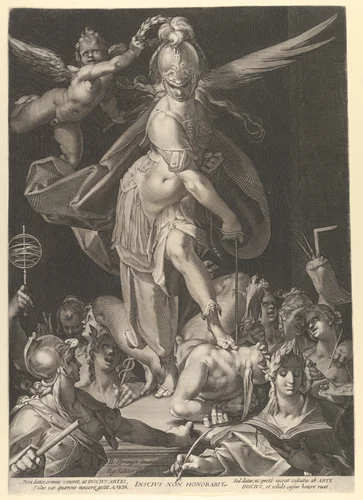
Responding directly to his highly discerning patron, Spranger developed a specific and enduring version of Northern Mannerism. This style was a masterful synthesis of the traditions of Netherlandish painting and the dramatic, intellectual influences of the Roman Mannerists. Spranger’s execution stressed heightened sensuality and technical refinement, exemplified by smoothly modeled, elongated figures arranged in complex, often affected, elegant poses.
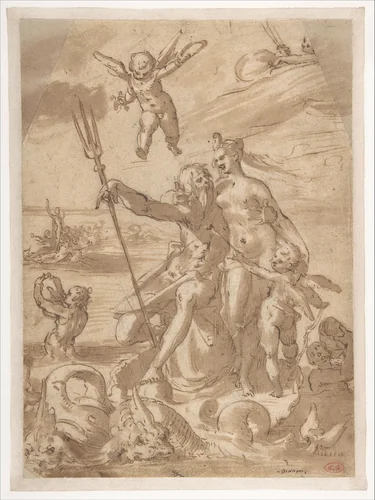
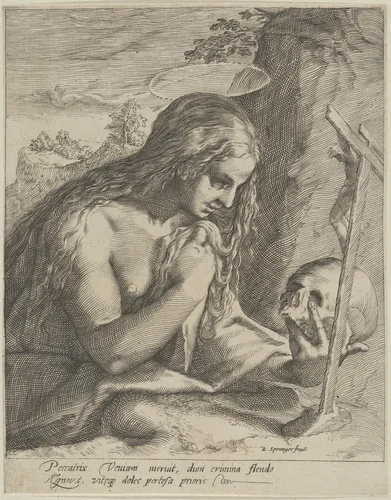
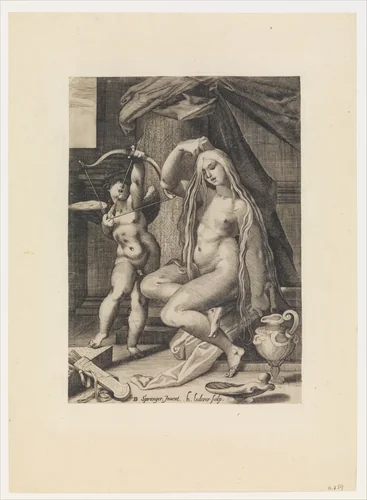
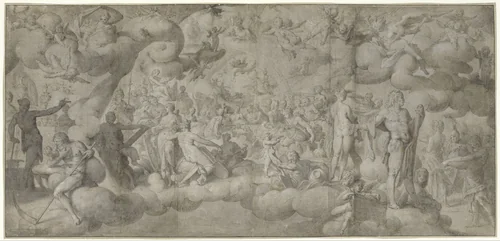
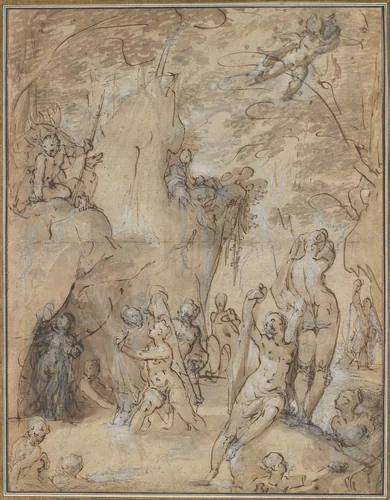
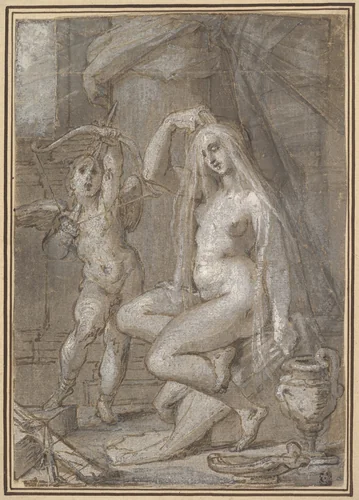
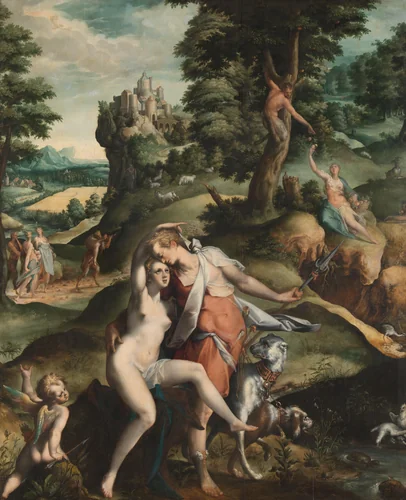
His subjects frequently drew from classical mythology or religious narratives, showcasing both dynamic movement, as seen in the work Neptune and Amphitrite, and introspective devotion, demonstrated by the Penitent Mary Magdalen. A characteristic feature of his art, repeated in compositions like Venus and Cupid and The Wedding of Cupid and Psyche, was the striking inclusion of a nude female figure viewed from behind, often providing a sculptural counterpoint to the central action. It is perhaps unsurprising that such a distinctive, often erotic, visual preference found such devoted imperial patronage.
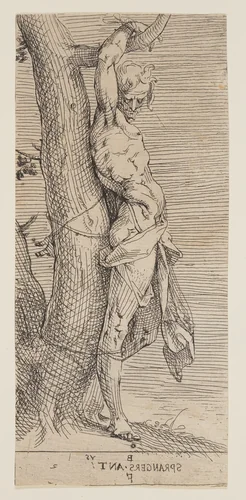
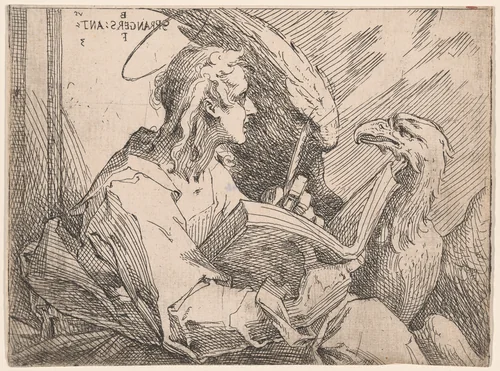
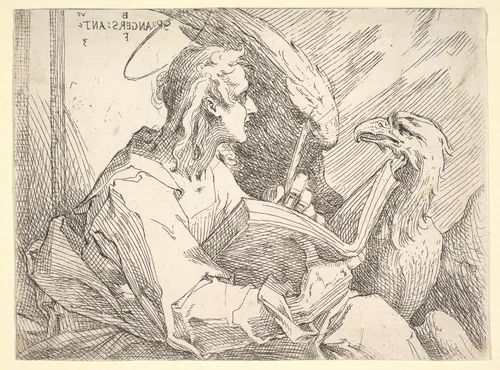
Spranger’s influence extended far beyond the immediate Prague court. His compositions were actively disseminated through high-quality prints designed both by him and by collaborators. This ensured that his aesthetic became fundamental to the development of art across Central Europe and the Dutch Republic, carried northward by artists who trained alongside him, notably Karel van Mander. Today, the enduring legacy of his Mannerist vision means that original and reproduced Bartholomeus Spranger prints remain key documents of the period. Many foundational works are now in the public domain, making downloadable artwork widely accessible through major institutions like the Rijksmuseum and the Metropolitan Museum of Art.
Source: Wikipedia · CC BY-SA 4.0