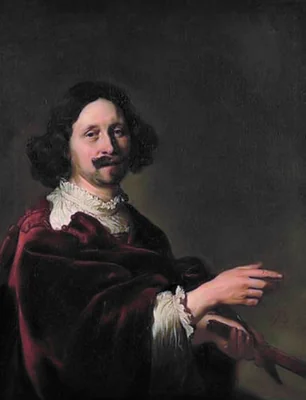
Bartholomeus Breenbergh
Bartholomeus Breenbergh (1598-1657) stands as a pivotal figure among the Dutch Golden Age painters who successfully transplanted the dramatic illumination and classical grandeur of the Roman campagna back to northern Europe. Active initially in Rome from 1619 to 1630, he became a core member of the foreign artist community there, developing a foundational style of Italianate landscape distinct from the prevailing Dutch naturalism of the era.
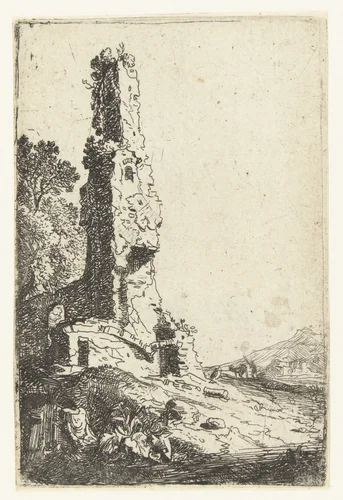
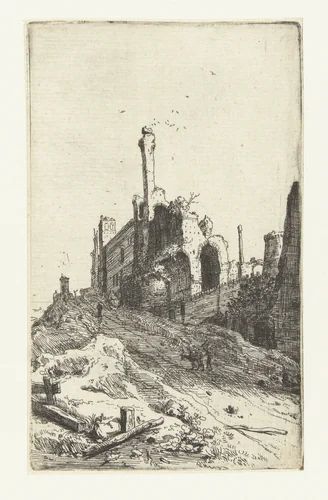
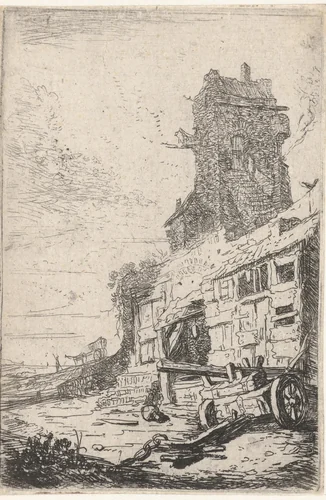
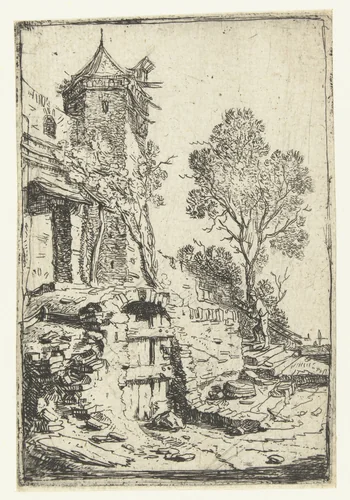
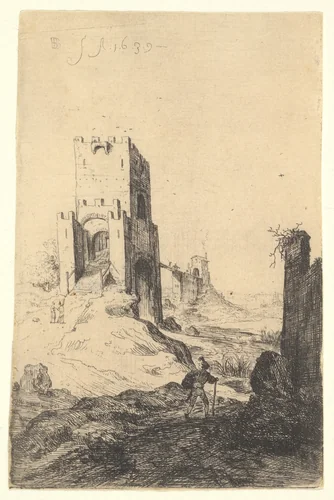
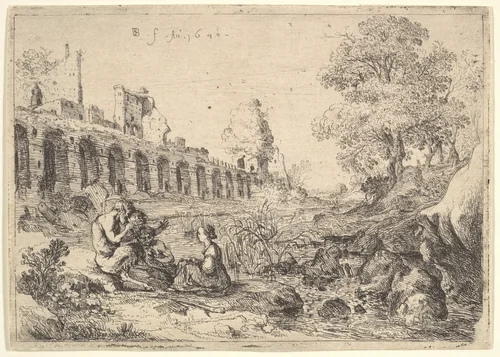
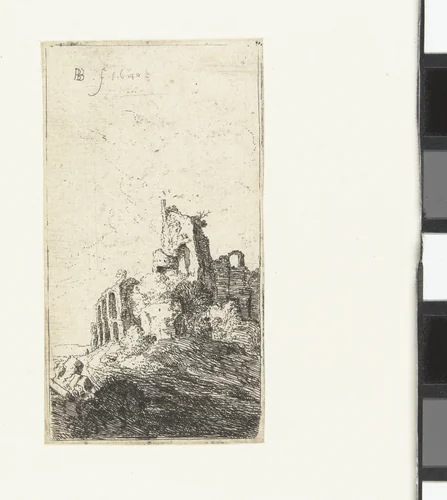
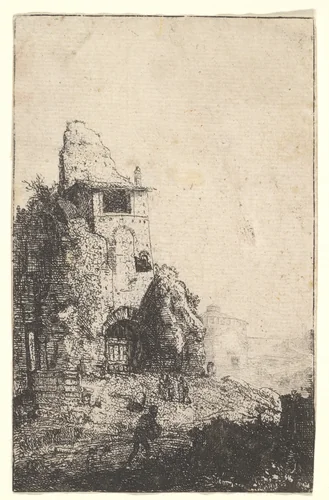
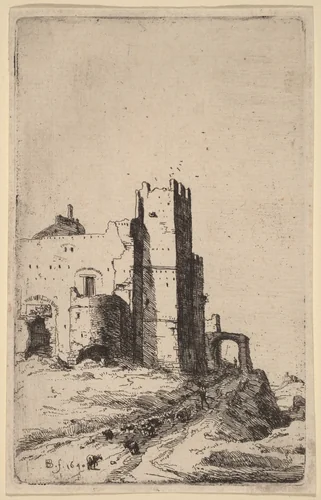
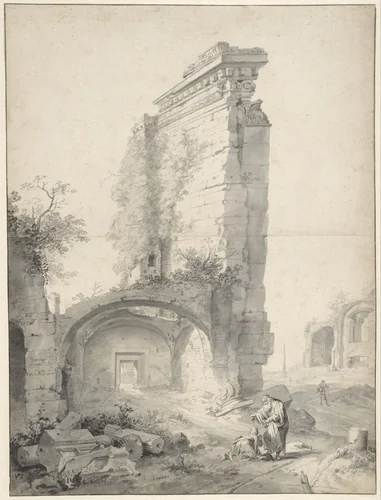
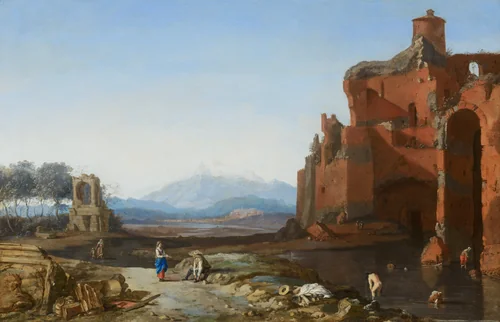
Breenbergh’s crucial decade in Italy was dedicated to documenting the enduring architectural ghosts of antiquity. Works such as The Ruins of the Colosseum and the intimate Tomb of Plautius exemplify his fascination with classical monuments, frequently depicted as overgrown and viewed through a lens of melancholy decay. Unlike artists who merely sketched topography, Breenbergh infused his settings with expressive genre elements, populating his views with small, lively figures. For instance, Grotto with Friars balances natural rock formations with the human presence seeking refuge or contemplation, offering a subtle observation on the interaction between ancient history and contemporary religious life. Even a more straightforward scene like The Inn near Prima Porta becomes a sophisticated study in localized atmosphere and light.
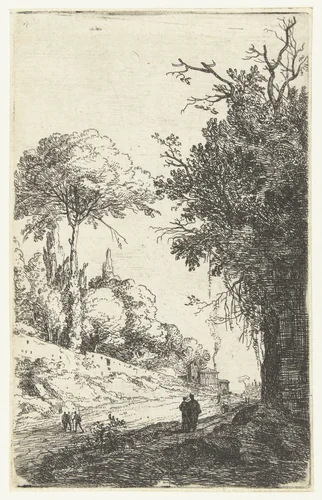
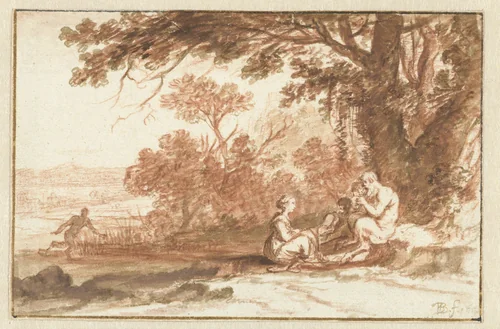
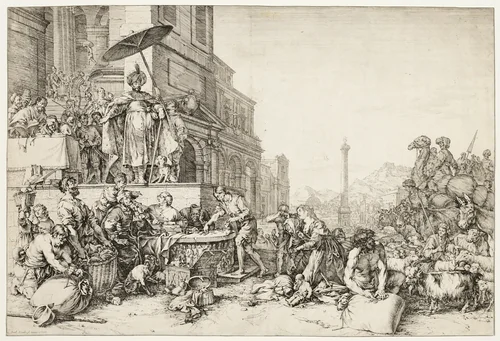
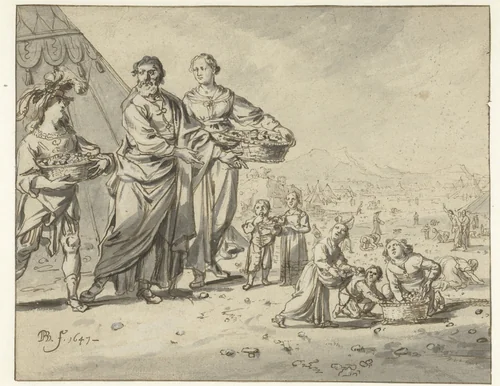
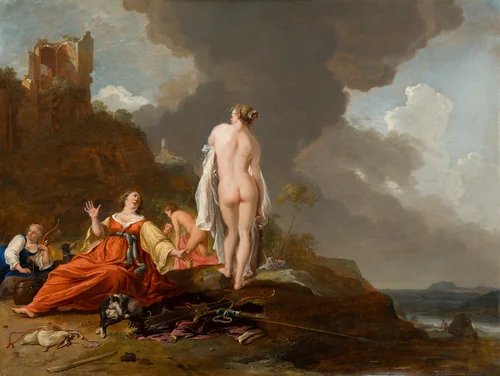
Returning to Amsterdam around 1630, Breenbergh continued to work almost exclusively from the visual memory and extensive sketches he had accrued in Italy, solidifying his reputation as a leading exponent of the Dutch Italianate tradition. While known primarily for his cabinet Bartholomeus Breenbergh paintings, he also produced an extensive oeuvre of drawings and atmospheric Bartholomeus Breenbergh prints, highly valued for their delicate draftsmanship.
These museum-quality works are housed in major collections worldwide, including the National Gallery of Art and the Metropolitan Museum of Art. His preparatory studies and finished compositions are often found in the public domain, ensuring that the availability of high-quality prints allows scholars and enthusiasts alike to access his masterful rendering of light and history. Breenbergh's enduring influence ensured that the idealized grandeur of the Roman landscape remained a vital and compelling subject in Dutch art long after his death.
Source: Wikipedia · CC BY-SA 4.0