Bartholomäus Kilian
Bartholomäus Kilian (1630–1696) was a pivotal German master of copperplate engraving, whose disciplined career cemented his position within the celebrated Kilian family, a dynasty that dominated Augsburg’s printmaking industry throughout the seventeenth century. He operated during the stabilization period following the protracted trauma of the Thirty Years' War, inheriting a profound technical skill essential for the mass reproduction of imagery.
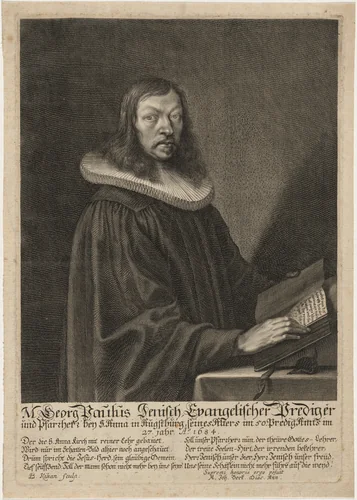
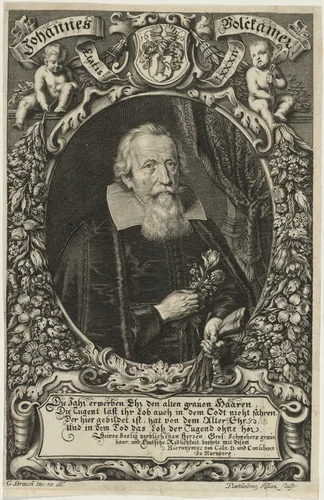
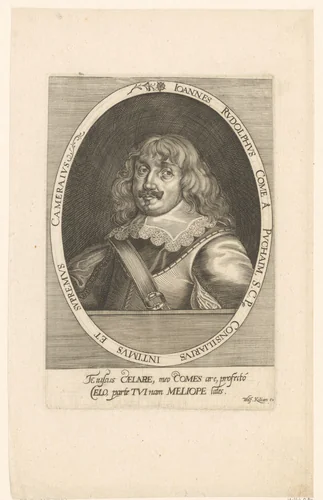
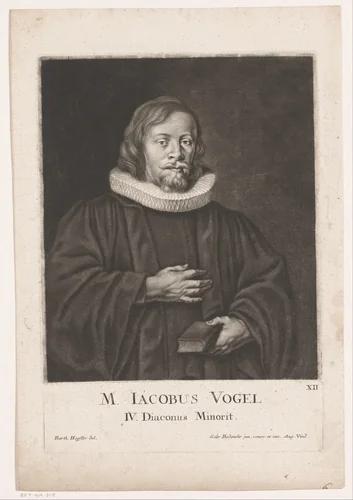
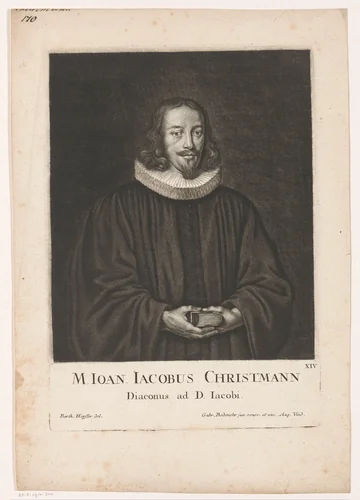
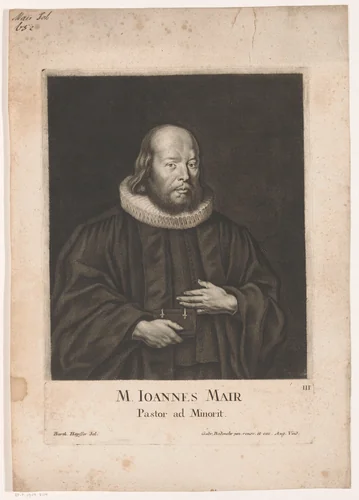
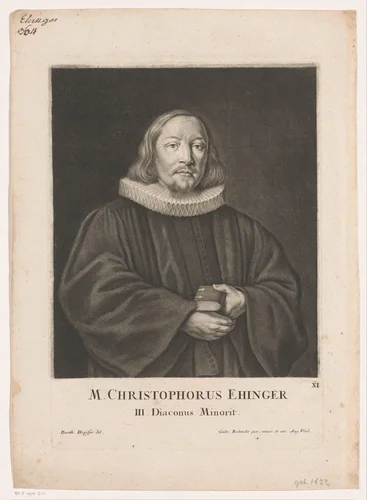
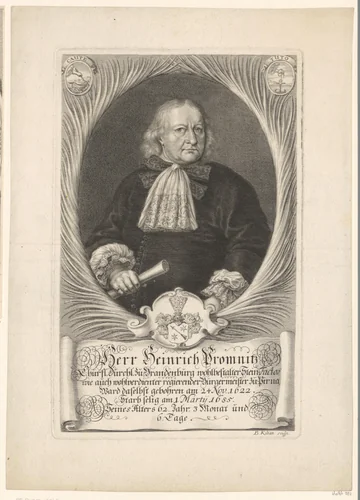
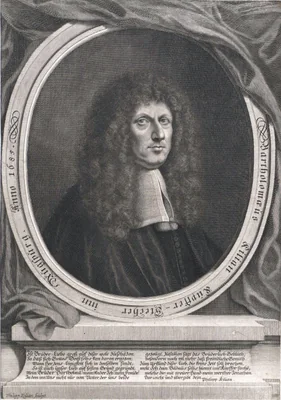
Kilian specialized in producing technically flawless portraiture that satisfied the widespread aristocratic demand for high-status, widely reproducible images. His work is characterized by remarkable precision, utilizing the nuanced language of the engraved line to achieve sophisticated textures and atmospheric depth. This mastery is clearly visible across his oeuvre, ranging from the dignified scholarly portrayal of Johann Volckamer to the ceremonial gravity captured in the Portret van Jacob Vogel. Kilian rarely deviated from these established norms of formal portraiture, a pragmatic choice given the high demand for visual status symbols among the aristocracy and merchant classes of the time.
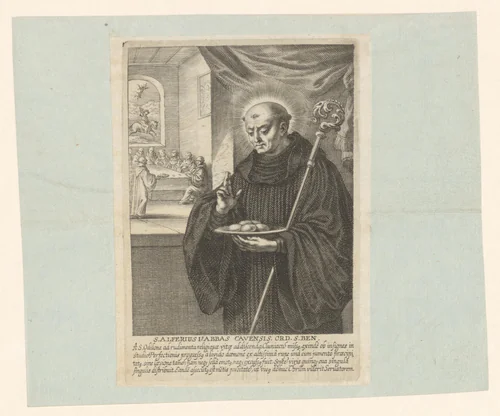
Although historically the prominence of Baroque painting often overshadowed contemporaneous printmaking, Kilian's output stands as a definitive example of graphic arts crucial to the dissemination of cultural and intellectual identity across Northern Europe. Beyond secular commissions, his technical skill was equally applied to religious subjects, such as H. Alferius zegent een schaal met brood, demonstrating a versatility necessary for sustained professional practice.
Today, the artistic legacy of Bartholomäus Kilian prints is preserved in leading international institutions, notably the Rijksmuseum in Amsterdam and the National Gallery of Art in Washington D.C. The robust nature of his output, combined with their historical significance, secures their status as museum-quality documents. Many of these historically significant works are now in the public domain, allowing researchers and enthusiasts easy access to high-quality prints and downloadable artwork, confirming the enduring relevance of this accomplished member of Germany’s most significant family of engravers.
Source: Wikipedia · CC BY-SA 4.0