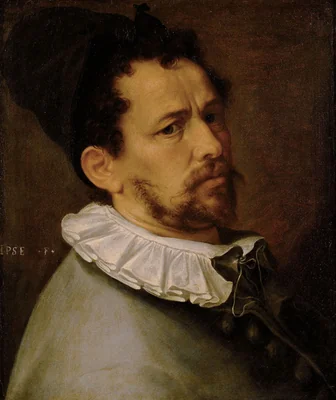
Bartholomaeus Spranger
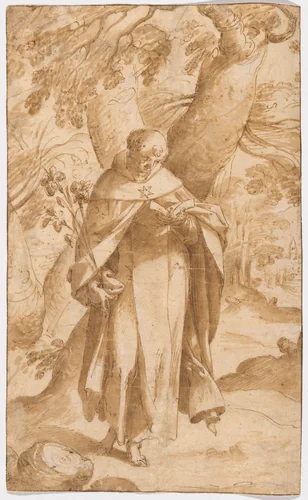
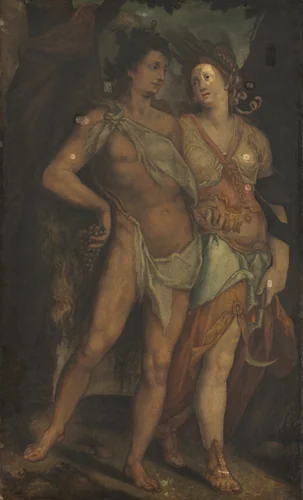
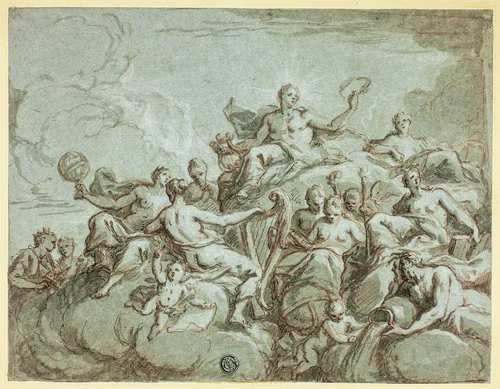
Bartholomaeus Spranger (Flemish, active 1546-1695) was a versatile talent, highly esteemed as a painter, draughtsman, sculptor, and designer of prints. His prolific career achieved its zenith in Prague, where he served as court artist to the eccentric Holy Roman Emperor Rudolf II. This crucial position allowed him to become the chief exponent of the artistic style known as Northern Mannerism, setting the standard for sophisticated courtly aesthetics for decades.
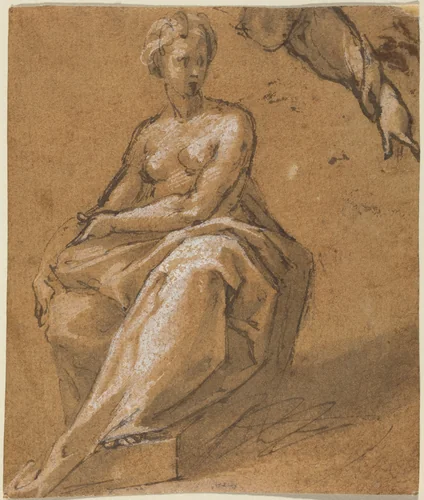
Spranger’s unique synthesis of influences proved intensely influential. He expertly blended the traditions of Netherlandish painting with potent elements drawn from Italian sources, particularly the highly sophisticated, emotionally charged style of the Roman Mannerists. Responding directly to Rudolf II’s unique aesthetic preferences, which favored the erotic, the learned, and the elegantly bizarre, Spranger developed a signature style characterized by highly sensual, smoothly modeled, and remarkably elongated figures. These figures are typically arranged in dramatically elegant poses, often incorporating the sophisticated trope of a nude woman seen from behind, a motif he deployed with particular skill in preparatory drawings like Seated Nude with Drapery.
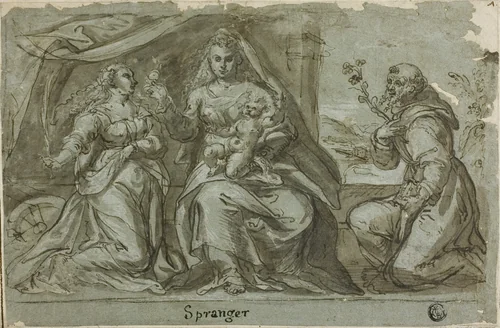
The importance of Spranger extended far beyond the immediate confines of the Prague court. His highly original synthesis of form and subject matter proved central to the subsequent development of painting across Central Europe and the Dutch Republic, influencing artists who worked directly with him, such as Karel van Mander. While his known catalogue includes significant Bartholomaeus Spranger paintings, such as Madonna and Child with Saints Catherine and Dominic, his lasting contribution is arguably most clearly demonstrated through the vast circulation of his compositions. Much of this influence was achieved through the wide dissemination of his compositions via high-quality prints, meticulously crafted by leading engravers, ensuring that his innovative forms reached a global audience and solidified his reputation as a defining force of late Mannerism.
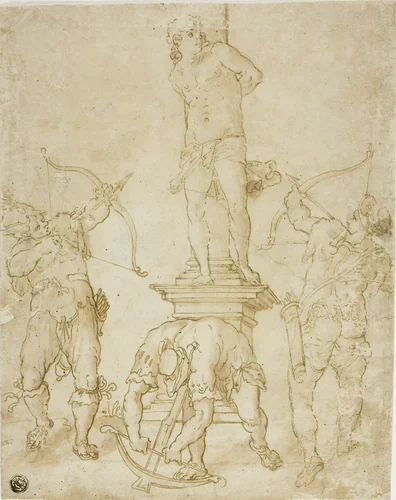
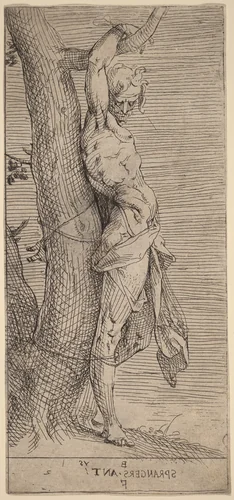
Today, Spranger’s work continues to be studied for its technical brilliance and its definitive embodiment of late sixteenth-century courtly taste. Examples of his draftsmanship, including studies for the Martyrdom of Saint Sebastian, reside in major institutions such as the Art Institute of Chicago and the National Gallery of Art. Fortunately, much of the artist's graphic work now falls within the public domain, allowing researchers and enthusiasts ready access to high-quality prints and reproductions for detailed study.
Source: Wikipedia · CC BY-SA 4.0