Barthel Beham
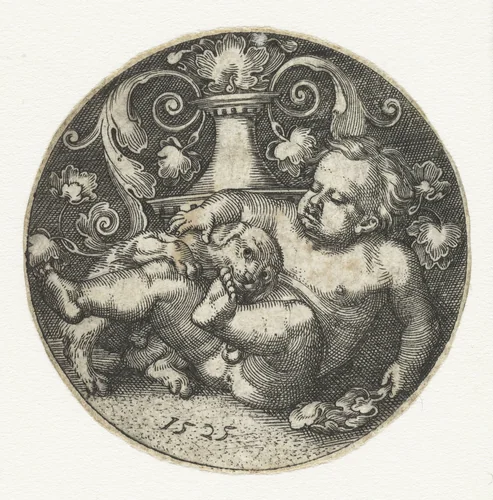
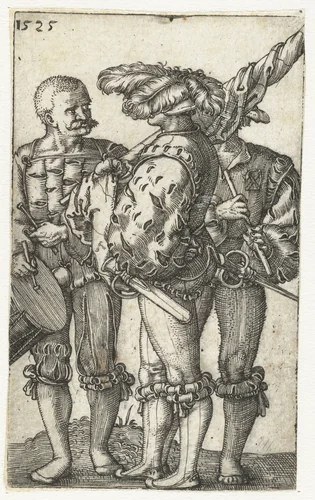
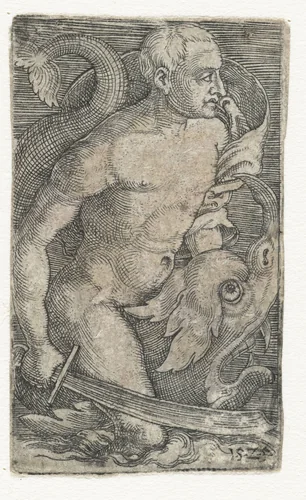
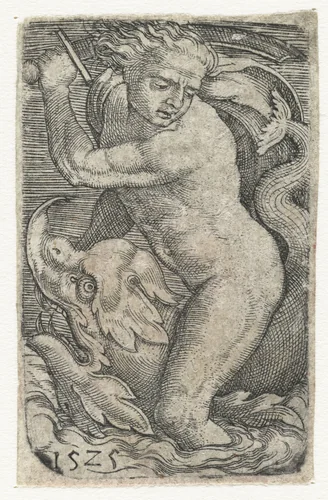
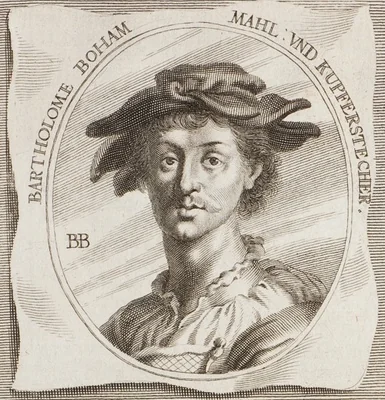
Barthel Beham (1502–1540) stands as an essential, if short-lived, contributor to the German Renaissance, excelling across the media of engraving, miniaturization, and painting. Based primarily in Nuremberg and Munich, Beham’s career flourished during a period of intense intellectual and theological upheaval, an environment that profoundly influenced the subject matter and technical precision of his graphic works.
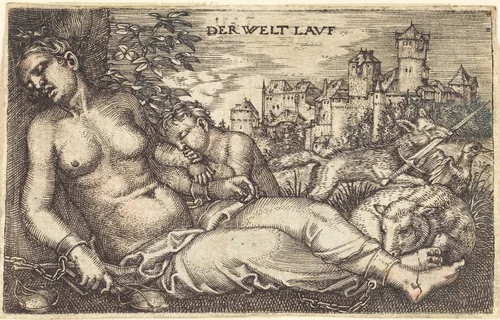
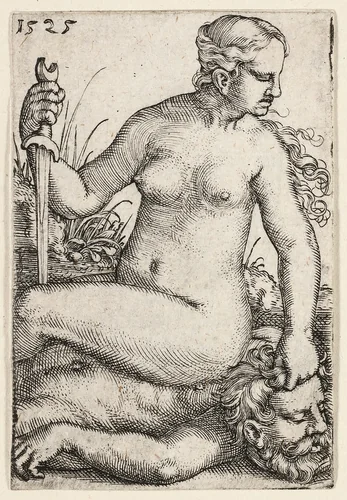
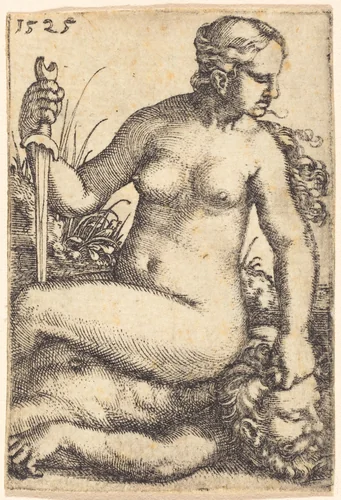
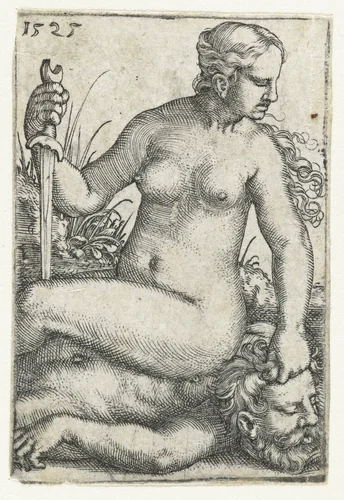
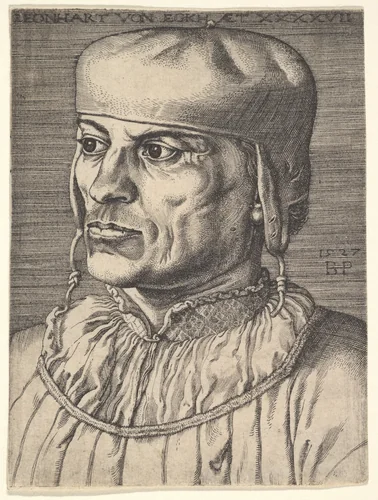
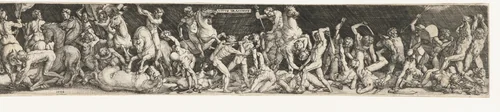
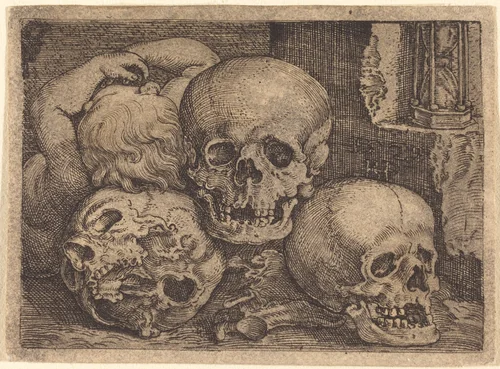
Beham is chiefly recognized for his involvement with the group known as the "Little Masters," a designation applied to artists who specialized in remarkably detailed, small-scale copperplate engravings. His technical facility allowed him to render complex mythological and allegorical narratives with exceptional clarity, such as the classical scene depicted in Judgment of Paris. Despite the compact format, Beham’s works demonstrate a remarkable control over line and tone, distinguishing him as one of the most accomplished graphic artists of his generation. His surviving oeuvre, totaling approximately fifteen known prints, illustrates a versatility that spans the sacred and the sensational.
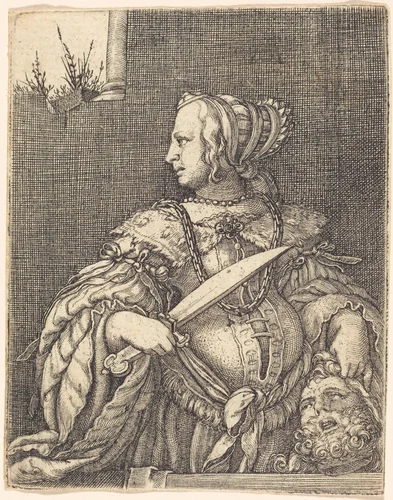
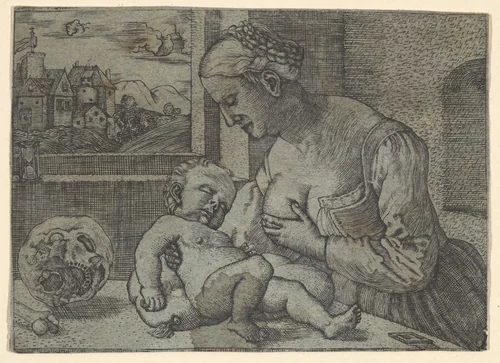
He proved equally adept at translating dramatic moral and historical narratives into visual form. His striking portrayal of Judith, half-length and in profile to the left, a sword in her right hand and the head of Holofernes in her left hand, an open window at top left, captures the intense, almost confrontational energy inherent in 16th-century visual storytelling. Yet, his gaze could shift effortlessly to the domestic and contemplative, as seen in the quiet intimacy of The Virgin at the Window, or the tragic dignity of Dood van Lucretia.
A subtle observation of Beham’s output reveals the dual necessity faced by Renaissance masters: the need to create powerful, public-facing art while also undertaking commissioned work of utility. Beham was highly competent in the practical application of design, producing detailed private commissions such as the elegant Ex libris van Hieronymus Baumgärtner. This ability to move seamlessly between mythological drama and personalized iconography underscores the comprehensive nature of early modern artistic training.
Today, Beham’s significant contributions to the graphic arts are preserved in major institutions worldwide, including the Rijksmuseum and the Metropolitan Museum of Art. Because many of these historic works now reside in the public domain, high-quality prints of Barthel Beham prints are readily accessible for contemporary study and appreciation.
Source: Wikipedia · CC BY-SA 4.0