Barent Fabritius
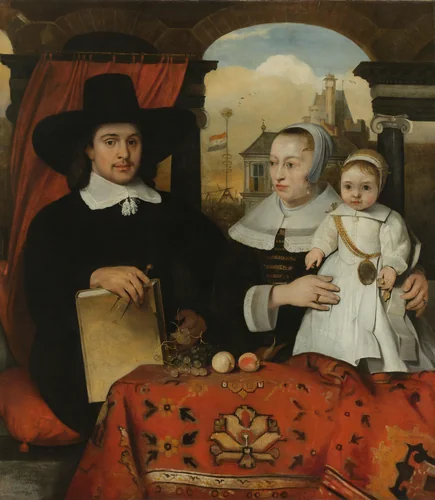
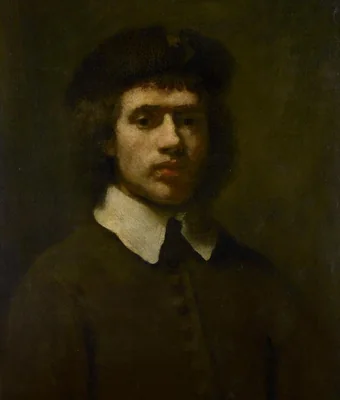
Barent Fabritius (c. 1624–1673), or Bernard Pietersz Fabritius, was a significant, if often under-examined, figure among the second generation of Dutch Golden Age painters. Active primarily between 1645 and 1661, he earned recognition for his expansive repertoire, which spanned religious history painting, portraiture, and genre scenes, establishing him as a versatile visual chronicler of the era. His work is now represented in major institutions worldwide, including the Rijksmuseum, the Art Institute of Chicago, and the Metropolitan Museum of Art.
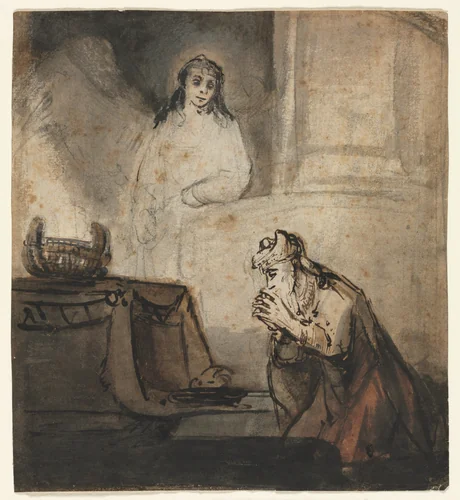
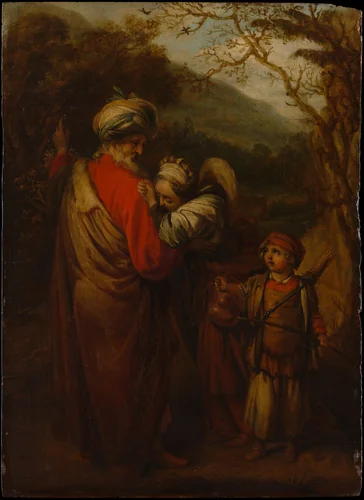
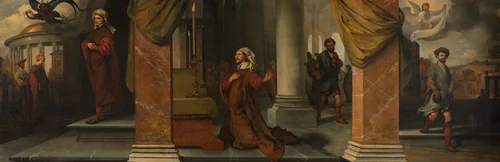
Fabritius was intrinsically linked to the influence of Rembrandt van Rijn, an association likely channeled through his famous elder brother, Carel Fabritius, who studied directly with the master. Barent’s early works display a clear indebtedness to Rembrandt’s style, favoring a dramatic use of light and shadow, or chiaroscuro, coupled with a robust application of paint. This dramatic approach is particularly evident in biblical narratives such as Angel Appearing to Zacharias and Abraham Dismissing Hagar and Ishmael, where he utilized rich, earthy tones to heighten the emotional intensity of the narrative moment.
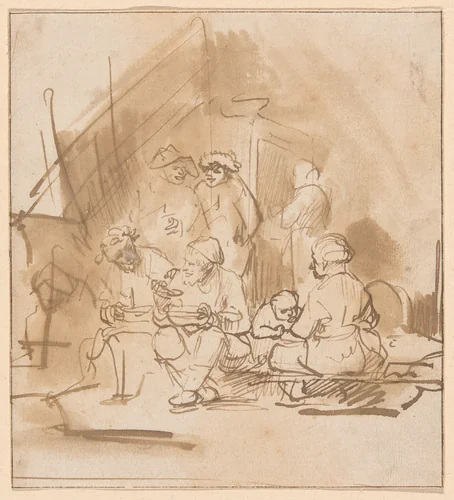
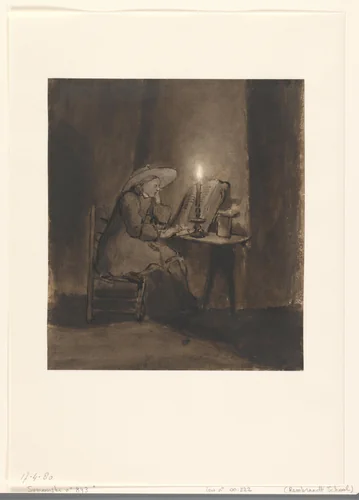
His technical command extended beyond weighty religious themes into the realm of domesticity and mythology. His genre compositions, such as Lezende jongen bij kaarslicht (Boy Reading by Candlelight), demonstrate a mastery of light emanating from a single source, creating an intimate, focused atmosphere. Contrastingly, works like Satyr Among the Peasants illustrate his ability to inject classical figures into contemporary settings, showing an appealing flexibility in subject matter.
While his handling of anatomical form could occasionally appear uneven compared to the meticulous finish of his contemporaries, this slight divergence often lends a peculiar, endearing honesty to the character of his figures. The stylistic inconsistency that marks his career is arguably a byproduct of his artistic exploration, rather than a failing of skill. The continued scholarly interest in Barent Fabritius paintings confirms his importance as a key exponent of the Rembrandtesque school. Today, much of this artistic output is safely in the public domain, ensuring that downloadable artwork and high-quality prints of his characteristic compositions remain widely available for art historians and enthusiasts alike.
Source: Wikipedia · CC BY-SA 4.0