Balthasar Moncornet
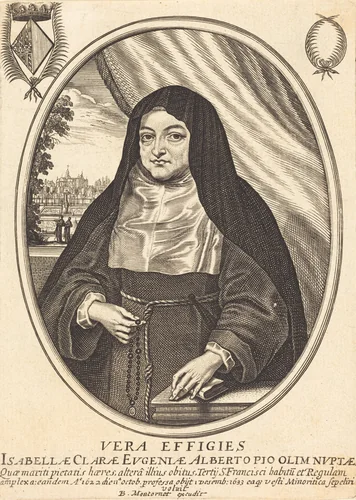
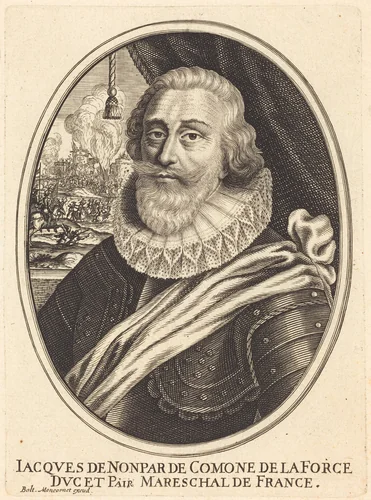
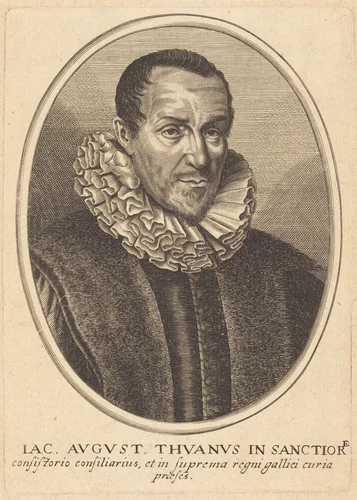
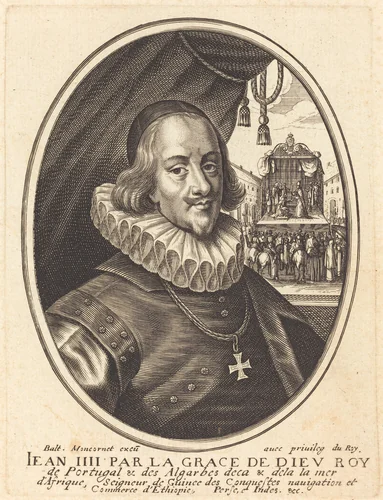
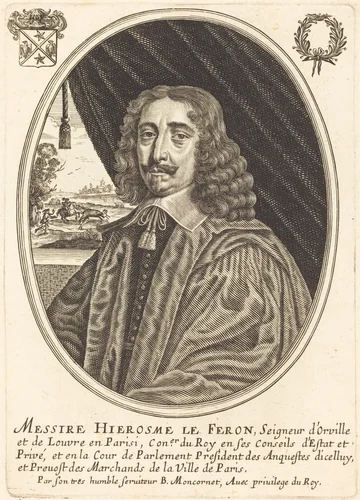
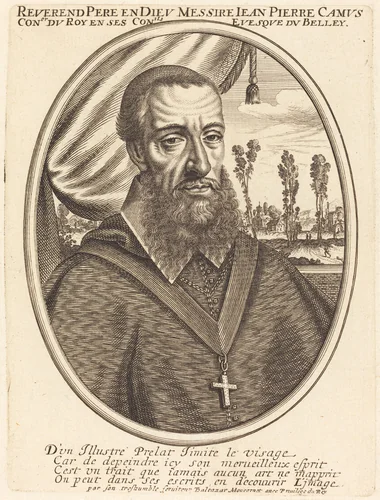
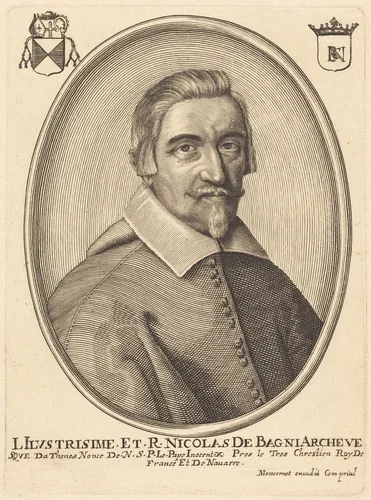
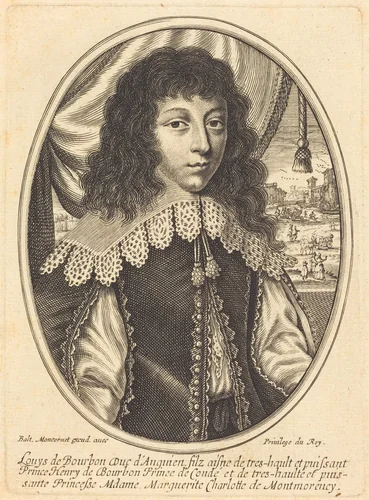
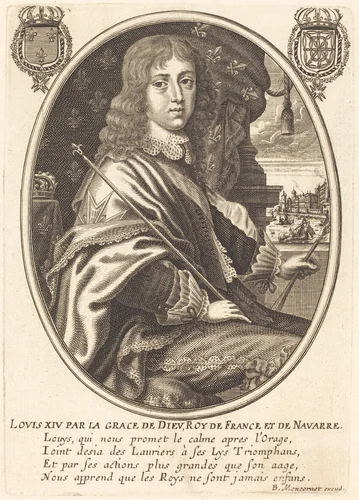
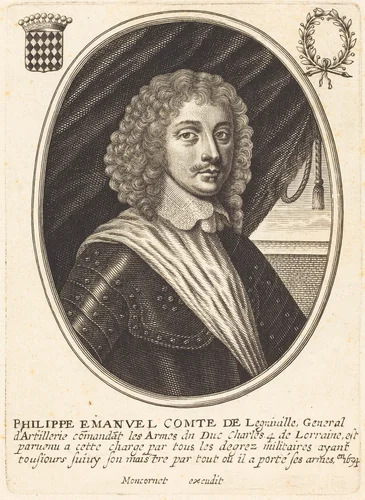
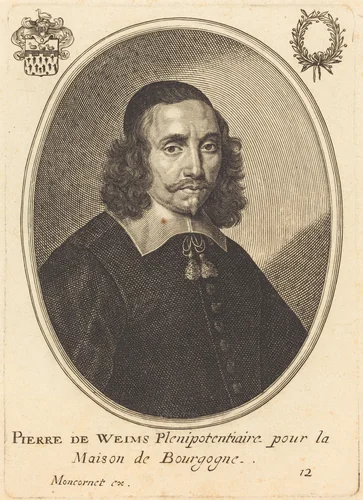
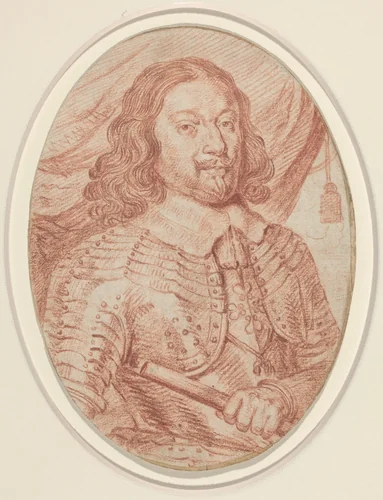
Balthasar Moncornet (active circa 1600) established himself as a central figure in early 17th-century French visual culture, operating simultaneously as a painter, a prolific engraver, and a tapissier. This multifaceted career allowed him to translate influential likenesses across media, from the singular grandeur of oil portraits to the reproducible efficiency of copperplate prints, playing a direct and critical role in disseminating the imagery of French power.
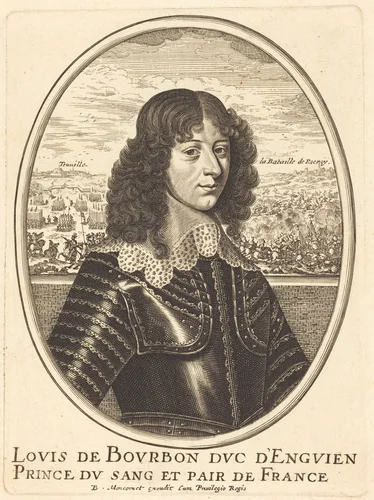
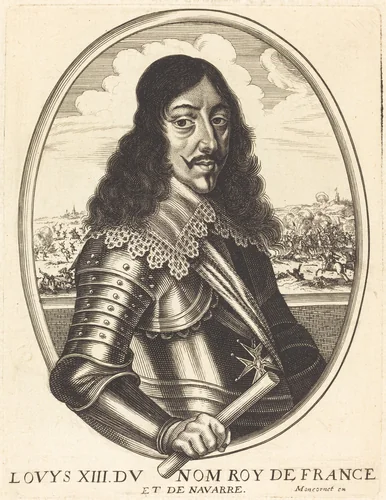
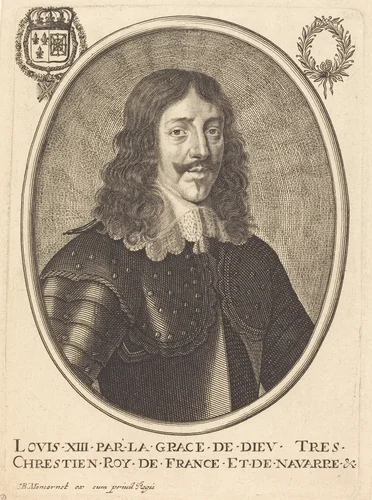
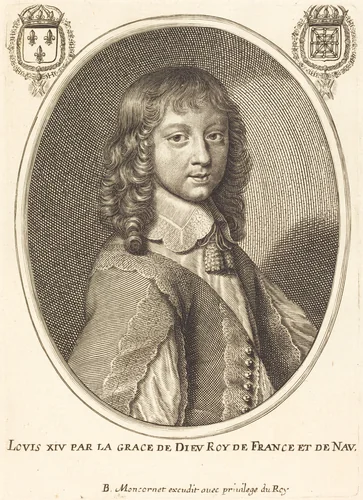
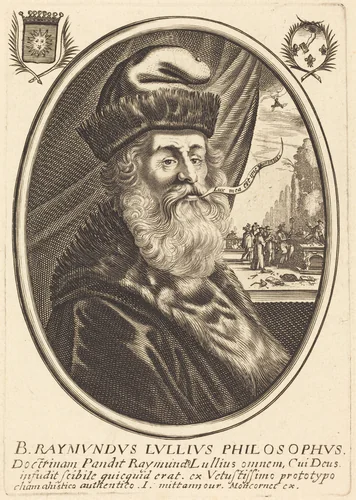
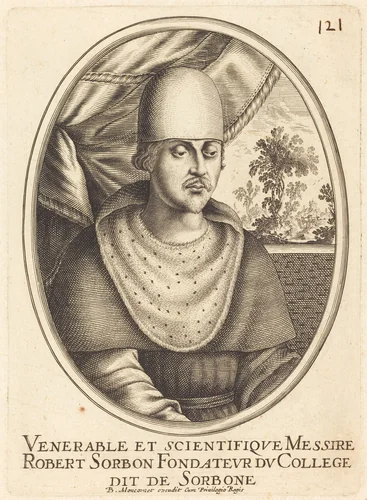
His primary artistic focus involved the meticulous depiction of approximately 45 different prominent figures of the time, providing a highly authoritative visual record of the era’s political and social hierarchy. These works served a vital function in transitioning powerful likenesses from exclusive, private commissions into accessible formats. The figures he captured span military, religious, and royal spheres, including the statesman Amador de la Porte and the Habsburg military commander Charles Albert Bonaventure de Longueval, Comte de Bucquoi. A subtle measure of Moncornet’s dedication to key figures can be seen in his repeated studies of Queen Anne of Austria, captured in numerous states; one suspects he was acutely aware of which royal images guaranteed brisk circulation.
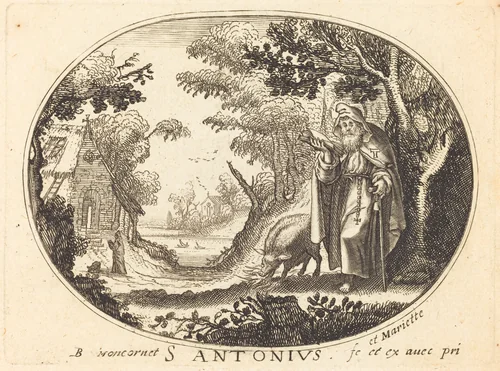
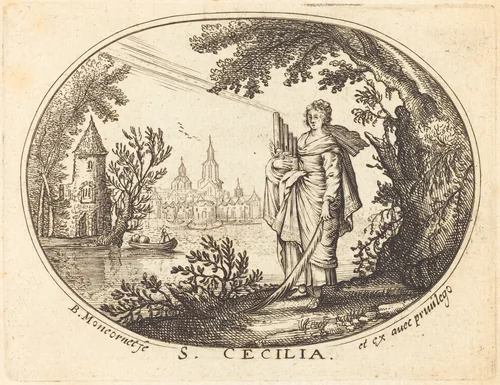
The enduring legacy of Moncornet rests significantly on his engraved works, which served a vital function in shaping public perception of the nascent French aristocracy. While only fifteen individual Balthasar Moncornet prints are currently inventoried from his documented output, their technical proficiency confirms his command of the difficult medium. The historical value of these images is reflected in their inclusion in major international institutions, such as the comprehensive print collections of the National Gallery of Art, affirming their museum-quality status. Today, due to the migration of historical materials into the public domain, researchers and enthusiasts worldwide can access and study these essential 17th-century works, often available as high-quality prints, ensuring Moncornet’s contribution to historical portraiture remains readily available for scholarly analysis.
Source: Wikipedia · CC BY-SA 4.0