Baccio del Bianco
Luigi Baccio del Bianco was a commanding figure across the multidisciplinary art forms of the early 17th century, simultaneously active as an architect, engineer, painter, and one of the period’s most inventive scenic designers. His career was characterized by a sophisticated mobility between the cultural centers of Italy and Spain, a geographic flux reflected in the various ways he is identified in historical record. Known in Italy by the diminutive Baccio, he operated abroad under the Spanish equivalent Bartolomeo del Blanco; this easy translation of his name, where Bianco seamlessly becomes Blanco, underscores his effective adaptation to diverse cultural environments.
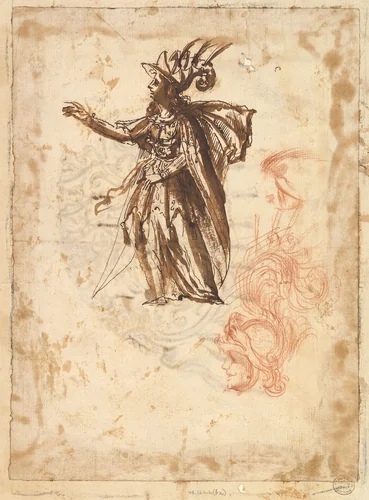
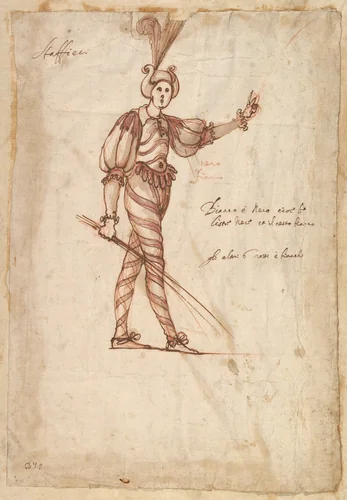
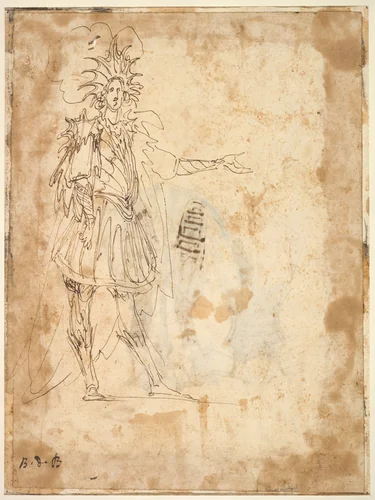
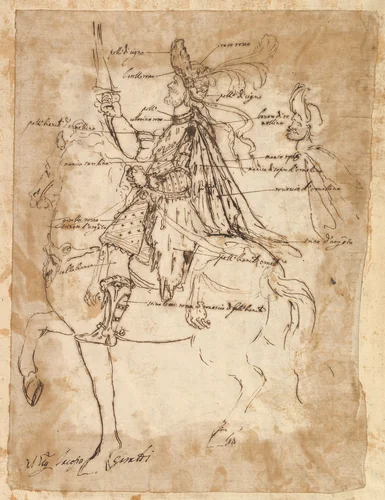
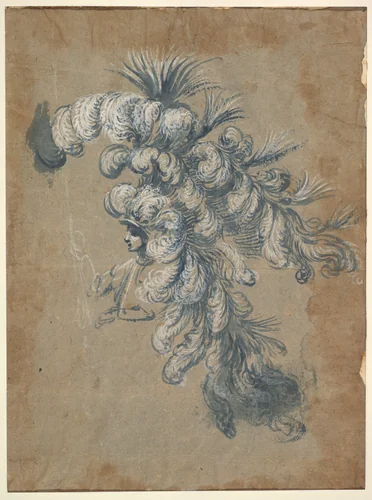
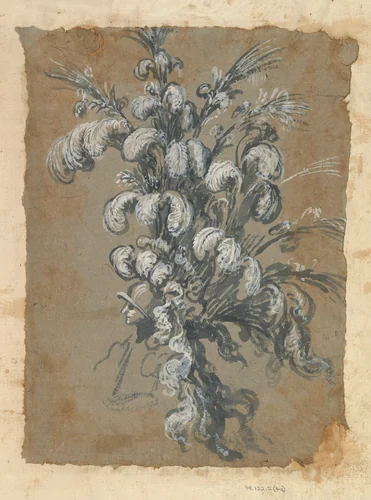
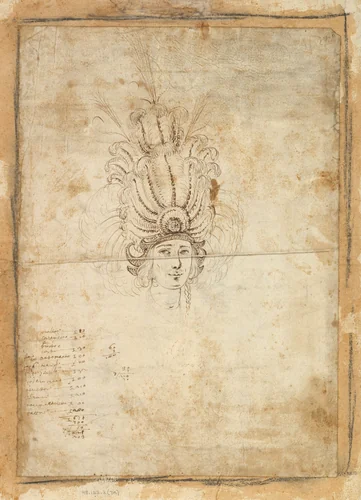
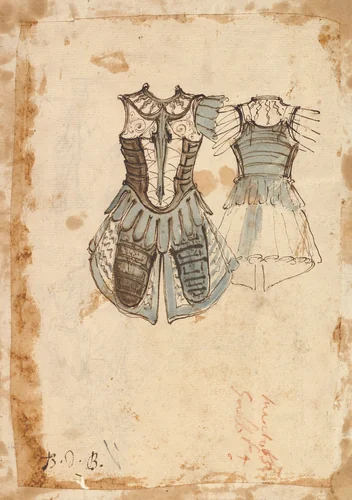
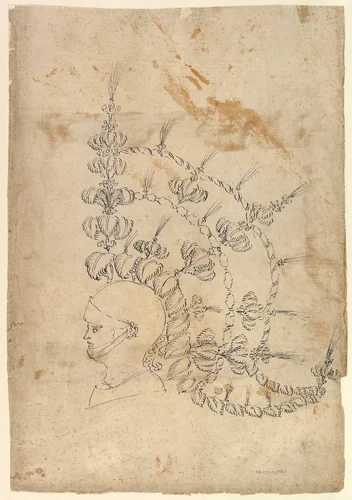
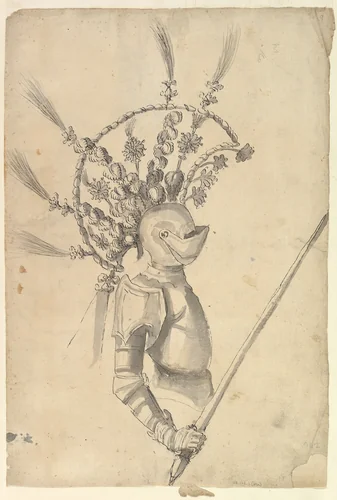
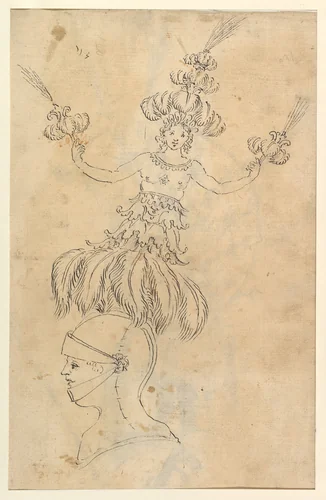
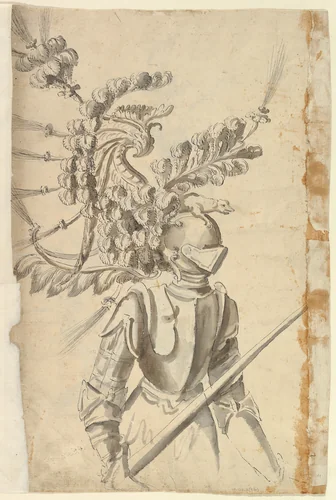
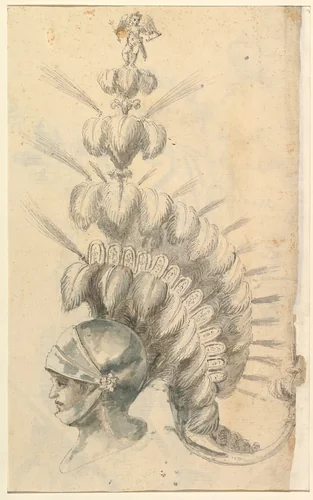
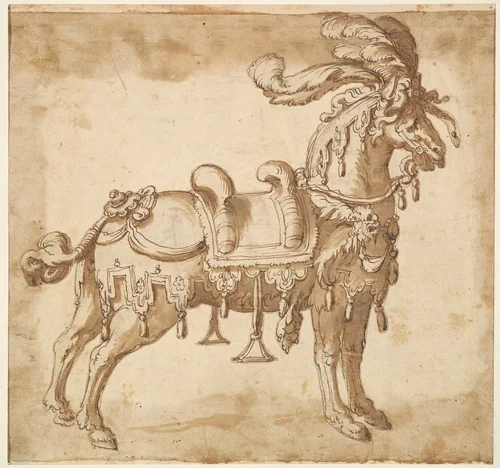
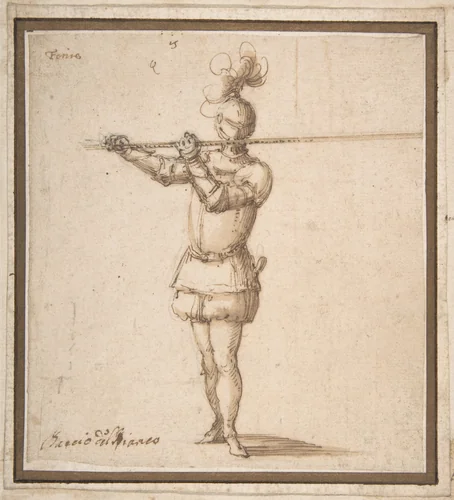
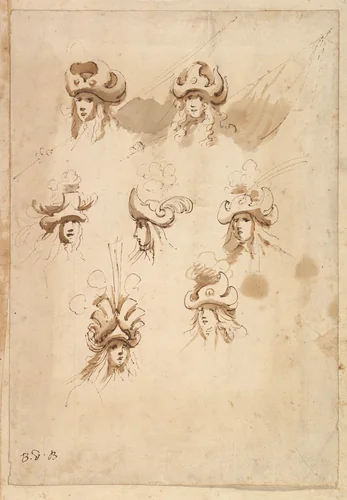
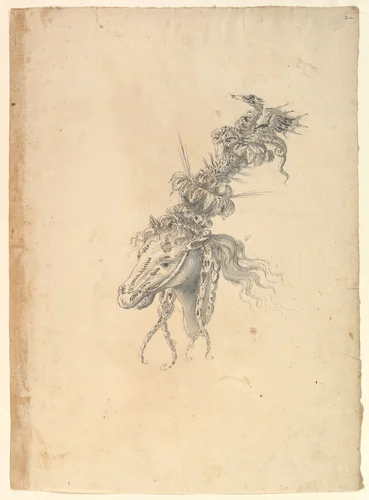
Del Bianco’s technical expertise as an engineer often informed his artistic output, positioning him perfectly to contribute to the increasingly complex staging requirements of Baroque theatre and courtly spectacles. This legacy is preserved primarily through an important corpus of preparatory drawings, many of which reside in collections such as the Metropolitan Museum of Art. These sheets are less casual sketches than detailed technical blueprints for performance. His surviving work reveals a precise fascination with theatrical attire and presentation, evident in designs ranging from the functional, such as Costume Design for Pages or Squirs Tending to the Horses, to the fantastical, like Costume Design with a Large Headdress and Long Cape.
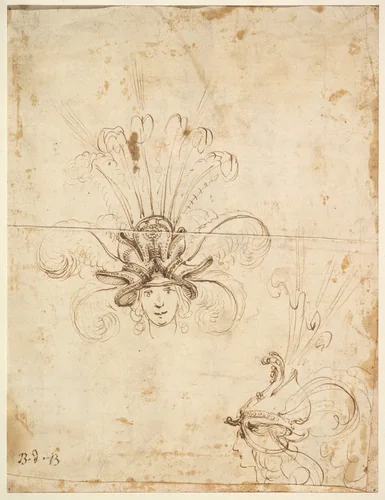
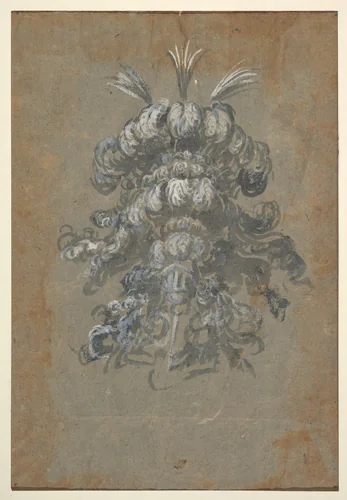
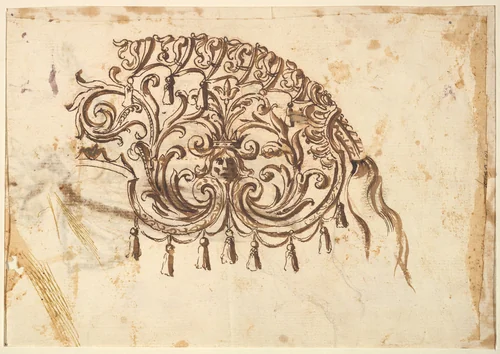
The meticulous execution seen in works like Design for a Headdress (front and side view) demonstrates that Del Bianco treated costume and set design with the same rigor usually afforded to major architectural commissions. It is perhaps a pleasing historical irony that his reputation, encompassing such grand roles as architect and engineer, is now sustained by the painstaking detail evident in these intimate, preparatory design documents for ephemeral stagecraft.
Today, the work of Baccio del Bianco offers invaluable primary source material for understanding the visual language of the Baroque stage. Because many of these historic works are now in the public domain, they are accessible as high-quality prints and materials. The endurance of these detailed drawings, available now as downloadable artwork, allows enthusiasts and scholars alike to appreciate the subtle genius inherent in his museum-quality designs, guaranteeing that the vision of this transnational master continues to inspire.
Source: Wikipedia · CC BY-SA 4.0