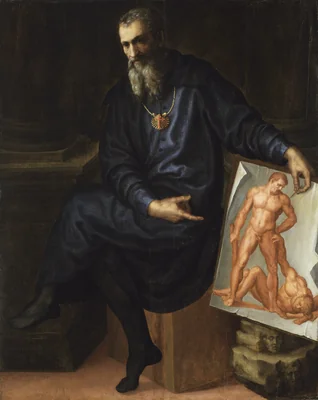
Baccio Bandinelli
Baccio Bandinelli (c. 1480–1547) was a central figure in the Italian High Renaissance and early Mannerism. Active for over half a century, he distinguished himself as a formidable sculptor, draughtsman, and occasional painter, operating primarily in Florence and Rome. His significance rests not only on his monumental sculptural commissions, which often dominated contemporary critical discussions, but equally on the robust volume of preparatory and independent drawings that survive. Bandinelli belonged to a generation of artists grappling directly with the immense stylistic shadow of Leonardo da Vinci and the rising technical challenge posed by Michelangelo, leading to a career defined by ambitious public projects and intense professional rivalry.
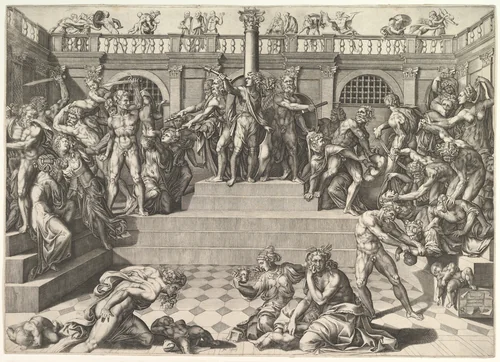
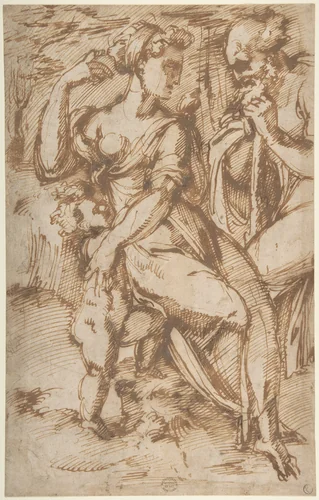
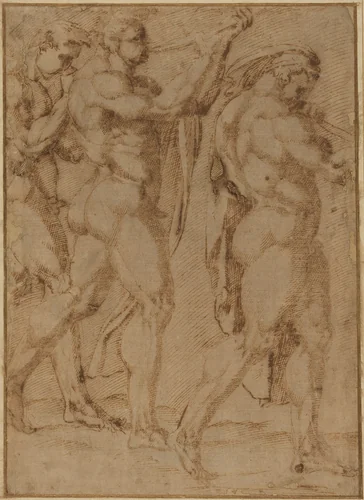
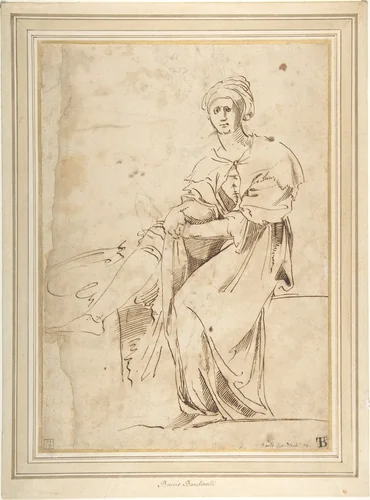
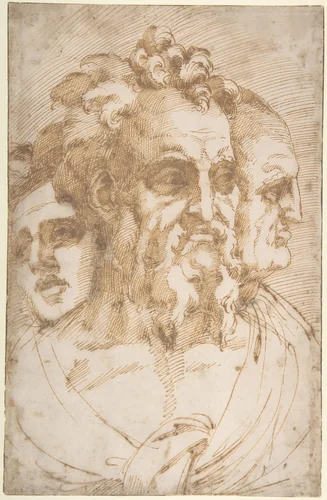
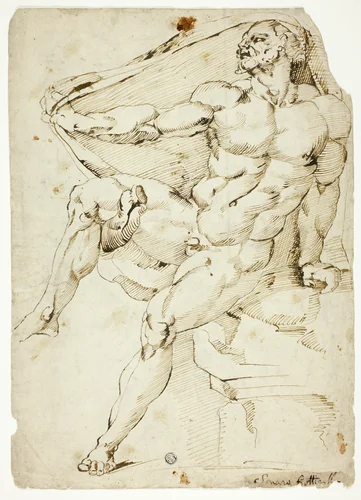
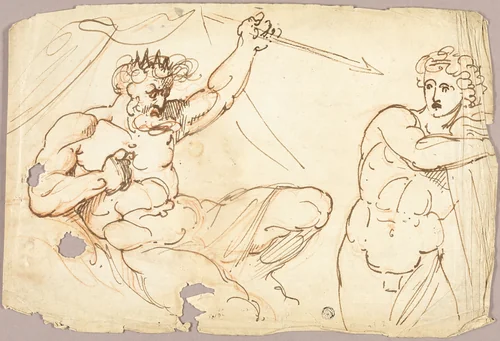
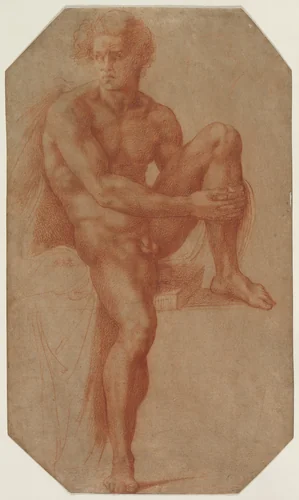
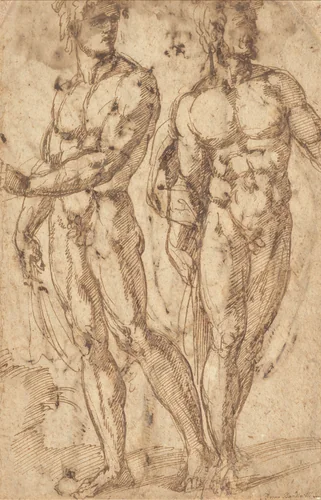
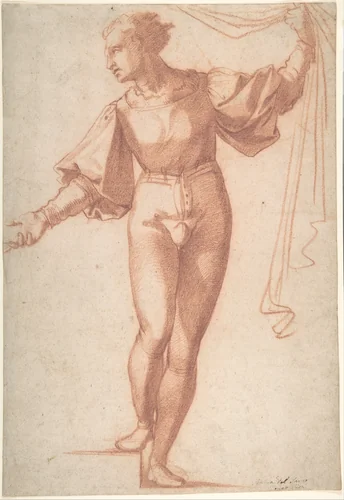
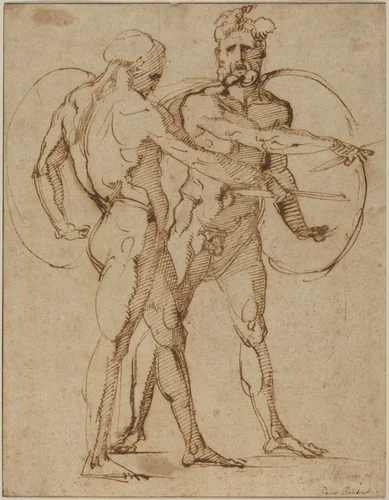
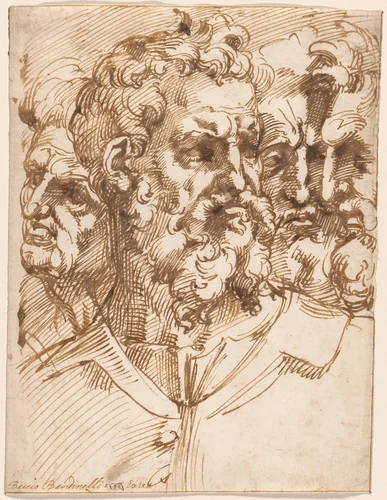
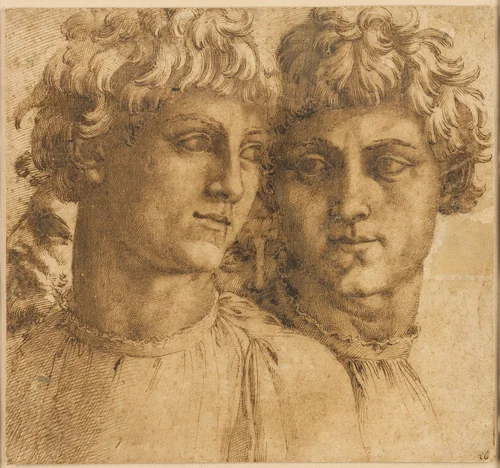
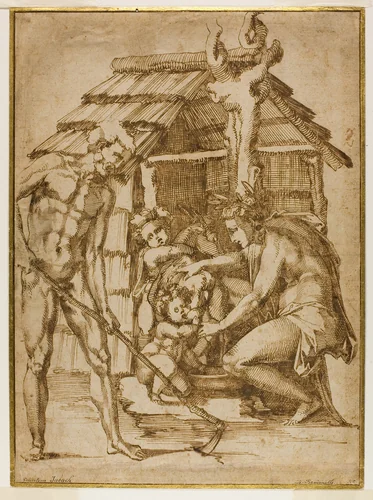
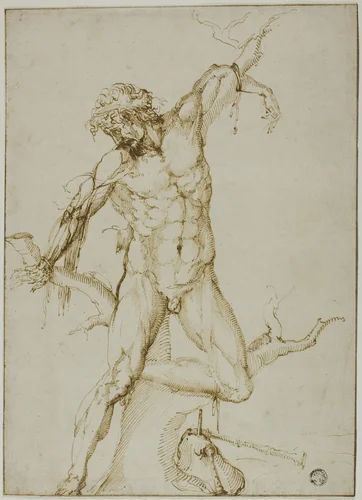
While his large-scale marble and bronze sculptures often secured his reputation among Florentine patrons, it is his work on paper that offers the clearest insight into his mastery of the human form and complex narrative composition. Bandinelli’s drawings reveal a meticulous, powerful hand, often utilizing robust contour lines and strong chiaroscuro to give his figures immense weight. Works such as Massacre of the Innocents and the intricate study Triumphal Procession demonstrate his facility with crowded, dynamic scenes, while simpler sketches like Seated Figure with Cloak and Turban showcase his rapid skill in capturing posture and drapery. He was famously competitive; his intense professional feud with Benvenuto Cellini provided rich fodder for Renaissance chroniclers, suggesting that for Bandinelli, the pursuit of artistic superiority was a matter of high public theatre, not quiet contemplation.
Bandinelli’s extensive body of artwork is now preserved in major international institutions, including the Metropolitan Museum of Art, the National Gallery of Art, and the Cleveland Museum of Art. These collections preserve essential examples of his skill as a draughtsman, allowing modern audiences access to works that often served as models for his sculptural undertakings or were collected as finished pieces in their own right. Given the artist’s longevity and influence, researchers frequently seek out Baccio Bandinelli prints and studies. Many of these important historical documents are now entering the public domain, offering opportunities for museum-quality reproductions. Individuals interested in obtaining high-quality prints of his sketches and preparatory drawings can frequently find downloadable artwork from leading repository archives, ensuring his significant contribution to Renaissance drawing remains widely accessible.
Source: Wikipedia · CC BY-SA 4.0